


Sleep is not just a luxury; it’s a fundamental pillar of health. A refreshing night’s sleep enhances cognitive function, mood, and overall vitality. Yet, many grapple with achieving this blissful state of rest. Tossing, turning, staring at the ceiling—sleepless nights are all too familiar to many. So, what can one do to ensure better slumber? Let’s delve into actionable strategies that guarantee good sleep.
Stick To A Consistent Schedule
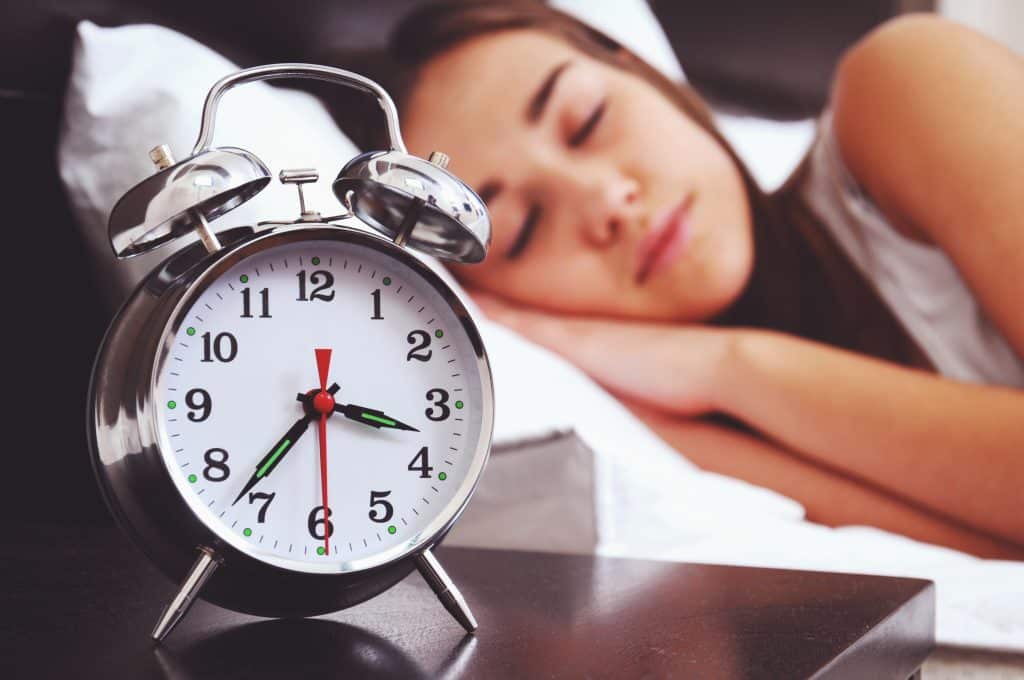
The body thrives on routine, especially when it pertains to sleep. Circadian rhythms, natural internal processes that regulate the sleep-wake cycle, function best when one maintains a consistent bedtime and wake-up time. This rhythm is not just a fancy term—it dictates how alert or sleepy one feels during various parts of the day. Therefore, adhering to a set schedule can assist in entraining these rhythms, ensuring that sleep becomes a predictable, restful event.
A fluctuating sleep schedule can disrupt this internal clock, leading to suboptimal sleep quality. Imagine the confusion and strain it causes the body when sleep timings constantly change, akin to a perpetual state of jet lag. Even the weekends shouldn’t be an exception. Keeping a steady routine on Saturday and Sunday prevents the infamous “Monday morning blues” and promotes a seamless transition into the workweek.
Limit Screen Time Before Bed

The modern world’s technological marvels come at a price. Screens from smartphones, tablets, and computers emit blue light, which has been shown to hamper melatonin production. Melatonin, often dubbed the “sleep hormone,” plays a pivotal role in signaling to the body that it’s time to wind down and rest. So, when this crucial hormone’s production is inhibited, initiating sleep becomes a challenge.
One might wonder, “Is all screen time bad?” Not necessarily. It’s the timing that’s critical. Ideally, screen exposure should be reduced or avoided entirely about an hour or two before bed. Instead, one could engage in calming activities like reading a physical book, practicing light stretching, or simply reflecting on the day. Making this a nightly habit can pave the way for a serene descent into dreamland.
Exercise During The Day

Physical activity is not only essential for a fit physique and optimal health but also for promoting sound sleep. Engaging in regular exercise can significantly enhance the quality and duration of sleep. It boosts the production of serotonin in the brain while decreasing levels of cortisol, the stress hormone. The outcome? An easier time falling asleep and a deeper, more restorative sleep throughout the night.
However, timing is crucial when incorporating exercise into a daily routine. While a morning or afternoon workout can amplify sleep benefits, engaging in strenuous activity too close to bedtime can have the opposite effect. The adrenaline and increased heart rate from a late-evening exercise session can make it challenging to relax and drift off. As a rule of thumb, aim to finish any vigorous activity at least three hours before hitting the sheets.
What to look for in a new mattress?…while keeping price down!
Thanks.