


Door Accessories and Details

Even the smallest of details can shed light on a homeowner’s preferences. Door knockers, for instance, trace their origins back to ancient times and were more than mere decorative pieces. Their designs often ward off evil or convey the household’s trade. Today, choosing a lion’s head, an ornate brass ring, or a modern geometric shape suggests the dweller’s inclination towards tradition, luxury, or contemporary design.
Similarly, though primarily functional, door handles and locks can be chosen to convey aesthetics. A vintage brass handle might imply a love for antiques, while a sleek chrome handle suggests modern tastes. Additional decorative elements like sidelights and transoms further accentuate a door’s narrative. They can brighten up an entryway, hinting at a homeowner’s desire for a bright, cheerful abode while also showcasing keen attention to architectural details.
Maintenance: What it Reflects
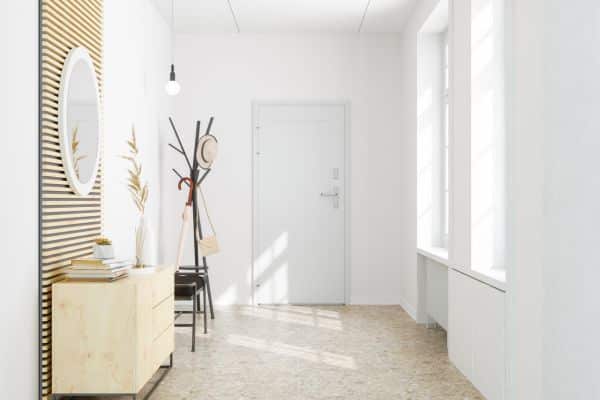
The state of a door often provides silent commentary on its homeowner’s lifestyle. A meticulously maintained door, with fresh paint and polished hardware reflects pride in homeownership and attention to detail. Such doors often belong to those who view their homes as extensions of themselves, ensuring they are always presentable and welcoming.
Conversely, a weathered door with chipped paint or rusty hinges can convey two narratives. One might be the rustic charm, where age and wear add character, and the other might be neglect or simply an overwhelmed lifestyle where certain aspects get overlooked. But regardless of the initial impression, it’s essential to remember that doors, like people, have layers of stories beneath their surfaces. And sometimes, the most unassuming facades hide the most intriguing tales.
The Role of Culture in Door Styles
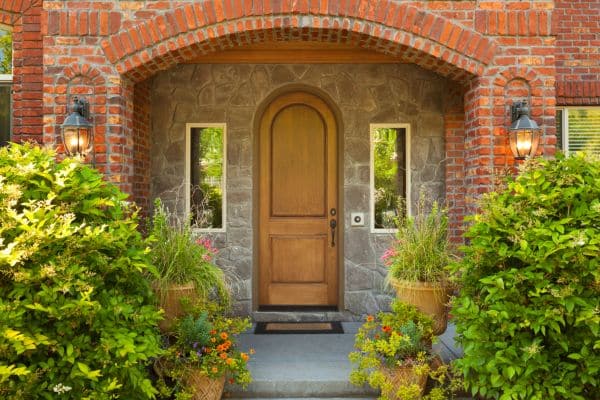
Across the globe, doors serve as cultural canvases, depicting traditions, beliefs, and societal norms. In the East, for instance, the entrance is often adorned with symbols to usher in luck, prosperity, or ward off evil. Red banners and intricate designs adorn doors to welcome good fortune during the Chinese New Year. Colorful ‘Torans’ or door hangings signify festivities and auspicious occasions in India.
In contrast, while rooted in history, Western door designs often veer towards individual expression rather than collective symbolism. Yet, with the globalization of design and the melding of cultures, it’s not uncommon to find a door in London or New York reflecting design sensibilities from Tokyo or Marrakech. This interplay of tradition, individuality, rootedness, and cosmopolitanism creates a dynamic tapestry of worldwide front door designs.
Front Door Feng Shui

Beyond aesthetics and personal choices, many homeowners consider the ancient art of Feng Shui when choosing their front doors. Feng Shui, which translates to “wind-water,” is a Chinese practice emphasizing harmony between individuals and their surroundings. An uncluttered, inviting entrance allows positive energy or ‘chi’ to flow freely into the home.
The direction a door faces, its color, and even the way it opens can impact the home’s Feng Shui. For instance, a door facing North, associated with water elements, might be painted blue or black. While this might seem esoteric to some, for many, aligning their homes with Feng Shui principles provides a sense of balance, tranquility, and an added layer of intentionality to their living spaces.
The Bottom Line
In their silent stance, front doors narrate tales of history, personal choices, cultural nuances, and even spiritual beliefs. They are more than mere entry points; they are storytellers, inviting onlookers to ponder the lives of those within. As you step back and consider your front door or those you encounter in your travels, take a moment to reflect on the myriad stories they might be silently sharing. In the intricate dance of design, color, material, and detail lies the essence of individuality and a window into the homeowner’s world.