
Frequent Oil Changes
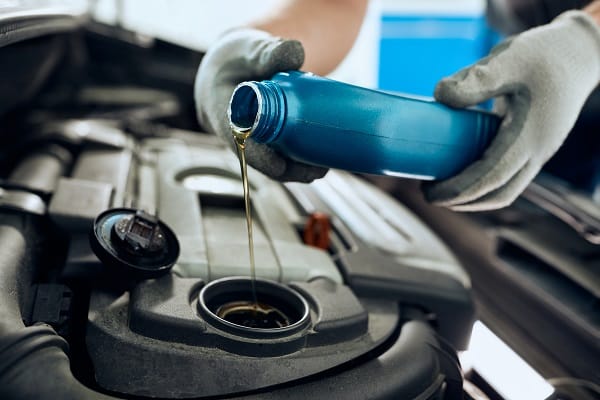
The age-old wisdom of changing your car’s oil every 3,000 miles has been ingrained in the minds of drivers for decades. While this may have been sound advice for older cars, modern engines are a different story. Thanks to advancements in both oil and engine technology, many cars can now go 5,000 to 7,500 miles between oil changes without any issues.
Consult your owner’s manual for the manufacturer’s recommended oil change interval, which is based on rigorous testing. Following this guideline not only saves you money but also is better for the environment by reducing waste. So, the next time you see that “3,000-mile” sticker on your windshield, know that it might be time for a more updated approach.
Tire Rotation Overkill

Tire rotations are another service that mechanics often recommend, usually every 6,000 to 8,000 miles. While it’s true that rotating your tires can help ensure even wear, doing it too frequently may not provide any additional benefits. The necessity of tire rotation can vary depending on your driving habits, the type of roads you frequent, and even the climate in which you live.
Instead of blindly following a one-size-fits-all recommendation, consider tailoring your tire rotation schedule to your specific needs. For instance, if you mostly drive on well-maintained roads and don’t carry heavy loads, you might find that less frequent rotations are perfectly adequate. This approach can save you both time and money.
Brake Pad Replacements

If you’ve ever been told you need new brake pads after a routine inspection, you’re not alone. Mechanics often suggest replacing brake pads even when there’s plenty of life left in them. While it’s crucial to maintain effective braking for safety reasons, prematurely replacing brake pads can be a waste of money.
Instead of relying solely on a mechanic’s recommendation, educate yourself on the signs of worn-out brake pads. These can include a squealing noise, longer stopping distances, or a warning light on your dashboard. By knowing what to look for, you can make a more informed decision and potentially save money.
Unnecessary Transmission Services

Transmission services, such as fluid changes and flushes, are often on the list of recommended maintenance. However, these services can be another area where you might be spending more than necessary. Many modern transmissions are designed to last a long time without needing these types of services.
Before agreeing to any transmission work, consult your owner’s manual for the manufacturer’s recommendations. Some cars don’t require a transmission fluid change for up to 100,000 miles. Knowing the actual service intervals for your specific vehicle can help you avoid unnecessary costs and keep your car running smoothly.
Don’t Let Your Wallet Run on Empty!
You have successfully maneuvered through the intricate labyrinth of frequently suggested yet often unnecessary auto repairs. From debunking the myth of engine flushes to questioning the need for premium fuel, the aim has been to make you a more informed car owner. Knowledge is power, and in this case, it’s also money in your pocket. Share this article with friends and family, and help them steer clear of these costly and unnecessary car repairs. Together, let’s put the brakes on wasting money!

Great advice…your car is your lifeline…always take care of it…as it takes care of you!