Utility costs are rising, making it more important than ever to find ways to cut down on electricity, water, and heating expenses. Many households waste energy without realizing it, leading to higher bills and unnecessary environmental impact. Fortunately, modern technology offers innovative solutions to help reduce consumption while maintaining comfort and convenience. From smart thermostats that regulate temperature efficiently to LED bulbs that use significantly less power, investing in the right devices can lead to long-term savings. This guide explores seven essential devices that can help you save money on utilities, making homes more energy-efficient without requiring drastic lifestyle changes.
Contents
- 1 Smart Thermostats: Optimize Heating and Cooling
- 2 LED Light Bulbs: Efficient Lighting Solutions
- 3 Smart Power Strips: Eliminate Phantom Energy Use
- 4 Low-Flow Showerheads and Faucets: Reduce Water Bills
- 5 Smart Water Leak Detectors: Prevent Costly Damage
- 6 Energy-Efficient Smart Appliances: Reduce Overall Consumption
- 7 Maximize Savings With Smart Utility Solutions
Smart Thermostats: Optimize Heating and Cooling

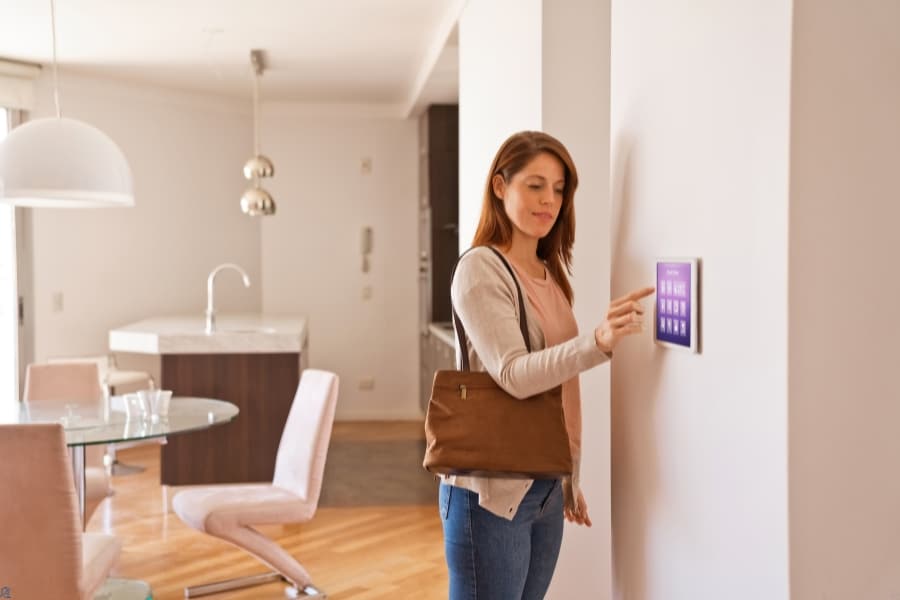
Heating and cooling account for a significant portion of household energy costs, but smart thermostats provide a simple way to reduce these expenses. Unlike traditional thermostats, smart versions learn a household’s temperature preferences and automatically adjust settings to improve efficiency. Many models use sensors and geofencing to detect when a home is empty, lowering energy usage during unoccupied hours. These devices also allow remote control via smartphone apps, enabling homeowners to make real-time adjustments and monitor energy consumption.
The benefits of installing a smart thermostat extend beyond convenience; they directly translate into substantial cost savings. According to the U.S. Department of Energy, properly using a programmable thermostat can reduce heating and cooling costs by up to 10% annually. Brands like Nest, Ecobee, and Honeywell offer models with energy usage reports, providing insights into consumption patterns and potential savings. Many utility companies also provide rebates for purchasing energy-efficient thermostats, making the initial investment more affordable. By optimizing heating and cooling schedules, smart thermostats ensure homes stay comfortable while lowering energy bills.
LED Light Bulbs: Efficient Lighting Solutions
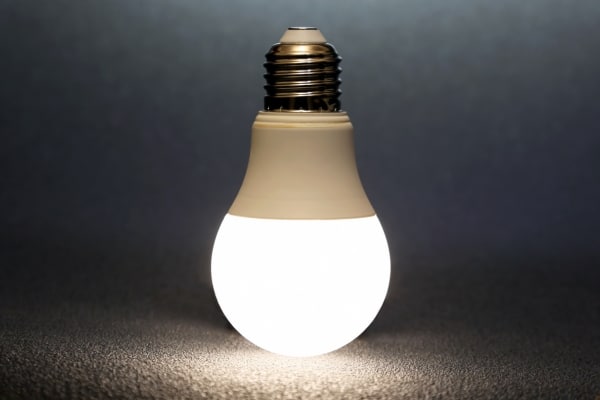
Lighting accounts for a significant portion of electricity consumption, but switching to LED bulbs can dramatically lower energy use. Unlike traditional incandescent bulbs, LED lights consume up to 80% less energy while lasting significantly longer. This extended lifespan—often 10 to 25 times that of incandescent bulbs—reduces replacement costs, making LED lighting an affordable and sustainable choice. Smart LED bulbs take efficiency a step further by allowing users to adjust brightness, set schedules, and even change colors via smartphone apps.
The financial savings from LED bulbs add up quickly, especially in homes with multiple light sources. Replacing all traditional bulbs with LEDs can reduce annual electricity bills by hundreds of dollars, depending on household size and usage. Many utility companies offer rebates or discounts for switching to LED lighting, further increasing cost-effectiveness. Additionally, LED technology produces less heat, reducing the strain on air conditioning systems during warmer months. By making a simple switch, homeowners can enjoy lower energy bills and contribute to environmental sustainability.
Smart Power Strips: Eliminate Phantom Energy Use

Many electronic devices continue to draw power even when turned off, leading to what is known as phantom energy loss. This hidden electricity drain can account for up to 10% of a household’s total energy consumption, needlessly increasing utility bills. Smart power strips address this issue by detecting inactive devices and cutting power to them automatically. Unlike traditional power strips, these smart versions prevent standby energy loss, ensuring that unused electronics do not consume electricity when not in use.
Smart power strips offer multiple energy-saving features, including scheduled shut-offs, remote control via smartphone apps, and motion detection. For example, entertainment centers, gaming consoles, and office equipment are common culprits of phantom energy consumption, making these strips especially useful in such areas. Studies have shown that replacing regular power strips with smart versions can save homeowners up to $200 per year on electricity bills. By incorporating these devices into daily routines, users can effortlessly reduce energy waste and lower their overall utility costs.
Low-Flow Showerheads and Faucets: Reduce Water Bills
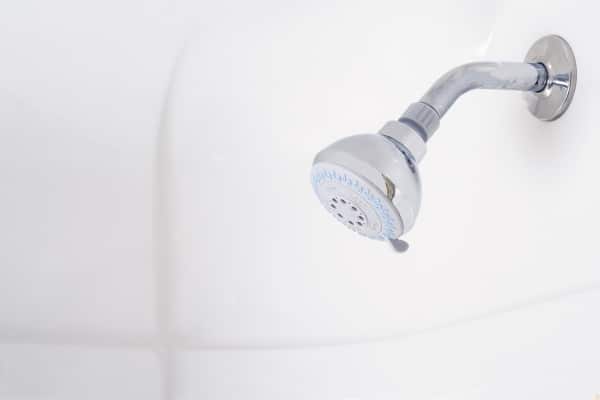
Water consumption is another major contributor to high utility bills, but low-flow showerheads and faucets can help minimize waste without sacrificing performance. Traditional showerheads use around 2.5 gallons per minute (GPM), whereas low-flow models reduce this to 1.5 GPM or less. This small adjustment can save thousands of gallons of water per year, significantly lowering both water and energy costs associated with heating it. Aerating and laminar-flow showerheads are popular options that maintain strong water pressure while using less water per minute.
Installing water-efficient faucets and showerheads is a cost-effective way to conserve resources and reduce monthly expenses. Many models are designed to be easily installed without professional assistance, making them an accessible upgrade for any household. According to the Environmental Protection Agency’s WaterSense program, switching to low-flow fixtures can reduce water usage by up to 30%. Some utility companies even offer rebates for water-saving devices, further enhancing their cost-saving benefits. By making this simple change, households can cut down on unnecessary water waste and enjoy lower utility bills year-round.
Smart Water Leak Detectors: Prevent Costly Damage
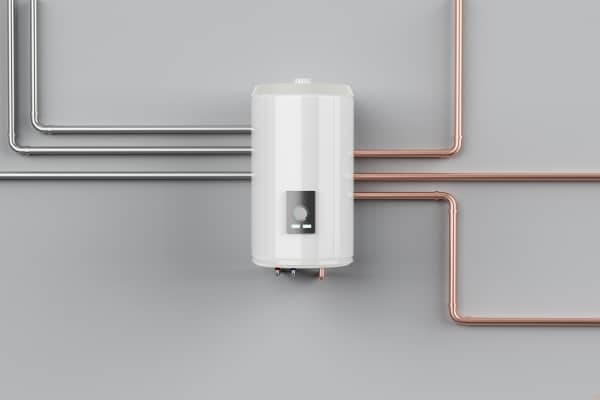
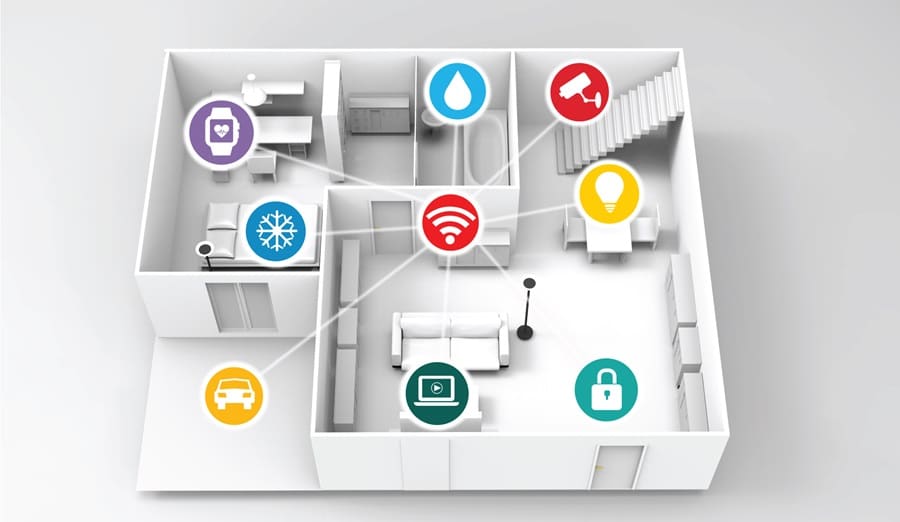
Water leaks often go unnoticed until they result in significant damage and costly repairs, but smart water leak detectors provide an early warning system. These small devices use sensors to detect moisture and send real-time alerts to a homeowner’s smartphone, helping to prevent wasted water and potential structural damage. Some models even integrate with smart home systems, allowing users to shut off the main water supply remotely in case of a major leak. Placing these detectors in high-risk areas like under sinks, near water heaters, and around washing machines can prevent unnecessary utility costs.
Aside from saving money on water bills, smart leak detectors can prevent expensive damage to floors, walls, and appliances. A slow, undetected leak can waste hundreds of gallons of water per month, driving up costs and causing mold or structural issues. With early detection, homeowners can address leaks before they become a major financial burden. Many insurance companies also offer discounts on homeowner’s policies for installing smart water sensors, providing another financial incentive for this investment. By taking proactive measures, households can reduce waste and avoid the high costs associated with water damage.
Energy-Efficient Smart Appliances: Reduce Overall Consumption

Older appliances are often inefficient, using excessive electricity and water compared to modern energy-efficient models. Smart appliances, especially those with ENERGY STAR certification, are designed to consume less energy while maintaining high performance. Refrigerators, washing machines, dishwashers, and dryers now come with features that adjust energy use based on load size and time of day. Some smart models also allow users to monitor consumption, receive maintenance alerts, and schedule usage during off-peak hours to lower electricity bills.
The long-term savings from upgrading to energy-efficient appliances can outweigh the initial investment. For example, an ENERGY STAR-certified refrigerator can use 15% less energy than non-certified models, while smart washing machines can reduce water consumption by up to 40%. Many local and federal incentive programs provide rebates for purchasing energy-efficient appliances, making them a more affordable upgrade. Over time, these appliances not only help lower utility bills but also reduce overall energy waste, benefiting both homeowners and the environment.
Maximize Savings With Smart Utility Solutions
Investing in energy-efficient devices is one of the most effective ways to lower utility bills without compromising comfort or convenience. Smart thermostats, LED bulbs, and power strips help reduce electricity waste, while low-flow fixtures and leak detectors conserve water and prevent costly damage. Upgrading to energy-efficient appliances further cuts down on long-term expenses, making a noticeable impact on monthly bills. Many of these solutions also qualify for rebates, providing additional financial incentives. By integrating these cost-saving technologies, homeowners can take control of their energy consumption, reduce waste, and enjoy a more efficient, budget-friendly household for years to come.