
Contents
Tightening Loose Cabinet Hinges
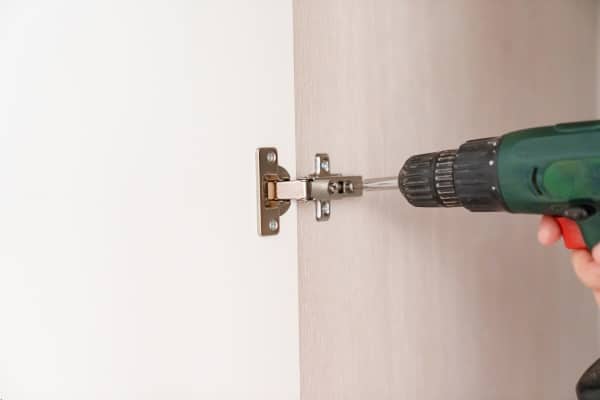
Loose cabinet doors are a common issue in kitchens and bathrooms where cabinets are frequently used. To tighten them, simply open the cabinet door, locate the hinges, and tighten the screws with a screwdriver. If the screw holes are stripped, a quick fix is to remove the screw, fill the hole with a small wooden dowel or toothpicks dipped in wood glue, and then reinsert the screw.
If the hinges themselves are worn out, they may need to be replaced. However, tightening the existing screws often solves the problem quickly and prolongs the life of your cabinets without needing a complete replacement.
Replacing Weatherstripping for Windows and Doors

Weatherstripping can wear out over time, causing drafts and increasing your heating and cooling costs. To replace it, first remove the old weatherstripping. Clean the surfaces thoroughly to ensure the new weatherstripping adheres properly. Measure the length you need, cut the new stripping, and press it into place. Make sure it creates a tight seal to effectively insulate your home.
This simple maintenance can improve energy efficiency significantly, keeping your home comfortable while reducing utility bills. It’s a quick fix that can have long-term benefits for both your wallet and the environment.
Stopping Drippy Faucets

A dripping faucet can be more than just annoying; it can also waste a lot of water over time. Fixing a leaky faucet usually involves replacing the washer or o-ring inside the handle. First, shut off the water supply to the faucet. Remove the handle by loosening the screw on top or at the side. Once the handle is off, replace the old washer with a new one that matches in size.
Reassembling the faucet and turning the water back on should resolve the drip. If it continues, the issue might be more complex, and parts of the faucet itself may need replacing. However, this simple washer swap fixes most drips.
Restoring Power from Tripped Circuit Breakers
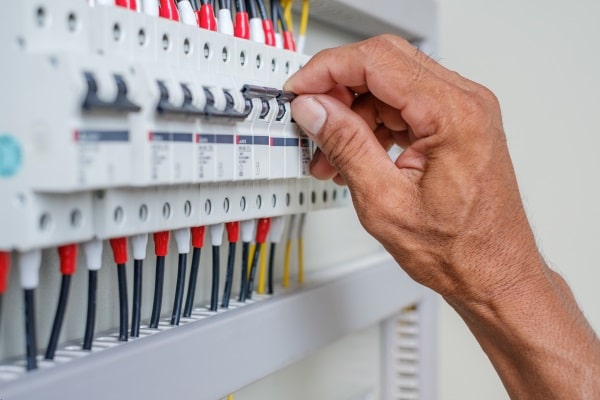
Circuit breakers are designed to protect your home from electrical overloads and short circuits by tripping off power to the affected area. When a breaker trips, it’s crucial to first understand what caused it, such as an overloaded circuit or a faulty appliance. To reset a tripped breaker, go to your electrical panel, usually located in a basement or utility room.
Identify the tripped breaker, which will be in the ‘off’ position or somewhere in between ‘on’ and ‘off’. Before flipping it back on, disconnect or turn off the appliances that caused the overload. Then reset the breaker by switching it fully to the ‘off’ position and then back to ‘on’. This should restore power. If the breaker trips again, it may indicate a more serious issue, and it’s advisable to consult a professional electrician.
Empowering Homeowners Through Simple Repairs
Knowing how to perform these seven quick fixes empowers homeowners to take control of their home maintenance, ensuring that small problems don’t turn into big expenses. Regular upkeep not only preserves the condition of your home but also instills a sense of pride and accomplishment. With these skills, you can keep your home running smoothly and efficiently, ready to tackle any challenge that comes your way.