Open Floor Plans

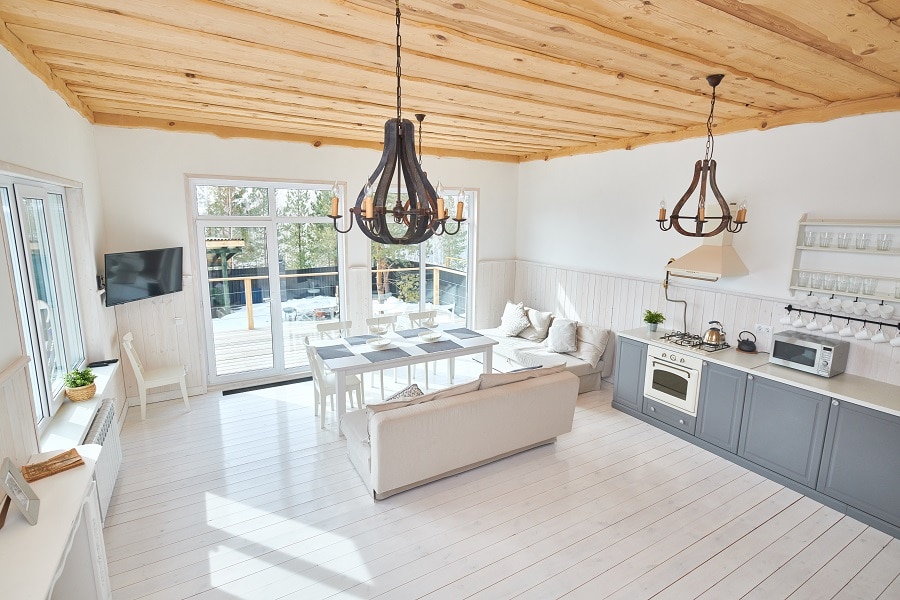
Open floor plans have revolutionized architectural design, offering homes a sense of spaciousness and fluidity. By removing unnecessary walls and barriers, spaces become more versatile, allowing for better interaction and movement. Natural light can permeate more freely, illuminating interiors and creating an inviting ambiance. Such layouts are not only aesthetically pleasing but also cater to a modern lifestyle where the boundaries between dining, cooking, and lounging are more fluid than ever before.
While the benefits of open floor plans are numerous, careful consideration must be given to ensure that the space doesn’t feel too vast or impersonal. Furniture placement, room dividers, and strategic use of colors can help define areas within the larger space. Moreover, incorporating elements like area rugs, pendant lighting, or even unique ceiling designs can further demarcate spaces, ensuring that each section retains its distinct identity while still benefiting from the openness.
Eco-friendly Improvements

The environment and sustainability have become pivotal considerations in modern home improvement. Green building materials, such as bamboo flooring or recycled glass countertops, are gaining popularity for their low impact on the environment and distinct aesthetic appeal. Additionally, improved insulation methods, including green roofs and wall insulation, can significantly reduce energy consumption, helping homes stay cooler in the summer and warmer in the winter without over-relying on heating or cooling systems.
Water conservation has emerged as a central theme in eco-friendly home improvements. Introducing solutions like rainwater harvesting systems can provide a sustainable water source for gardens and lawns. In addition, graywater recycling systems, which reuse water from baths, sinks, and washing machines for irrigation or flushing toilets, have become a practical way to reduce water consumption. Both these methods not only contribute to a more sustainable home but also result in considerable savings in utility bills.
Advanced Security Features

Safety and security have evolved into paramount concerns in contemporary homes, leading to the adoption of sophisticated systems and features. Modern security encompasses more than just alarms; there are now smart doorbells with cameras, surveillance systems with remote access, and biometric locks ensuring an added layer of protection. These advancements not only deter potential threats but also offer homeowners peace of mind, knowing that their sanctuary remains secure.
The realm of home security is continually expanding, leveraging technological advancements to offer even more robust protection measures. For instance, motion sensors equipped with artificial intelligence can differentiate between a family member and a potential intruder, reducing false alarms. Similarly, integrated security platforms allow homeowners to monitor various devices—like cameras, locks, and sensors—through a single app, ensuring timely responses to any potential threats.
The Bottom Line
Modernizing a home is a journey that fuses functionality with aesthetics, and comfort with innovation. In a world where technology and design trends evolve rapidly, making strategic upgrades can ensure a living space that’s not just contemporary but also timeless. Embracing smart systems, design philosophies, and security features positions a home at the forefront of modern living. As the desire for sustainability grows, integrating eco-friendly improvements further enhances a residence’s value, both in terms of quality of life and environmental impact. The art of modernization lies in balancing the novel with the practical, resulting in a home that truly feels like a sanctuary for today and tomorrow.
