
Mosquito bites are a universal problem, inflicting itchiness, redness, and general discomfort upon people of all ages. They’re not just a summer nuisance; for some, they can trigger more severe allergic reactions or even transmit diseases. Given the far-reaching implications of mosquito bites, it’s crucial to understand how to deal with them effectively. This article aims to cover everything one needs to know about alleviating the itch and preventing future bites. Readers will find insights into why mosquito bites itch, immediate and long-term solutions, prevention methods, and the latest technologies for relief.
Why Do Mosquito Bites Itch?
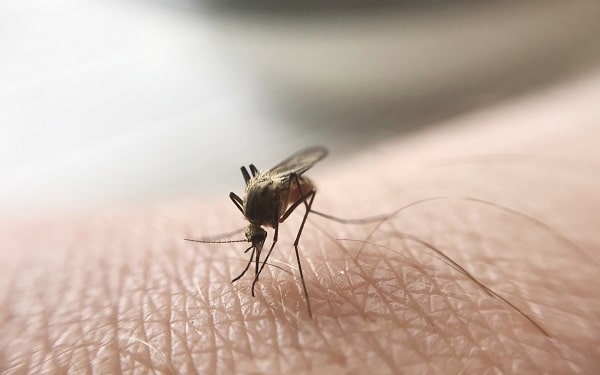
When a mosquito bites, it injects saliva into the human skin to facilitate blood-sucking. The saliva contains proteins that trigger an immune response, causing redness and itching. Understanding this biological interaction can explain why some remedies are more effective.
Many people believe that it’s the mosquito’s bite itself that causes the itch. In reality, the body’s immune response to the proteins in the mosquito’s saliva results in itching and swelling. Dispelling this misconception can help people target the root cause effectively rather than just the symptoms.
The Immediate Solutions

Immediate relief from mosquito bites often involves over-the-counter remedies. One of the most effective immediate solutions is applying a cold compress to the affected area. The cold temperature can numb the skin and constrict blood vessels, reducing itchiness and swelling.
Anti-itch creams such as hydrocortisone or calamine lotion are also popular choices. These creams contain ingredients that counteract the chemicals released during the body’s immune response. Additionally, oral antihistamines like Benadryl can offer relief by blocking the histamines that cause itching. However, they may induce drowsiness and are not suitable for everyone.
Home Remedies Worth Trying

For those interested in natural solutions, several home remedies can be effective. Aloe Vera is a popular choice, offering both anti-inflammatory and antibacterial properties. The gel cools the skin, reducing itching and speeding up healing.
Apple cider vinegar has been touted for its many health benefits, including relief from mosquito bites. Its natural acidity helps to neutralize the itch, but users should dilute it with water to avoid skin irritation. Tea tree oil is another option, renowned for its antiseptic and anti-inflammatory properties, but it should be used cautiously, as it can cause skin irritation in some people.
What Not to Do

Scratching a mosquito bite may offer momentary relief but can worsen the itch and lead to infection. The skin under the nails is a breeding ground for bacteria, which can be transferred to the open wound, complicating the situation further.
Using heat to alleviate itchiness is another common mistake. While it might seem counterintuitive, heat can exacerbate the problem by causing the histamines to disperse more rapidly, increasing inflammation and redness. Another misguided remedy includes applying substances like alcohol or nail polish, which can irritate the skin and prolong healing.
I use deodorant and it stops the itching.