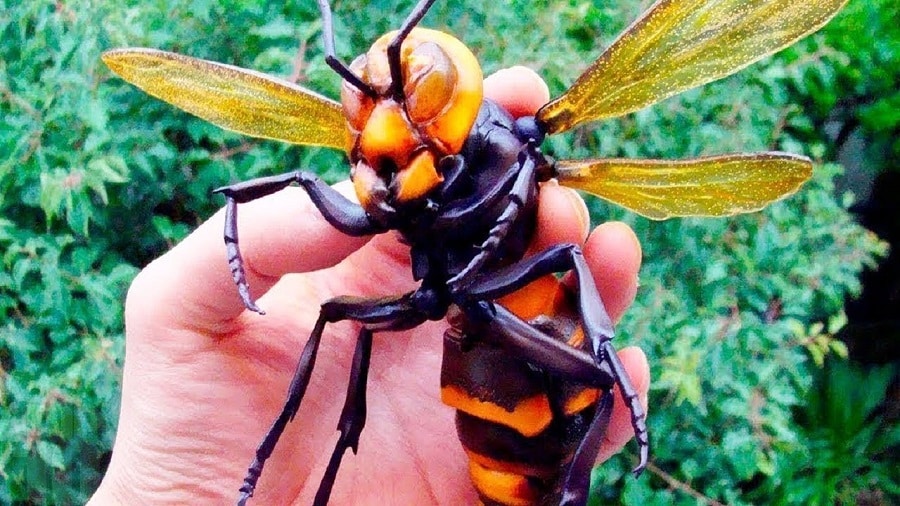
Dangerous bug encounters can be unsettling and sometimes even life-threatening due to disease transmission or allergic reactions. Whether you are an outdoor enthusiast, a frequent traveler, or you reside in a bug-prone area, it’s crucial to know how to avoid these unwanted encounters. This article explores the necessary precautions, preparations, and responses to help you avoid harmful interactions with bugs, ensure your safety, and enrich your understanding of these creatures. Let’s embark on this enlightening journey.
Understanding the Risks
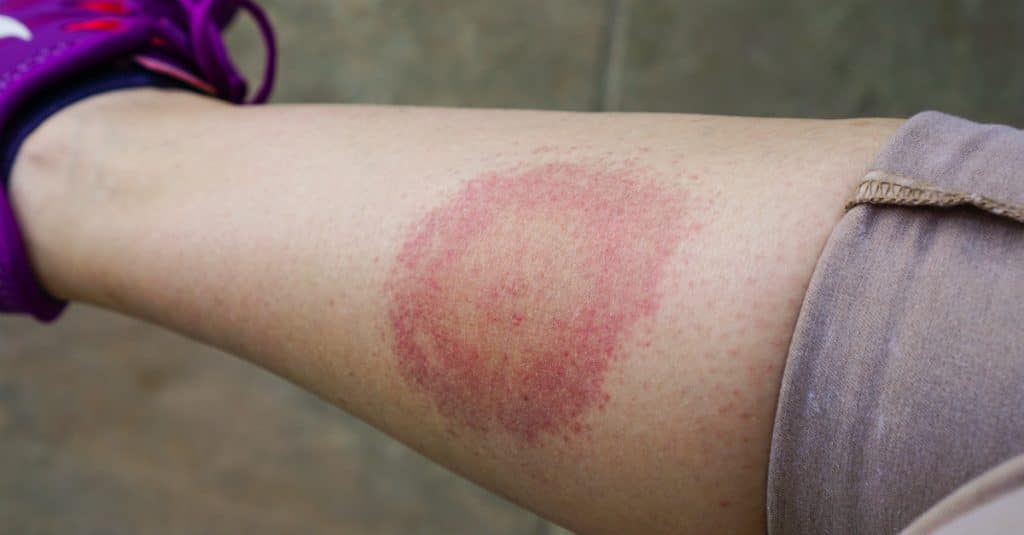
Bug encounters can bring a host of dangers, some subtle yet others immediate and severe. Bugs like mosquitoes, ticks, and fleas can transmit diseases to humans, including malaria, Lyme disease, and Zika virus. The world over, millions fall sick every year due to these tiny carriers, underscoring the significance of understanding and avoiding such encounters.
Additionally, some individuals may experience allergic reactions to bug bites or stings. For instance, a bee or wasp sting might lead to anaphylaxis in those allergic to their venom. Even harmless insects, such as ants, can cause distressing symptoms, like itching and swelling, impacting comfort and well-being. The key to dealing with these threats begins with identification.
Identifying Dangerous Bugs
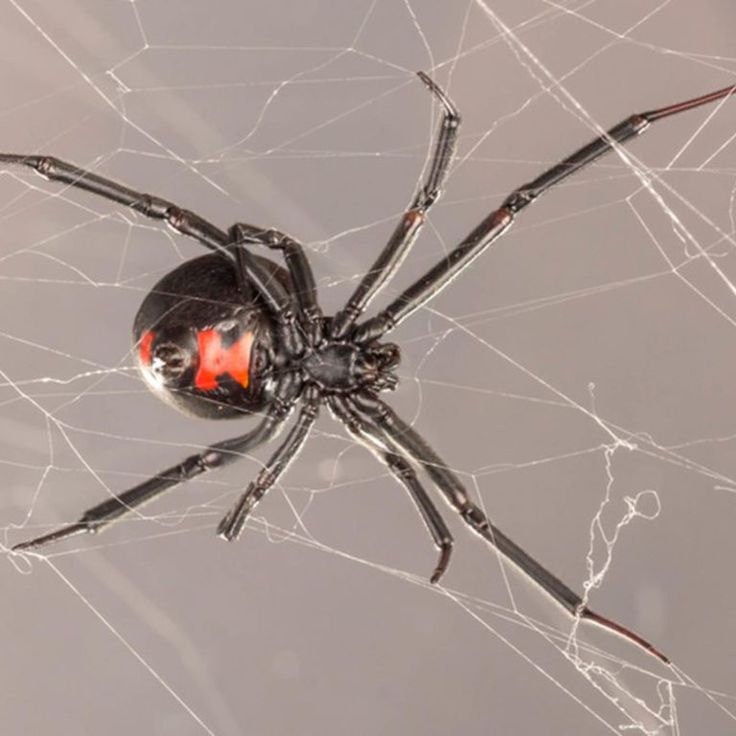
A sound knowledge of the bugs in your area or travel destination can serve as your first line of defense. From the tiny yet lethal Anopheles mosquito to the intimidating and venomous Black Widow spider, different regions host a variety of potentially dangerous bugs. For instance, in North America, ticks are known to carry Lyme disease, while in sub-Saharan Africa, Anopheles mosquitoes are responsible for malaria transmission.
Each bug has unique identifiers like color, size, and markings. Familiarize yourself with these identifiers to quickly distinguish between harmful and harmless creatures. For instance, the Redback spider is recognized by its black body and prominent red stripe. Learning these details helps you avoid dangerous encounters and ensures that harmless bugs can coexist without unnecessary disturbance.
Preparation is Key
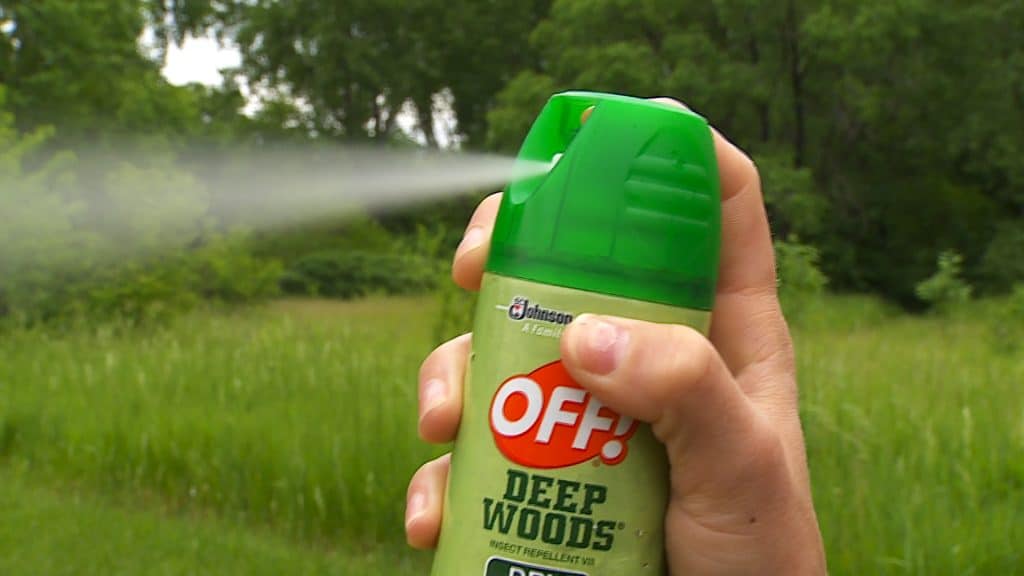
Before stepping out into bug-prone environments, the right preparation can substantially reduce the likelihood of dangerous encounters. Dressing appropriately is crucial. Consider wearing long-sleeved shirts, long pants, socks, and closed shoes when venturing into wooded areas or during peak bug activity times. Not only does this serve as a physical barrier against bugs, but light-colored clothing also makes it easier to spot them.
Equally important is the use of bug repellents. Insect repellents containing DEET or Picaridin are generally effective against a wide range of bugs. For those preferring natural alternatives, oil of lemon eucalyptus or IR3535-based repellents may be considered. Apply the repellent as per the manufacturer’s instructions, and remember to reapply as needed, especially after swimming or excessive sweating.
Safe Camping and Hiking Practices

When planning a camping trip or hike, selecting the right location can significantly influence your exposure to dangerous bugs. Many bugs, such as ticks and mosquitoes, are prevalent in heavily wooded and grassy areas. Aim to set up camp away from these habitats. At the same time, avoid areas near standing water, as mosquitoes breed in such environments, raising the likelihood of encounters.
Food storage and waste disposal are other critical areas to pay attention to while camping or hiking. Bugs are attracted to food and garbage, so proper handling of these can drastically reduce the risk of bug encounters. Store food in airtight containers and dispose of waste responsibly, ensuring all trash bags are well-sealed before disposing of them in designated trash bins.