
Have you ever wondered why some people keep an excessive amount of items, to the point where it affects their daily life and living conditions? This behavior, known as hoarding, is more common and impactful than one might think. Indeed, hoarding disorder is a recognized mental health condition that affects approximately 2-6% of the population, according to the American Psychiatric Association. This article delves into the psychology behind hoarding behavior, exploring its causes, impacts, and potential treatment approaches.
Definition of Hoarding Behavior
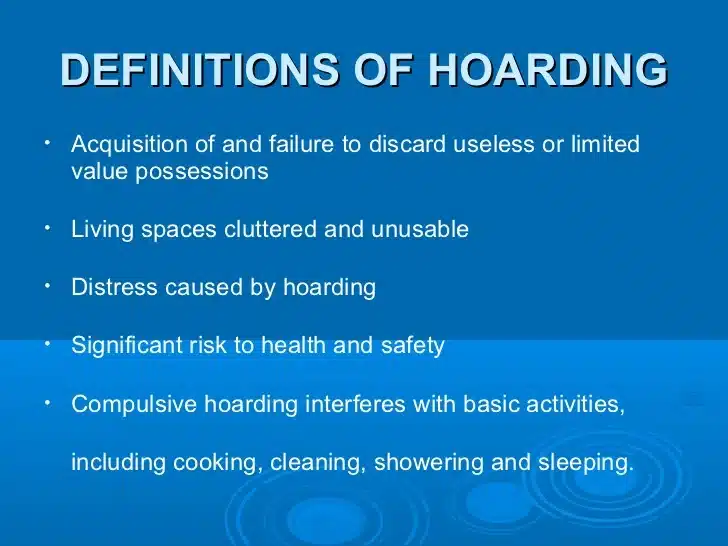
Hoarding disorder is characterized by the persistent difficulty in parting with possessions due to a perceived need to save them. Individuals with this disorder experience distress at the thought of getting rid of their items, leading to an accumulation that can disrupt their living space and daily activities. The possessions are often of little value and could range from newspapers, plastic bags, and photographs to animals and garbage. It’s important to note that hoarding isn’t merely a matter of disorganization or laziness. It is a mental health disorder with specific symptoms and impacts, distinct from other conditions, such as obsessive-compulsive disorder (OCD), with which it was once categorized.
Hoarding behavior can range from mild to severe. In some cases, it might not have much impact on a person’s life, while in severe cases, it can put one’s health at risk. The cluttered living environment can become so severe that it affects the functionality of the home, leading to risks like fire hazards, falling, poor sanitation, and even eviction. The American Psychiatric Association recognizes hoarding disorder as a distinct condition in its Diagnostic and Statistical Manual of Mental Disorders (DSM-5), underlining its significance in the realm of mental health.
The Difference Between Collecting and Hoarding

One might wonder what separates hoarding from collecting, as both involve the accumulation of items. Collecting is a common hobby that many individuals enjoy. Whether stamps, coins, vinyl records, or antiques, collectors derive pleasure and satisfaction from acquiring and organizing their collections. They typically take pride in their items, display them for others to see, and maintain them properly.
In contrast, individuals who hoard often keep their items hidden due to embarrassment or fear of judgment. They usually lack the ability to organize their possessions effectively, leading to cluttered living conditions. The items they hoard are often of little value to others and are typically kept in a disorganized manner, often rendering their living spaces unusable. While collectors acquire items based on specific criteria and derive pleasure from their collection, those who hoard save items indiscriminately, often driven by a fear of loss or wastage.
Psychological Theories Behind Hoarding

Several psychological theories attempt to explain why hoarding behavior occurs. One such theory revolves around attachment – where individuals form strong emotional bonds with their possessions. This is often due to an individual associating specific items with important memories or events or viewing them as an extension of their identity. Another theory suggests that hoarding might be a maladaptive coping strategy for managing negative emotions or trauma. The act of accumulating items might provide temporary relief from feelings of anxiety or sadness.
A cognitive-behavioral model of hoarding proposes that difficulties in processing information, beliefs about possessions, and emotional attachment to items, combined with avoidant behavior, contribute to hoarding. According to this theory, individuals with hoarding disorder have difficulties deciding what to keep and discard, leading to the accumulation of items. Understanding these theories is crucial in helping us empathize with individuals who hoard and offer effective support and treatment.
Role of Anxiety and Fear in Hoarding

Anxiety and fear play significant roles in hoarding behavior. For many people who hoard, the thought of discarding items can cause intense distress and anxiety. This fear is often related to potential regret, a sense of loss, or a fear of needing the item in the future. As a result, individuals may keep items “just in case,” leading to the accumulation of possessions that serve no practical purpose or have little value.
In addition to generalized anxiety, some individuals may also suffer from specific phobias that contribute to their hoarding behavior. For instance, a person might hoard food or other supplies due to an intense fear of scarcity or deprivation, even when there is no objective evidence of such a threat. Understanding the role of fear and anxiety in hoarding can provide valuable insights into the nature of this disorder and inform more effective treatment strategies.
Attachment to Possessions

The emotional attachment to possessions is another significant aspect of hoarding behavior. Individuals who hoard often assign strong emotional values to their belongings, even those that may seem worthless to others. They may see these items as extensions of themselves or as representations of their memories, experiences, or aspirations. This emotional attachment can make it extremely difficult for them to part with their possessions.