
Pests are a common problem that can wreak havoc in gardens and homes. From aphids munching on your roses to ants invading your kitchen, pests can be more than just a nuisance; they can be a real threat to your property and well-being. Traditional pest control methods often involve chemical pesticides, which come with problems, including potential environmental harm and health risks to humans and pets. This article aims to provide a comprehensive guide on the best organic methods for pest control, offering a safer and more sustainable alternative.
Why Organic Pest Control?

Environmental Benefits
Organic pest control methods are designed to be less harmful to the environment. Unlike chemical pesticides, which can contaminate soil and water sources, organic methods are biodegradable and less likely to contribute to pollution. This is crucial for maintaining the health of ecosystems, as chemical pesticides can harm non-target plants and animals, disrupting the balance of nature.
Health Benefits
In addition to being environmentally friendly, organic pest control methods are generally safer for humans and pets. Chemical pesticides can lead to various health issues, including skin irritation, respiratory problems, and long-term conditions like cancer. Organic methods, on the other hand, use natural ingredients that are less likely to cause harm, making them a preferable option for those concerned about health.
Types of Organic Pest Control
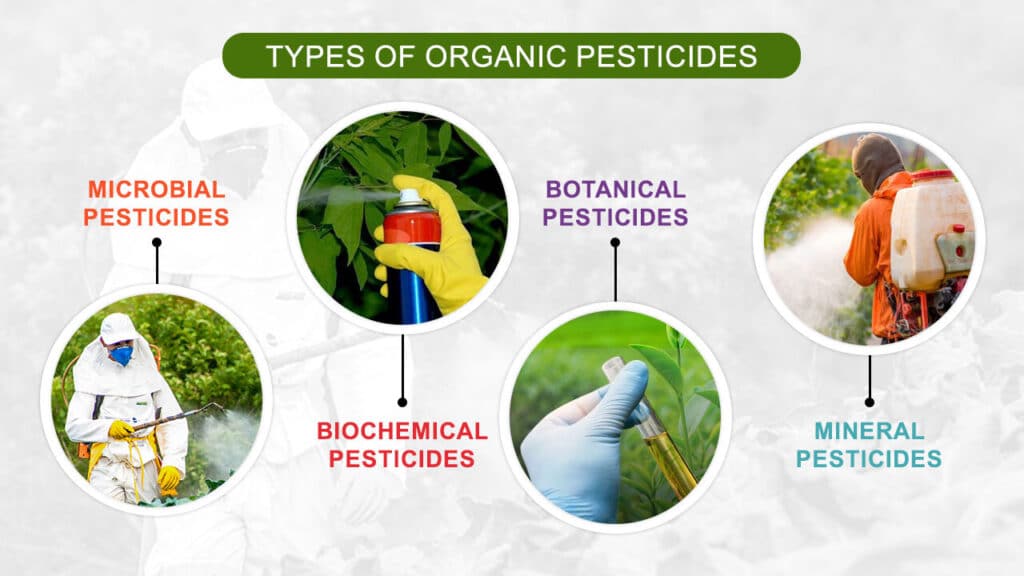
Biological Control
Biological control involves using natural predators or parasites to manage pest populations. For example, ladybugs can be introduced into gardens to control aphid populations, as they are natural predators of these pests. Similarly, nematodes can target and eliminate soil-dwelling pests like grubs and weevils. This method is effective and works in harmony with nature, enhancing biodiversity.
Mechanical Control
Mechanical control refers to using physical barriers or traps to manage pests. For instance, fly swatters, mouse traps, and insect nets are all examples of mechanical control. Another effective method is using copper tape around the base of plants, which acts as a natural barrier against slugs and snails. These methods are straightforward to implement and do not involve using chemicals, making them safe for the environment and humans.
Cultural Control
Cultural control involves changing the environment or practices to make it less hospitable for pests. This can include practices like crop rotation, which disrupts the life cycle of soil-borne pests, or proper sanitation to eliminate breeding grounds for pests like flies and rodents. Another example is companion planting, where certain plants are grown together to deter pests naturally. For instance, planting basil next to tomatoes can help repel tomato hornworms.
Popular Organic Pest Control Products
Neem Oil
Neem oil is a versatile and effective organic pest control product. Extracted from the seeds of the neem tree, this oil acts as an insect repellent and interferes with the life cycle of pests, making it difficult for them to grow and reproduce. It is effective against various pests, including aphids, mites, and whiteflies, and is safe for indoor and outdoor plants.
Diatomaceous Earth
Diatomaceous earth is a naturally occurring, soft, siliceous sedimentary rock that easily crumbles into a fine white powder. It dehydrates insects upon contact, effectively killing them without harmful chemicals. It is particularly effective against crawling insects like ants and cockroaches and can be safely used in areas where pets and children frequent.
Insecticidal Soaps
Insecticidal soaps are another popular choice for organic pest control. These soaps contain fatty acids that break down the outer shell of insects, leading to dehydration and death. They are effective against various soft-bodied insects like aphids and spider mites. However, they are less effective against hard-shelled or winged insects. Applying insecticidal soaps directly to the pests is important, as they only work upon contact.
Vinegar Solutions
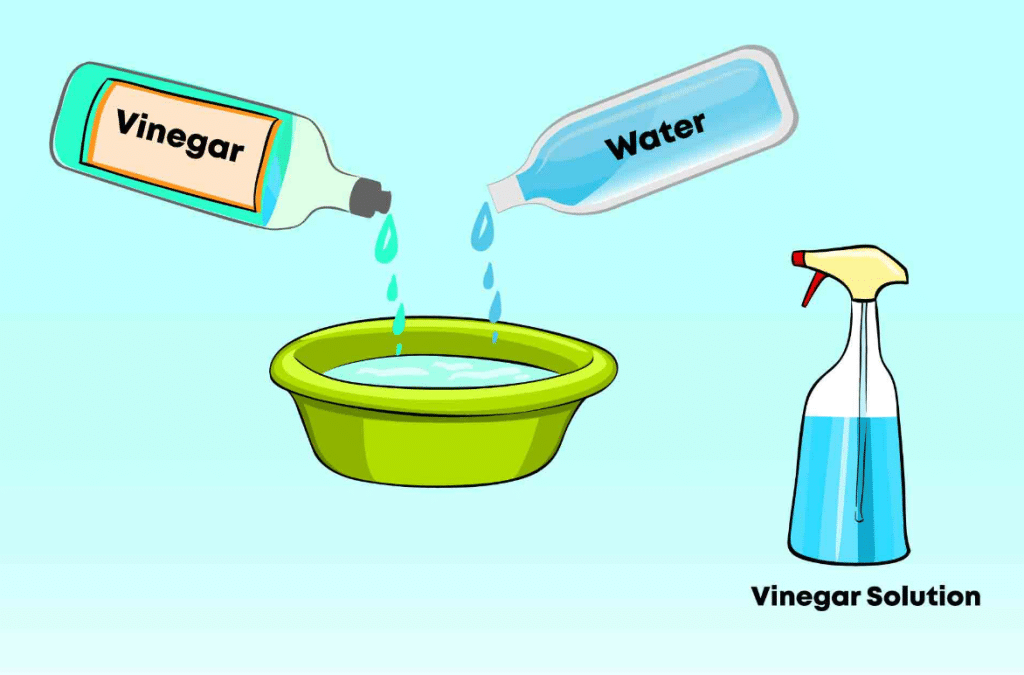
Vinegar is a household staple that can also be an effective organic pest control agent. A simple vinegar and water solution can be sprayed on surfaces to deter ants and other crawling insects. A stronger concentration can be used for garden pests, but care should be taken to avoid contact with plants, as vinegar can also harm them.