

DIY Organic Pest Control Solutions

Vinegar Solutions
Vinegar is a household staple that can also be an effective organic pest control agent. A simple vinegar and water solution can be sprayed on surfaces to deter ants and other crawling insects. A stronger concentration can be used for garden pests, but care should be taken to avoid contact with plants, as vinegar can also harm them.
Essential Oils
Essential oils like peppermint, lavender, and citronella have natural insect-repelling properties. These oils can be diluted with water and sprayed where pests are commonly found. Not only do they repel pests, but they also leave a pleasant aroma. However, it’s important to reapply these solutions regularly for continued effectiveness.
Organic Pest Control for Specific Pests
Aphids
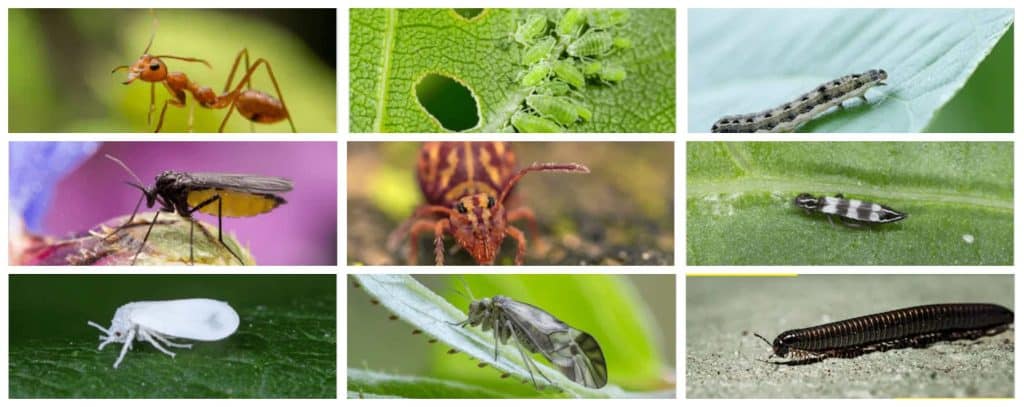
Aphids are a common garden pest that can cause significant damage to plants. Organic methods effective against aphids include using insecticidal soaps and the introduction of natural predators like ladybugs. Another effective method is spraying a mixture of water and a few drops of dish soap directly onto the aphids, which suffocates them without harming the plant.
Ants
Ants can be a nuisance both indoors and outdoors. Organic solutions for ant control include diatomaceous earth, which can be sprinkled around entry points to deter ants. Another effective method is to use a mixture of borax and sugar to create a homemade ant bait. The sugar attracts the ants, while the borax eliminates them.
Slugs and Snails
Slugs and snails can wreak havoc in gardens, munching away at plants. Natural repellents like crushed eggshells can create a barrier around plants. Copper tape is another effective barrier method, as slugs and snails are deterred by the micro-electrical charge it emits.
Precautions and Best Practices
Proper Application
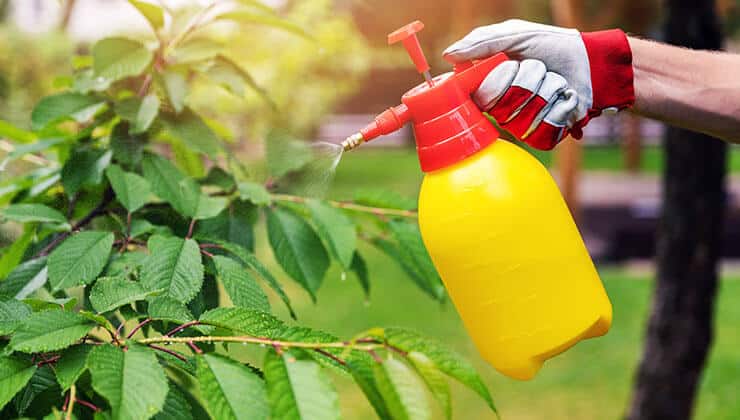
While organic pest control methods are generally safer, following guidelines for effective results is still important. For example, even natural substances like neem oil can harm beneficial insects if not applied correctly. Always read and follow the instructions on any product or method you choose.
Safety Measures
Even though organic methods are less harmful, some safety precautions should still be taken. For instance, even natural substances can irritate the eyes or skin. Always wear gloves and other protective gear when applying solutions, and keep pets and children away from treated areas until it’s safe.
Cost-Effectiveness of Organic Pest Control
Initial Costs vs Long-term Benefits
Organic pest control methods may sometimes have a higher initial cost than chemical alternatives. However, they often prove to be cost-effective in the long run. For instance, introducing natural predators into your garden is a one-time cost that provides long-term benefits, reducing the need for ongoing treatments.
Availability
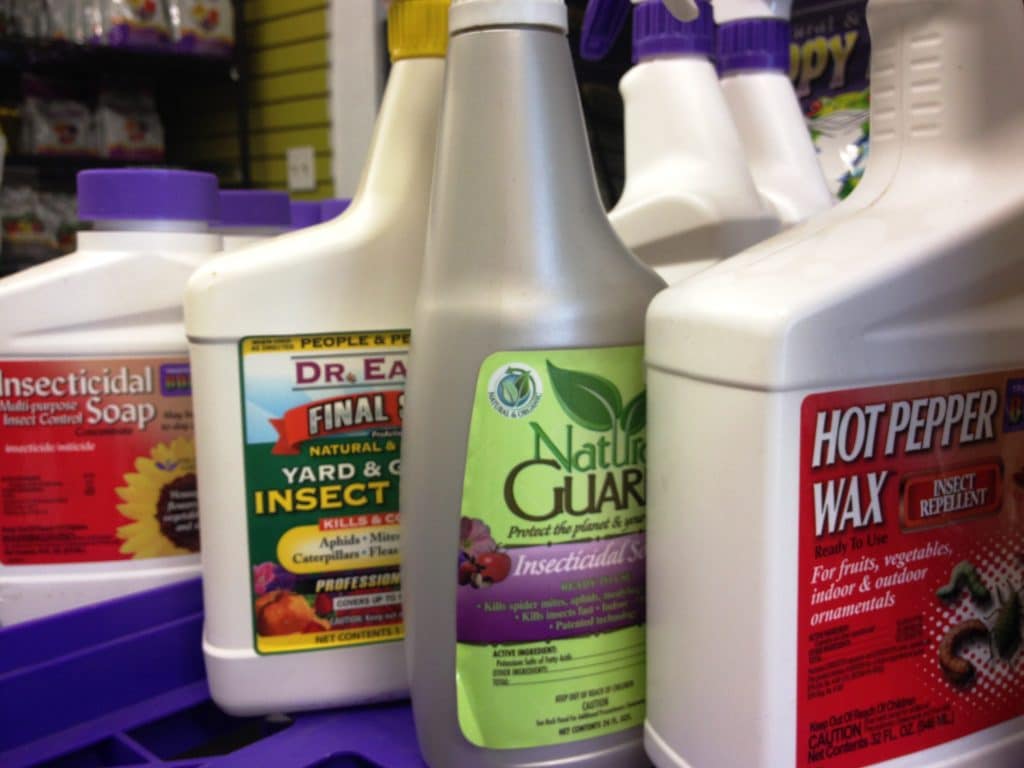
With the growing awareness of the benefits of organic methods, these products are becoming increasingly available and affordable. Many garden centers and online retailers now offer a wide range of organic pest control products, making it easier than ever to choose a sustainable option.
The Bottom Line
In summary, organic pest control offers a range of benefits over traditional chemical methods, including being safer for both the environment and humans. From biological and mechanical methods to DIY solutions, there are numerous ways to tackle pest problems without resorting to harmful chemicals. While some organic methods may require an initial investment, they often prove cost-effective in the long run. With increasing availability and growing evidence supporting their effectiveness, there’s never been a better time to switch to organic pest control. So why not try and contribute to a healthier, more sustainable world?