Hardwood floors are a timeless addition to any home, offering natural beauty and elegance. However, maintaining their pristine condition requires consistent care and attention. Proper maintenance not only enhances the aesthetics of your floors but also extends their lifespan and boosts your property’s value. This guide provides practical tips and techniques to help you keep your hardwood floors looking their best. From daily cleaning routines to handling spills and stains, these strategies will ensure your floors remain in top condition for years to come. Let’s explore the essential steps for maintaining your hardwood floors.
Contents
Regular Cleaning Routine

A consistent cleaning routine is the foundation of hardwood floor maintenance. Daily dusting or sweeping helps prevent dirt and debris from scratching the surface. Using a soft-bristle broom or microfiber cloth is essential to avoid causing any damage. Weekly vacuuming with a hardwood floor attachment can further eliminate dust and particles that might have settled in hard-to-reach areas.
Monthly mopping with a damp mop is also crucial, but it’s important to avoid excess water, which can warp and damage the wood. Use a hardwood-specific cleaner and follow the manufacturer’s instructions for best results. Regular cleaning not only keeps your floors looking clean and polished but also prevents long-term wear and tear. By incorporating these simple steps into your routine, you can significantly prolong the life and beauty of your hardwood floors.
Protecting Floors from Damage
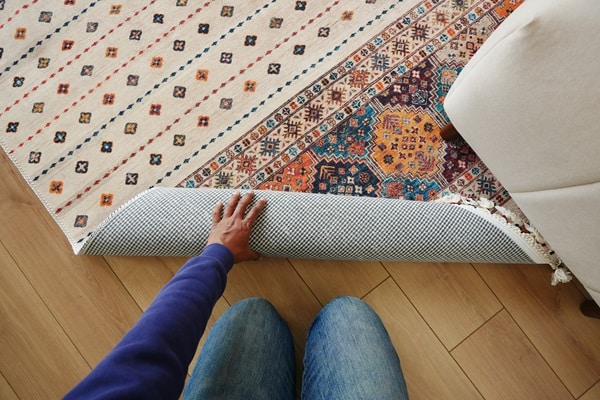
Preventing damage to your hardwood floors involves a proactive approach. Scratches and dents are common issues that can be mitigated by using furniture pads under the legs of chairs, tables, and other heavy items. Area rugs and runners are also effective in high-traffic areas, providing an additional layer of protection. It’s important to choose rugs and mats that are non-slip and breathable to avoid trapping moisture.
Managing high-traffic areas requires educating family members and guests about proper care practices. Encourage everyone to remove their shoes before entering the house to prevent dirt and grit from scratching the floor. Regularly inspect furniture pads and replace them as needed to ensure they continue to protect the floors effectively. By taking these preventative measures, you can maintain the integrity and appearance of your hardwood floors.
Handling Spills and Stains

Promptly addressing spills and stains is crucial in maintaining the appearance of hardwood floors. Immediate action can prevent liquid from seeping into the wood and causing damage. Always blot spills with a clean, dry cloth instead of wiping, as wiping can spread the liquid and worsen the stain. Different types of spills require specific cleaning techniques and products to effectively remove them without harming the floor.
For example, oil spills might need a different approach compared to food or pet accidents. It’s essential to use appropriate cleaners designed for hardwood floors and avoid harsh chemicals that can strip the finish. For stubborn stains, consider consulting a professional to ensure the floor is treated correctly. Proper handling of spills and stains not only keeps your floors looking pristine but also helps in maintaining their durability and longevity.
Managing Environmental Factors

Environmental factors play a significant role in the condition of hardwood floors. Controlling indoor humidity levels is crucial, as fluctuations can cause the wood to expand and contract, leading to gaps and warping. Using a humidifier in the winter and a dehumidifier in the summer can help maintain a stable humidity level. Aim to keep indoor humidity between 30-50% to protect your floors from these seasonal changes.
Direct sunlight can also damage hardwood floors, causing them to fade and discolor over time. Protect your floors by installing window treatments such as curtains, blinds, or UV-protective films. Regularly rotating rugs and furniture can also prevent uneven fading. By managing these environmental factors, you can preserve the appearance and integrity of your hardwood floors for the long term.
Refinishing and Recoating

Over time, even the best-maintained hardwood floors may show signs of wear and tear, such as scratches, dullness, or minor damage. Recognizing when it’s time to refinish your floors is essential for their upkeep. Refinishing involves sanding down the surface and applying a new finish, which can restore the floor’s original beauty. This process is usually necessary every 7-10 years, depending on the level of traffic and wear.
Recoating is a less intensive alternative to refinishing, ideal for floors that need a touch-up rather than a complete overhaul. Recoating involves applying a new layer of finish without sanding the floor down to the bare wood. This can be done more frequently, every 3-5 years, to maintain the floor’s protective layer and shine. Deciding between refinishing and recoating depends on the condition of your floors and your maintenance goals.
Preventative Maintenance

Establishing preventative maintenance practices can significantly reduce the risk of damage to your hardwood floors. Implementing house rules, such as a no-shoe policy, can prevent dirt and grit from being tracked indoors, which can scratch the floors. Additionally, placing mats at entryways and in high-traffic areas like kitchens can help protect against spills and wear.
Regular inspections and touch-ups are also important in maintaining hardwood floors. Periodically check for minor issues such as scratches, dents, or loose boards and address them promptly to prevent them from worsening. Educate family members and guests about the importance of these practices to ensure everyone contributes to the care of your floors. By being proactive and vigilant, you can keep your hardwood floors in excellent condition for years to come.
Dealing with Specific Challenges

Hardwood floors can face various specific challenges that require targeted solutions. Common issues like gaps between boards, squeaks, and scratches can arise even with regular maintenance. Gaps often occur due to changes in humidity and can usually be fixed by controlling the indoor environment or using wood filler. Squeaky boards can be addressed by applying powdered graphite or talcum powder between the boards to reduce friction or by nailing the boards more securely.
For scratches and dents, minor damages can often be repaired using wood filler or a touch-up kit that matches your floor’s color. More significant scratches might require sanding and refinishing a specific area to blend it with the rest of the floor. Water damage is a more severe problem that can lead to warping and discoloration; this often necessitates professional assessment and repair. Addressing these challenges promptly ensures the longevity and beauty of your hardwood floors, preventing minor issues from becoming major problems.
Preserve the Beauty of Your Hardwood Floors
Maintaining hardwood floors requires consistent effort and attention, but the results are well worth it. By following a regular cleaning routine, protecting your floors from damage, and addressing spills and stains promptly, you can keep your floors looking pristine. Managing environmental factors and considering refinishing or recoating when necessary will further enhance their longevity. Preventative maintenance and promptly dealing with specific challenges ensure your hardwood floors remain a beautiful and valuable feature of your home. Embrace these tips to enjoy the timeless elegance and durability of your hardwood floors for many years.
