

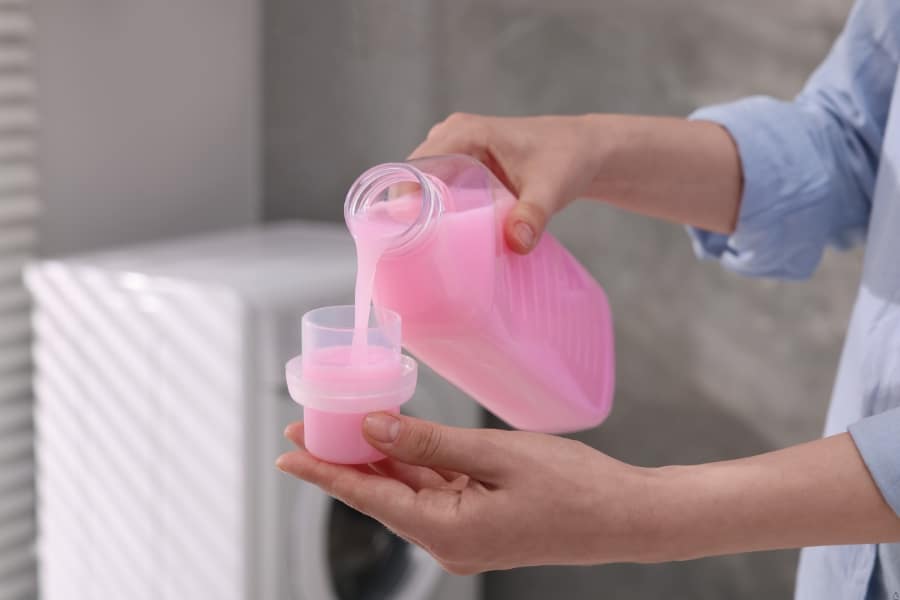
Fabric softener might seem like a harmless part of your laundry routine, but there’s more to it than just soft clothes and a fresh scent. Most people don’t realize these products are loaded with hidden chemicals that can damage your health, your clothes, and the environment. Companies promote them as essential, yet they’re anything but necessary. Over time, the buildup from these chemicals can cause skin irritation, respiratory issues, and harm the very fabrics you’re trying to protect. If you’ve been relying on fabric softener for years, it’s time to take a closer look. The truth behind that “fresh” scent is anything but clean.
The Chemical Cocktail Lurking in Every Capful

Fabric softeners are packed with synthetic chemicals that do far more than just coat your clothes in fragrance. Ingredients like quaternary ammonium compounds (quats), phthalates, and artificial fragrances are commonly found in these products. Many of these chemicals are linked to health risks such as hormone disruption, reproductive issues, and even long-term respiratory problems. Yet these ingredients are often hidden behind vague terms like “fragrance,” leaving consumers unaware of what they’re actually using.
Most of the chemicals in fabric softeners don’t fully wash out during the rinse cycle. Instead, they stay embedded in your clothes, slowly releasing fumes and coming into contact with your skin throughout the day. Even so-called “natural” or “green” softeners often use similar masking terms that hide their chemical content. Without clear labeling and regulation, it’s difficult to know what you’re being exposed to every time you do laundry.
Health Risks That No One Talks About

Repeated exposure to fabric softeners can have real consequences on your health, even if symptoms are subtle at first. Common side effects include headaches, skin rashes, dizziness, and breathing issues, especially in those with asthma or sensitive skin. The chemicals used can trigger reactions not only when you wear the clothes but also when inhaling the scent during the drying process. Many people experience ongoing irritation without ever suspecting their laundry routine is to blame.
Children, babies, and pets are particularly vulnerable due to their smaller size and heightened sensitivity. What seems like a harmless load of laundry could actually be contributing to chronic health problems in your home. In some cases, people spend years seeking answers to mysterious symptoms without realizing the culprit is their own clothing. Removing fabric softener from your daily habits can offer surprising improvements in overall well-being.
Fabric Softeners Are Wrecking Your Clothes
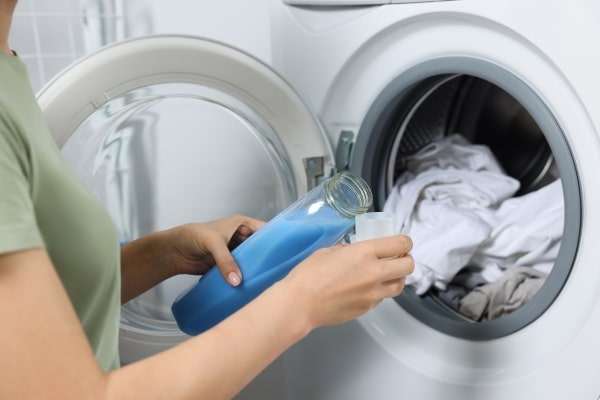
While fabric softeners claim to protect and enhance your clothes, they’re actually doing the opposite over time. These products leave behind a waxy coating that builds up on fabrics, reducing breathability and absorbency. This is especially problematic for towels and activewear, which rely on their ability to absorb moisture and wick sweat. As this coating accumulates, it traps odors and makes clothes feel greasy or less fresh after washing.
Over time, this residue wears down the fabric, causing premature aging, thinning, and even holes. Microfibers used in cleaning cloths and athletic gear become less effective, losing their ability to clean or ventilate properly. Flame-resistant clothing can also become less protective, posing additional safety risks. If your clothes don’t seem to last as long or feel as fresh, your softener could be the reason why.