
Creating a home that is both comfortable and safe for pets enriches their lives and simplifies yours. Whether you have a playful puppy, a curious cat, or any other pet, certain modifications to your living space can make a big difference. This guide will explore practical ways to adjust your living environment to cater to the needs of your furry, feathered, or scaled friends. From selecting the right furniture to pet-proofing each room, you’ll learn ways to make your home more pet-friendly, ensuring it’s a welcoming and safe environment for all your beloved animals.
Contents
Choosing Pet-Friendly Furniture
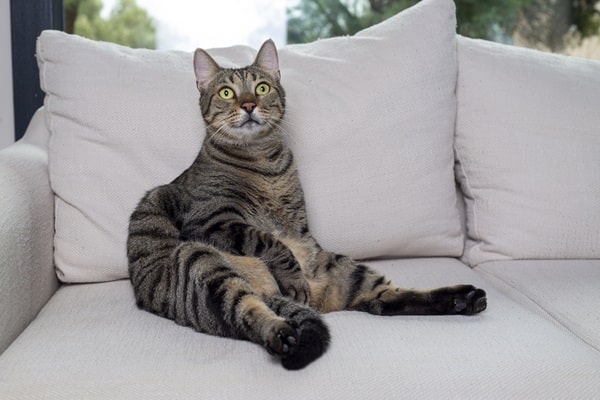
When selecting furniture for a pet-friendly home, focus on materials that can withstand wear and tear. Fabrics like microfiber and certain leathers are ideal as they resist scratches and are easy to clean. Additionally, look for furniture with minimal exposed wood or sharp edges, which can be harmful to active pets. Opting for rounded corners and sturdy fabric will keep both furniture and pets in good condition. Furthermore, furniture with removable covers will simplify the cleaning process, allowing you to keep your home hygienic and looking fresh.
The durability of your furniture not only preserves the aesthetic of your home but also ensures the safety of your pets. Avoid materials that easily tear or accumulate pet hair, such as certain wools or silks. Instead, choose washable covers and throw rugs that can be easily replaced. This approach not only keeps your space tidy but also reduces the potential for pets to ingest harmful materials from damaged furniture. Stain-resistant materials can also be particularly beneficial, ensuring that accidents and spills can be cleaned up quickly without permanent damage.
Flooring That Works for Pets

Choosing the right flooring is crucial in a pet-friendly home. Hard surfaces like tile or laminate are easier to clean and resist pet stains better than carpets. If you prefer the warmth and comfort of carpet, opt for a low-pile option that’s easier to maintain. Additionally, consider adding runners or area rugs that can be easily washed or replaced, which helps in maintaining cleanliness and reducing wear in high-traffic areas.
When installing new flooring, think about slip resistance, which is particularly important for both young and older pets. Materials like textured tiles or slip-resistant laminate can prevent accidents. Regular maintenance, such as keeping nails trimmed and cleaning up spills quickly, will further protect your flooring and ensure a safer environment for your pets to roam freely. Additionally, choose materials that will not trap odors, which can make your home more hygienic and pleasant for both you and your pets.
Safe Spaces for Pets

Creating a designated area where your pets can feel secure and comfortable is essential. This space should be away from high-traffic areas to provide a quiet retreat. Equip these areas with their favorite bedding, toys, and access to fresh water. For cats, consider a climbing structure or window perch where they can observe their surroundings, which can greatly enhance their quality of life.
Additionally, the placement of these pet zones should reflect your animals’ natural habits. For instance, dogs often prefer a spot where they can see the door, while cats might seek higher ground. Ensuring these spaces are free from drafts and direct sunlight can prevent discomfort, making these areas truly inviting and safe for your pets. Consider adding a personal touch like a pet’s name on the bed or custom toy boxes, which can make the space feel even more dedicated and special.
Pet-Proofing Your Home
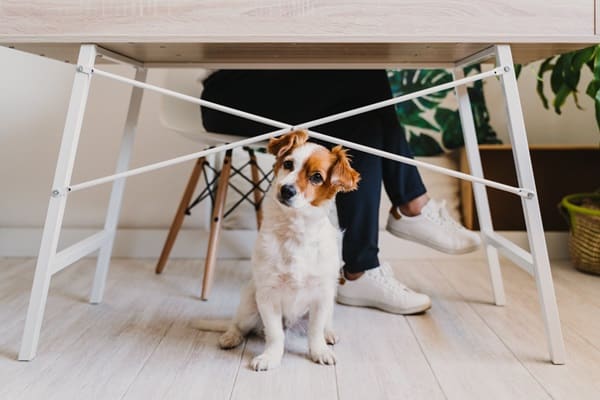
Pet-proofing is vital to prevent common household hazards from harming your pets. Start by securing loose wires and small objects that can be choking hazards. Use child-proof latches to keep cabinets closed, particularly those containing chemicals and medicines. Also, ensure that trash bins are inaccessible or securely closed to prevent pets from ingesting harmful substances. Regular audits of your home to identify and mitigate risks can keep your pets safe from harm.
You can further enhance your home’s safety by considering the placement of certain plants and decorations. Many common houseplants are toxic to animals if ingested, so it’s crucial to keep these out of reach or opt for pet-safe alternatives. Regularly check your home for potential hazards like dangling cords from blinds or small, swallowable decor items, and adjust as needed to maintain a safe environment for your pets. By taking these precautions, you can create a home that is not only comfortable but also secure for all its inhabitants.