
Utility costs are rising, making it more important than ever to find ways to cut down on electricity, water, and heating expenses. Many households waste energy without realizing it, leading to higher bills and unnecessary environmental impact. Fortunately, modern technology offers innovative solutions to help reduce consumption while maintaining comfort and convenience. From smart thermostats that regulate temperature efficiently to LED bulbs that use significantly less power, investing in the right devices can lead to long-term savings. This guide explores seven essential devices that can help you save money on utilities, making homes more energy-efficient without requiring drastic lifestyle changes.
Smart Thermostats: Optimize Heating and Cooling

Heating and cooling account for a significant portion of household energy costs, but smart thermostats provide a simple way to reduce these expenses. Unlike traditional thermostats, smart versions learn a household’s temperature preferences and automatically adjust settings to improve efficiency. Many models use sensors and geofencing to detect when a home is empty, lowering energy usage during unoccupied hours. These devices also allow remote control via smartphone apps, enabling homeowners to make real-time adjustments and monitor energy consumption.
The benefits of installing a smart thermostat extend beyond convenience; they directly translate into substantial cost savings. According to the U.S. Department of Energy, properly using a programmable thermostat can reduce heating and cooling costs by up to 10% annually. Brands like Nest, Ecobee, and Honeywell offer models with energy usage reports, providing insights into consumption patterns and potential savings. Many utility companies also provide rebates for purchasing energy-efficient thermostats, making the initial investment more affordable. By optimizing heating and cooling schedules, smart thermostats ensure homes stay comfortable while lowering energy bills.
LED Light Bulbs: Efficient Lighting Solutions
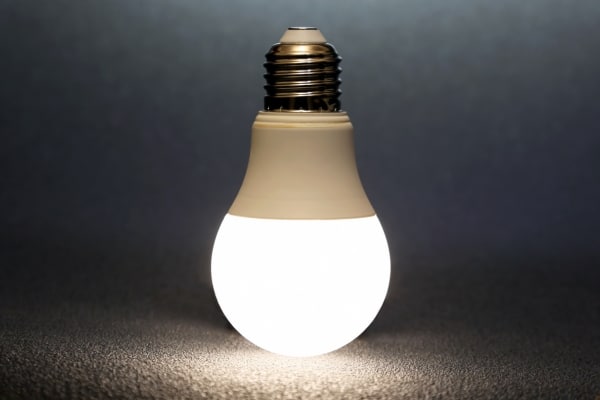
Lighting accounts for a significant portion of electricity consumption, but switching to LED bulbs can dramatically lower energy use. Unlike traditional incandescent bulbs, LED lights consume up to 80% less energy while lasting significantly longer. This extended lifespan—often 10 to 25 times that of incandescent bulbs—reduces replacement costs, making LED lighting an affordable and sustainable choice. Smart LED bulbs take efficiency a step further by allowing users to adjust brightness, set schedules, and even change colors via smartphone apps.
The financial savings from LED bulbs add up quickly, especially in homes with multiple light sources. Replacing all traditional bulbs with LEDs can reduce annual electricity bills by hundreds of dollars, depending on household size and usage. Many utility companies offer rebates or discounts for switching to LED lighting, further increasing cost-effectiveness. Additionally, LED technology produces less heat, reducing the strain on air conditioning systems during warmer months. By making a simple switch, homeowners can enjoy lower energy bills and contribute to environmental sustainability.
Smart Power Strips: Eliminate Phantom Energy Use

Many electronic devices continue to draw power even when turned off, leading to what is known as phantom energy loss. This hidden electricity drain can account for up to 10% of a household’s total energy consumption, needlessly increasing utility bills. Smart power strips address this issue by detecting inactive devices and cutting power to them automatically. Unlike traditional power strips, these smart versions prevent standby energy loss, ensuring that unused electronics do not consume electricity when not in use.
Smart power strips offer multiple energy-saving features, including scheduled shut-offs, remote control via smartphone apps, and motion detection. For example, entertainment centers, gaming consoles, and office equipment are common culprits of phantom energy consumption, making these strips especially useful in such areas. Studies have shown that replacing regular power strips with smart versions can save homeowners up to $200 per year on electricity bills. By incorporating these devices into daily routines, users can effortlessly reduce energy waste and lower their overall utility costs.