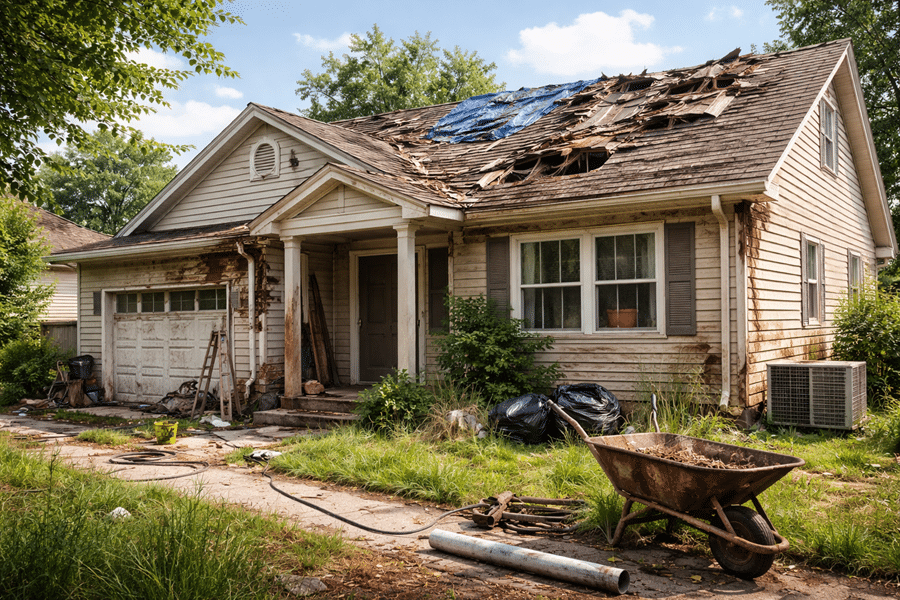
The real reason homes are losing value right now is not what most people think. It is not just market conditions or interest rates or even location. The biggest factor quietly destroying resale value in 2026 is deferred maintenance. Small issues left unchecked slowly build into major red flags that instantly turn buyers away. In a market where buyers are more cautious and selective than ever, even minor neglect can cost thousands. Homes that look well cared for feel safe and worth investing in, while neglected homes raise doubts that are hard to overcome.
Why Deferred Maintenance Scares Buyers More Than Anything

When buyers walk into a home, they are not just looking at what is visible. They are trying to predict what could go wrong after they move in. Deferred maintenance immediately signals risk. A dripping faucet or cracked wall may seem minor, but it suggests a pattern of neglect.
That perception spreads quickly. If one thing has been ignored, buyers assume other problems are hiding out of sight. This creates hesitation, and hesitation leads to lower offers or no offers at all. Buyers want confidence, and maintenance issues destroy that confidence almost instantly.
Small Problems That Turn Into Big Price Cuts
One of the most expensive mistakes homeowners make is putting off simple fixes. What starts as a minor inconvenience often becomes a serious issue that impacts value far more than the cost of repair.
A small roof leak can lead to insulation damage, mold, and structural issues. A slow plumbing leak can weaken floors and walls over time. Buyers recognize these risks immediately. Instead of seeing a quick fix, they see future expenses and uncertainty. That perception gives them leverage to negotiate the price down significantly.
Roof Issues That Instantly Raise Red Flags
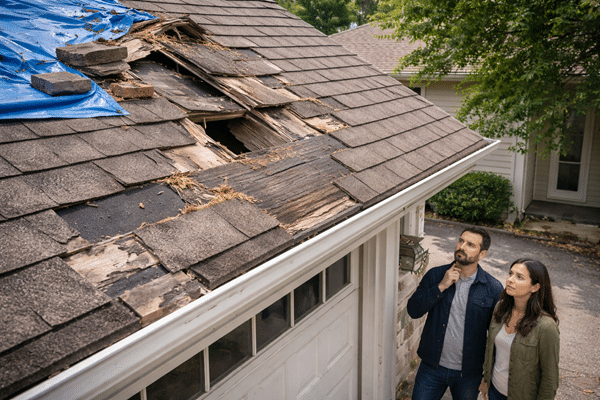
Few things scare buyers faster than signs of roof trouble. Water stains on ceilings, missing shingles, or sagging areas immediately suggest costly repairs ahead.
Even if the roof still has life left, visible wear changes how buyers feel about the home. They start calculating replacement costs before they have even finished the tour. That mental calculation often leads to lower offers or complete disinterest.
A solid, well maintained roof gives buyers peace of mind. A questionable one does the opposite and can derail a sale before it even begins.
Outdated Systems That Signal Expensive Replacements
Heating and cooling systems are another major factor in perceived value. An aging system tells buyers they will likely face a large expense soon after moving in.
Even if the system works fine, buyers are thinking ahead. They want efficiency, reliability, and modern performance. An outdated system feels like a ticking clock. This reduces the overall appeal of the home and weakens negotiating power.
Replacing or servicing these systems before listing can make a dramatic difference in how buyers respond.
Water Damage That Breaks Buyer Trust
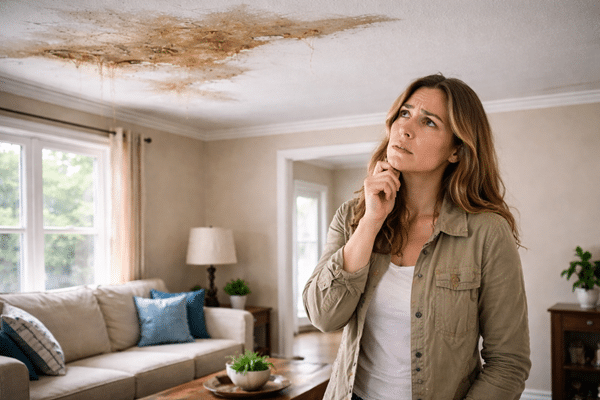
Water damage is one of the most damaging issues a home can have when it comes to resale. Stains, warped materials, or musty smells immediately suggest deeper problems.
Once buyers suspect water damage, their mindset changes. They begin to question everything about the home. Even if repairs have been made, the doubt often lingers.
Trust is a huge part of the buying process. When water damage is present, that trust disappears quickly, making it much harder to secure strong offers.
Odors That Kill Deals Without Warning
Smell plays a powerful role in how buyers experience a home. Unpleasant odors can ruin an otherwise perfect showing in seconds.
Cigarette smoke, pet odors, or lingering food smells create an emotional reaction that is difficult to overcome. Buyers may not even realize how strongly it influences their decision, but it often leads to a negative impression they cannot shake.
A fresh and neutral scent makes a home feel clean and welcoming. Strong or unpleasant smells do the opposite and can reduce perceived value dramatically.
Cleanliness That Directly Impacts Perceived Value
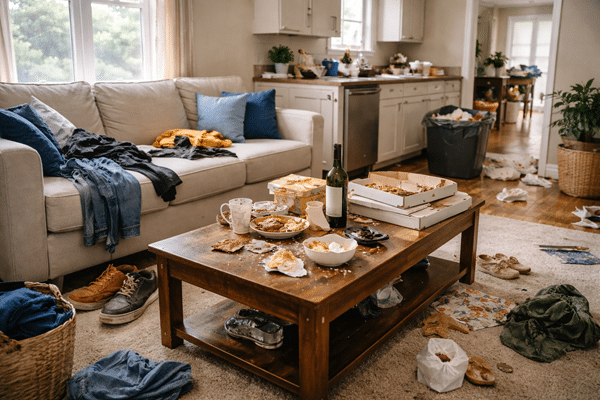
A clean home feels cared for. A dirty or cluttered home feels neglected. This simple difference has a major impact on how buyers evaluate a property.
Clutter makes spaces look smaller and less functional. Dirt and mess suggest a lack of maintenance. Buyers connect these visual cues with potential hidden problems.
Deep cleaning and decluttering are some of the easiest ways to improve a home’s appeal. These small efforts can create a big shift in how buyers feel and how much they are willing to pay.
