8 Cleaning Mistakes That Are Ruining Your Furniture
Common cleaning habits may be causing permanent damage to your sofas, tables, and upholstery without you even realizing it.
Your furniture represents a significant investment in your home’s comfort and aesthetic appeal, yet many homeowners unknowingly engage in cleaning mistakes that are ruining their furniture over time. From using the wrong products on leather sofas to scrubbing stains too aggressively on delicate fabrics, these well-intentioned but misguided efforts can lead to fading, cracking, warping, and permanent damage. Understanding what not to do is just as important as knowing proper cleaning techniques, and correcting these common errors can extend the life of your beloved pieces by years or even decades.
Using All-Purpose Cleaners on Wood Surfaces
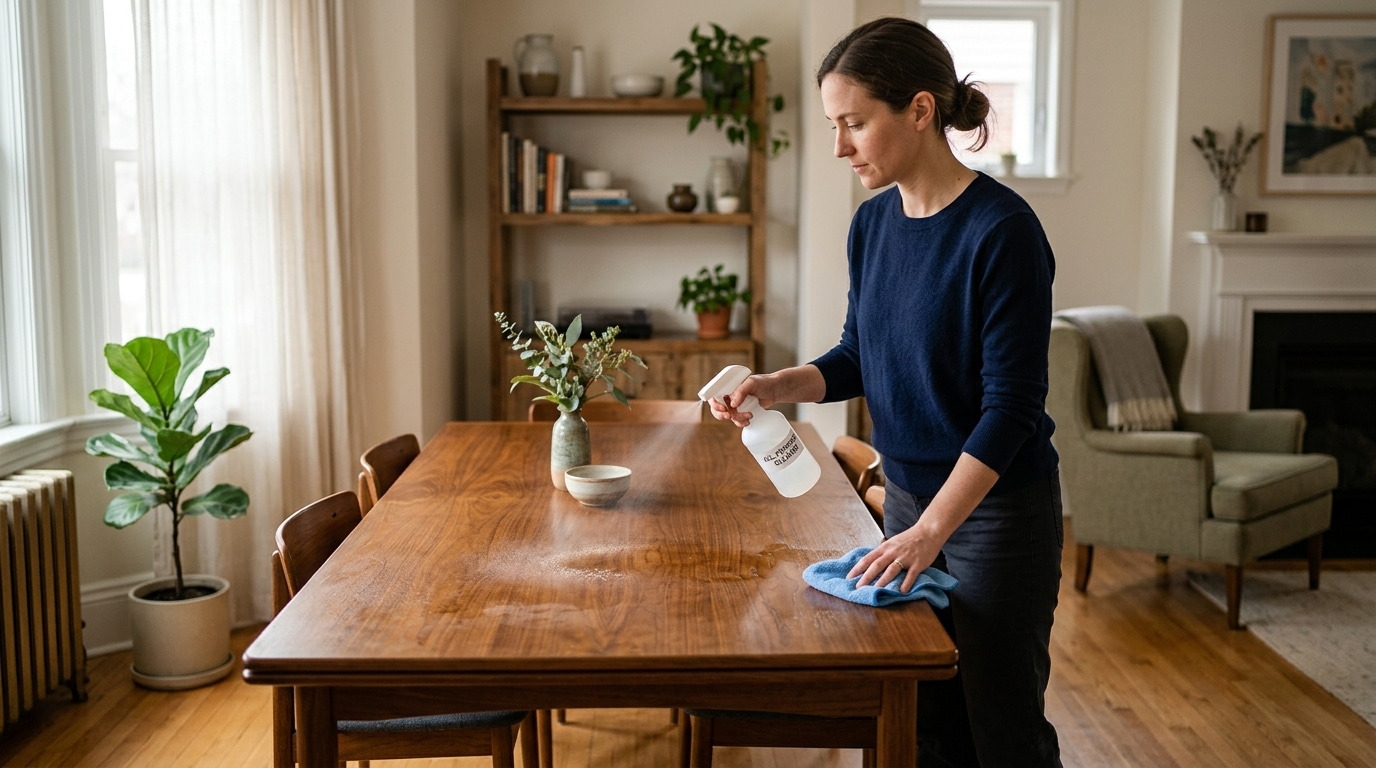
One of the most widespread furniture care mistakes involves reaching for all-purpose cleaners when dusting or wiping down wooden tables, chairs, and cabinets. These commercial cleaners often contain ammonia, alcohol, or other harsh chemicals that strip away the protective finish on wood furniture. Over time, this leads to a dull, cloudy appearance and can cause the wood to dry out and crack. The Furniture Industry Research Association has long recommended that wood furniture be cleaned only with products specifically formulated for wood surfaces, or simply with a soft, slightly damp cloth followed by immediate drying. Many furniture manufacturers explicitly warn against using general household cleaners in their care instructions, yet this guidance is frequently overlooked by consumers eager for a quick cleaning solution.
Different furniture materials require entirely different cleaning approaches. Leather needs conditioning to prevent cracking, fabric upholstery often benefits from vacuuming before any wet cleaning, and solid wood requires products that maintain natural oils rather than strip them away.
Rubbing Stains Vigorously on Upholstered Furniture

When a spill occurs on a sofa or armchair, the instinctive response is often to scrub the affected area vigorously with a cloth or sponge. This approach, however, typically makes matters worse rather than better. Aggressive rubbing pushes the stain deeper into the fabric fibers and can spread it across a larger area. Additionally, the friction from scrubbing can damage the weave of the fabric, creating a worn or fuzzy patch that stands out even after the stain is removed. Professional upholstery cleaners consistently advise blotting stains gently from the outside edge toward the center, which contains the spill and lifts liquid without forcing it further into the cushion padding beneath.
Neglecting to Test Cleaning Products First
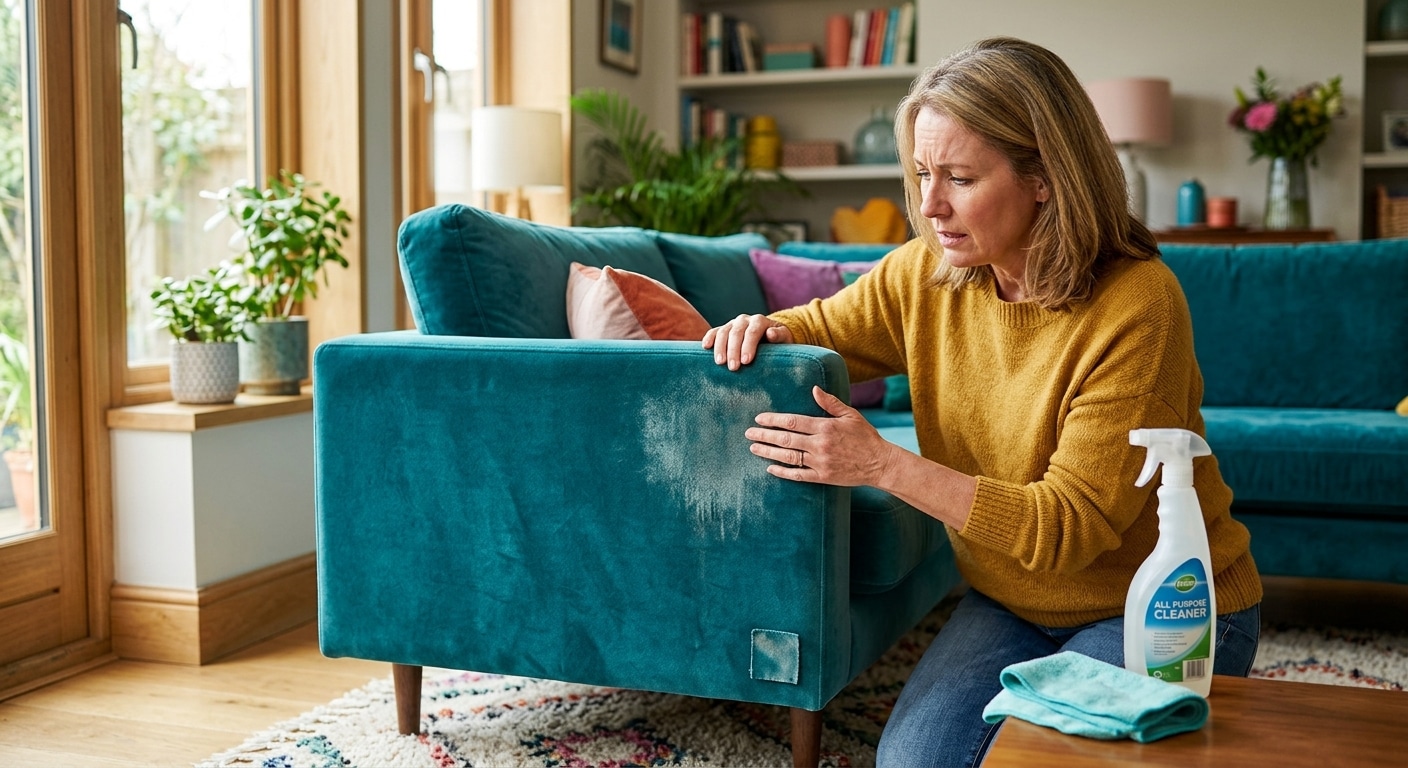
Even products marketed as safe for furniture can cause unexpected reactions on certain materials, dyes, or finishes. Failing to test any cleaning solution in an inconspicuous area before applying it to a visible surface is a mistake that has ruined countless pieces of furniture. A product that works beautifully on one fabric may cause permanent discoloration on another. This is particularly true for antique furniture, which may have older finishes that react differently to modern cleaning agents. The standard recommendation across the furniture care industry is to apply any new product to a hidden area, such as the back of a cushion or the underside of a table, and wait at least 24 hours to observe any adverse effects before proceeding with broader cleaning.
Most upholstered furniture includes a cleaning code tag, typically found under seat cushions. The code “W” indicates water-based cleaners are safe, “S” means solvent-based cleaners only, “WS” allows either, and “X” indicates vacuum only with no liquid cleaners. Ignoring these codes is a primary cause of upholstery damage during home cleaning attempts.
Over-Wetting Wooden and Laminate Furniture
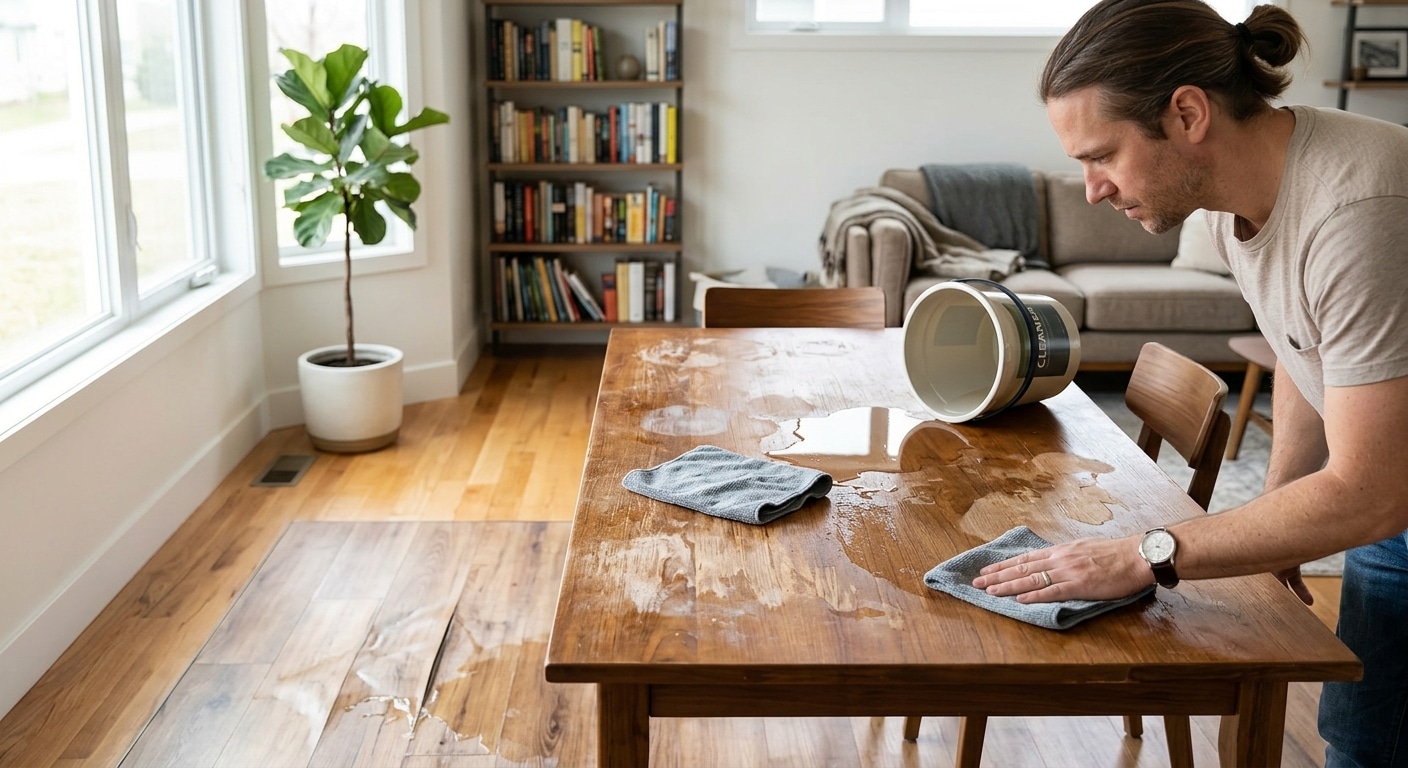
Water is surprisingly destructive to furniture when used excessively during cleaning. When wooden furniture becomes saturated, the water can seep into joints and grain, causing swelling, warping, and eventual structural weakness. Laminate surfaces are equally vulnerable, as water that penetrates the edges can cause the layers to separate and bubble. This problem is compounded when furniture is left wet rather than being dried immediately after cleaning. The safest approach involves using a barely damp cloth, wrung out thoroughly so that no dripping occurs, and following immediately with a dry cloth to remove any remaining moisture. This technique provides adequate cleaning while protecting the furniture’s integrity.
Using Furniture Polish Too Frequently

While furniture polish can create an attractive shine and provide some protection, using it too often leads to problematic buildup. Many polishes contain silicone or wax that accumulates on the surface layer after layer, eventually creating a sticky residue that attracts dust and becomes increasingly difficult to remove. This buildup can also interfere with future refinishing efforts, as the accumulated polish prevents new finishes from adhering properly to the wood. Furniture care specialists generally suggest that polish be applied sparingly, no more than once or twice per month at most, with regular dusting using a dry microfiber cloth sufficient for routine maintenance between polish applications.
Placing Furniture in Direct Sunlight Without Protection
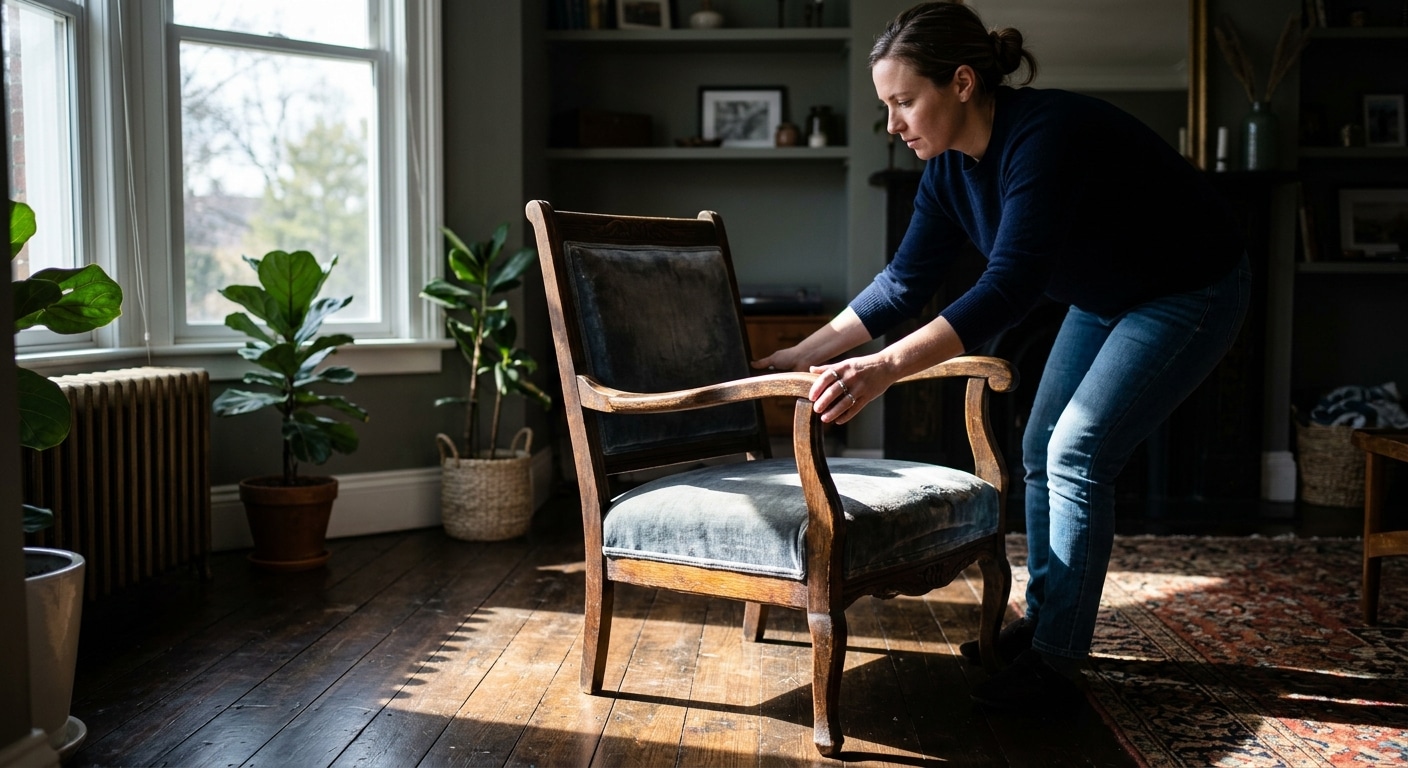
This mistake relates more to furniture placement than active cleaning, but it directly impacts the effectiveness of furniture maintenance efforts. Ultraviolet rays from direct sunlight cause fading, bleaching, and deterioration of both wood finishes and fabric upholstery over time. Leather is particularly susceptible, becoming dry, brittle, and prone to cracking when exposed to prolonged sunlight. Even the most diligent cleaning and conditioning routine cannot reverse sun damage once it has occurred. Window treatments that filter UV rays, periodic rotation of cushions, and strategic furniture arrangement that minimizes direct sun exposure are essential protective measures that complement proper cleaning practices.
Key Protection Strategies
Always test products in hidden areas before full application
Gentle blotting prevents spreading and fabric damage
Use barely damp cloths and dry immediately
Follow manufacturer care codes and instructions
Ignoring Manufacturer Care Instructions
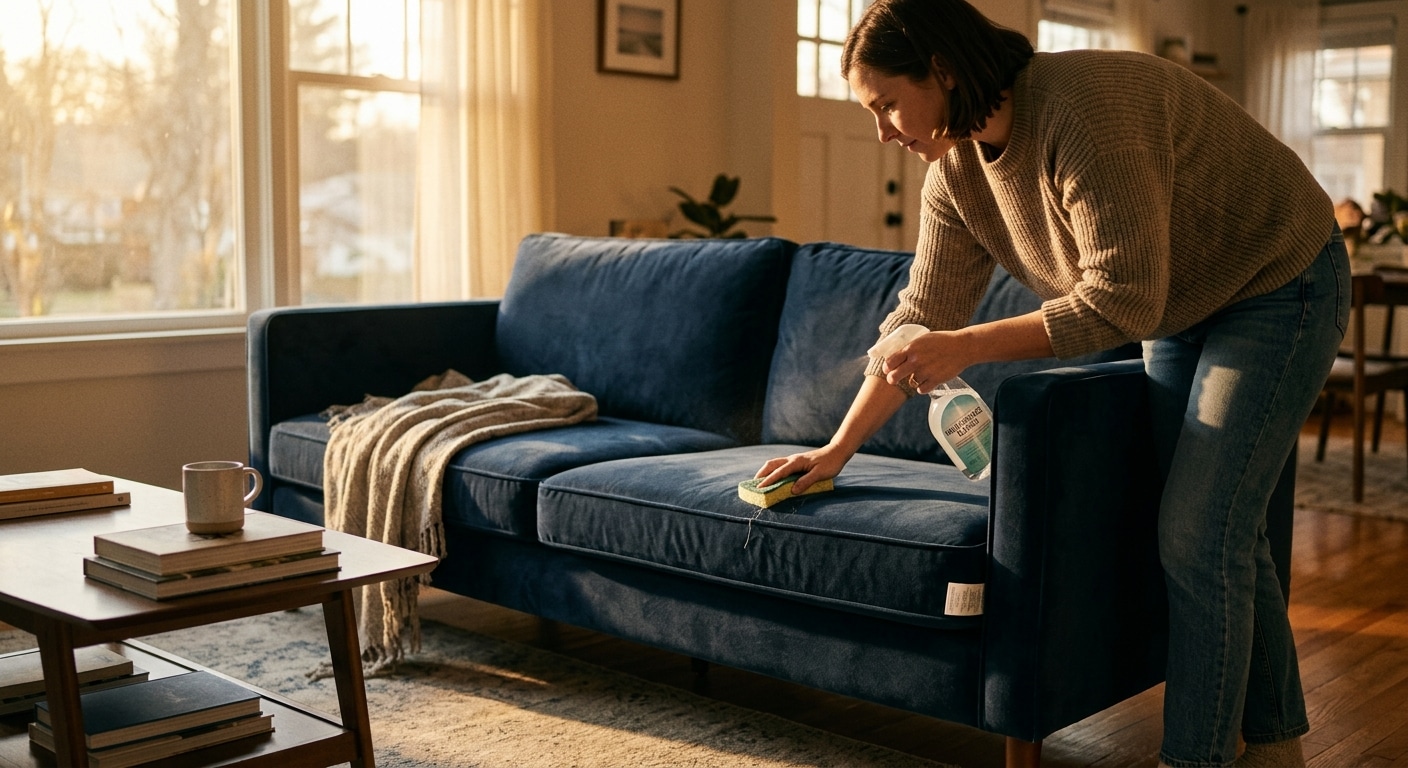
Every piece of quality furniture comes with specific care instructions from the manufacturer, yet these guidelines are frequently disregarded or never even read by furniture owners. These instructions are developed based on the specific materials, finishes, and construction methods used in that particular piece, making them the most reliable source of care information available. A manufacturer knows, for instance, whether the leather on a sofa has been treated with a protective coating that requires specific products to maintain, or whether a wood finish is oil-based and needs periodic reapplication. Keeping these care instructions accessible and referring to them before undertaking any cleaning project is one of the simplest ways to avoid damaging furniture through inappropriate care methods.
Using Abrasive Tools on Delicate Surfaces
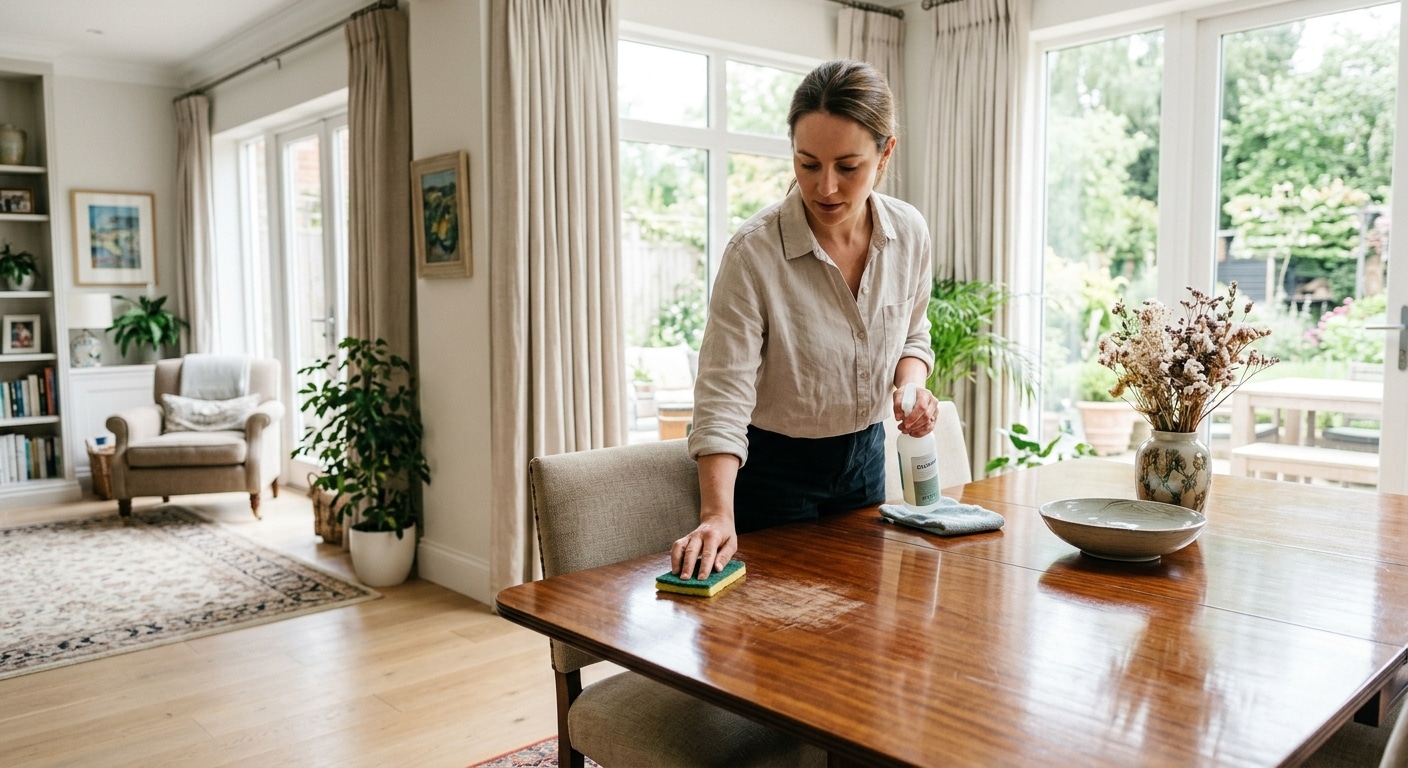
The final common mistake involves using cleaning tools that are too harsh for furniture surfaces. Scrub brushes with stiff bristles, abrasive sponges, and even rough paper towels can scratch and mar furniture finishes, leaving permanent marks that dull the appearance of wood and damage the surface of leather and vinyl. Glass tabletops, while seemingly durable, are also susceptible to fine scratches from abrasive cleaning materials that accumulate over time and diminish the table’s clarity and appearance. Microfiber cloths have become the standard recommendation for furniture cleaning because their soft fibers lift dust and dirt effectively without causing surface damage, and they can be washed and reused repeatedly without losing their gentle cleaning properties.
For valuable antique pieces or furniture with existing damage, consulting a professional furniture restorer before attempting any cleaning is advisable. Improper cleaning of damaged furniture can make restoration more difficult and expensive, or in some cases, impossible.
Preserving Your Furniture Investment for Years to Come
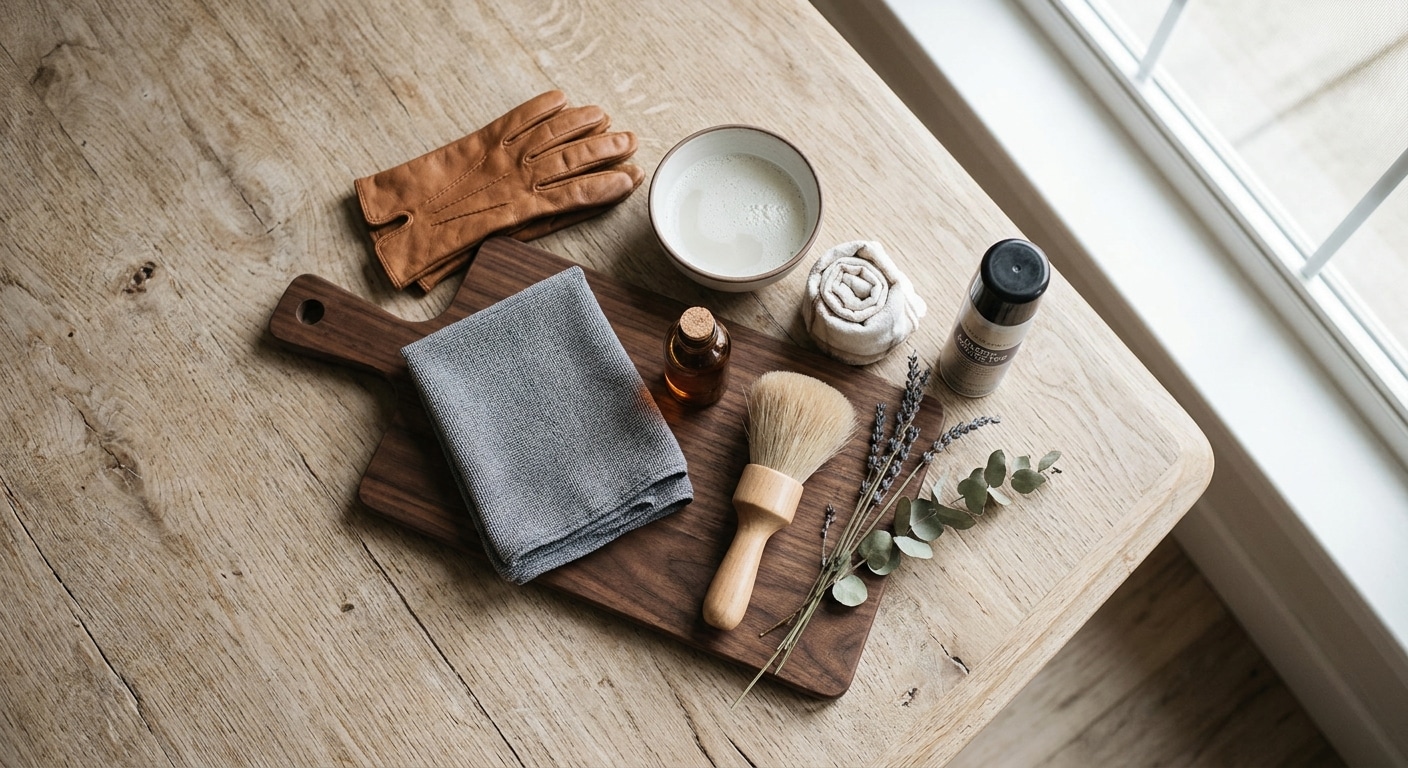
Recognizing and correcting these common cleaning mistakes can dramatically extend the useful life and appearance of furniture throughout your home. The underlying principle connecting all of these errors is the importance of treating furniture gently and appropriately for its specific materials, rather than applying a one-size-fits-all cleaning approach. By taking the time to understand what each piece requires, testing products before use, and avoiding the temptation to scrub aggressively or clean excessively, homeowners can maintain furniture that looks beautiful and functions well for generations, ultimately protecting both their investment and the character of their living spaces.