
Every dog, whether a pampered pooch or a hardy hound, deserves a space they can call their own. A dog house isn’t just a shelter; it’s a haven where your furry friend can feel safe, comfortable, and protected from the elements. Building the perfect dog house requires understanding your dog’s needs, choosing the right location, and gathering the right materials. This guide will give you a complete rundown of these essential steps to ensure your canine companion has the ideal home!
Contents
Understanding Your Dog’s Needs

The first step in building the perfect dog house is to understand your pet’s unique needs. Dogs, like humans, have preferences. Some dogs might prefer a cozy, enclosed space, while others might want a bit more room to stretch out. Consider the size of your dog; a Great Dane will have vastly different space requirements than a Chihuahua. Additionally, think about the climate you live in. If it’s predominantly hot, your dog will need ample ventilation. On the other hand, colder climates might necessitate insulated walls to keep your pet warm.
Another crucial aspect to consider is your dog’s habits. Does your dog love to lounge around, or is it always on the lookout, observing its surroundings? Some dogs appreciate a higher vantage point or windows to keep an eye on their territory. Understanding these habits will help you design a house your dog will love and use regularly.
Choosing The Right Location

Location is everything. Just as you wouldn’t want your home placed in an inconvenient or uncomfortable spot, the same goes for your dog’s house. Start by considering the proximity to your main house. Placing the dog house too far might make your pet feel isolated while placing it too close might not give them the sense of independence they sometimes need.
Another vital factor is the availability of shade. Dogs can get overheated quickly, so ensuring their house isn’t constantly under the scorching sun is essential. Look for a location that offers a good balance of sunlight and shade. Additionally, consider the direction of prevailing winds and potential flooding areas. A dog house should be placed in a spot where it’s protected from strong winds and elevated enough to avoid water logging during heavy rain.
Materials And Tools Required

Once you’ve understood your dog’s needs and chosen the ideal location, it’s time to gather your materials. The type of wood you choose is crucial. Cedar and redwood are excellent choices due to their natural resistance to decay and pests. They also provide good insulation against temperature extremes. Besides wood, you’ll need nails, screws, and other fasteners to hold everything together. Ensure these are of good quality to ensure the longevity of the dog house.
In terms of tools, the basics include a saw, hammer, measuring tape, and possibly a drill. If you’re planning to give the dog house a finish, gather paints or stains that are non-toxic and safe for pets. Remember, while aesthetics are essential, the safety and comfort of your dog should always be the priority. Always opt for materials that are durable, weather-resistant, and safe for your pet.
Laying The Foundation
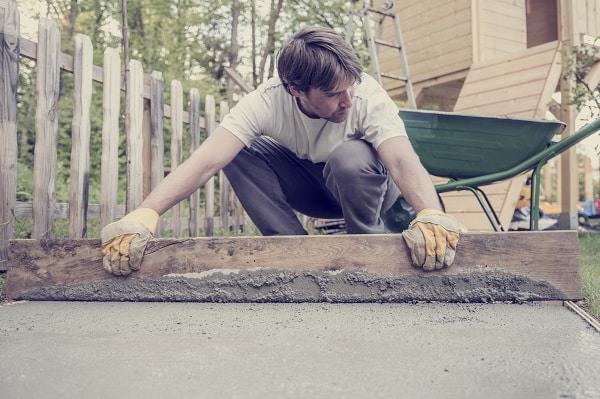
The foundation of any structure is its backbone, and the same holds true for a dog house. A strong foundation ensures the longevity of the house and provides a level surface for your dog to rest on. There are several options to consider. A concrete foundation is sturdy and durable, but it can be cold during the winter months. If you opt for concrete, consider placing a layer of insulation or a raised bed to keep your dog warm.
Another popular choice is a raised wooden platform. This type of foundation keeps the dog house elevated, ensuring it stays dry during rainy seasons. It also provides a barrier against pests and insects. Gravel is another option, especially if you’re looking for good drainage. Whichever foundation you choose, ensure it’s level and stable, providing a solid base for the rest of the construction.