
Summer’s embrace, with its vibrant blossoms and long sunlit days, often comes with the nuisance of bugs. Whether it’s the incessant buzz of a mosquito by the ear or the ants marching one-by-one towards your picnic, these tiny creatures can disturb an otherwise perfect day. However, nature has provided solutions to these minor annoyances in the form of certain plants. By strategically placing these green allies around your home and garden, not only can you enhance your space’s aesthetic appeal, but you can also create a natural shield against unwelcome insects. Let’s delve into some of these botanical bug-busters.
Lavender
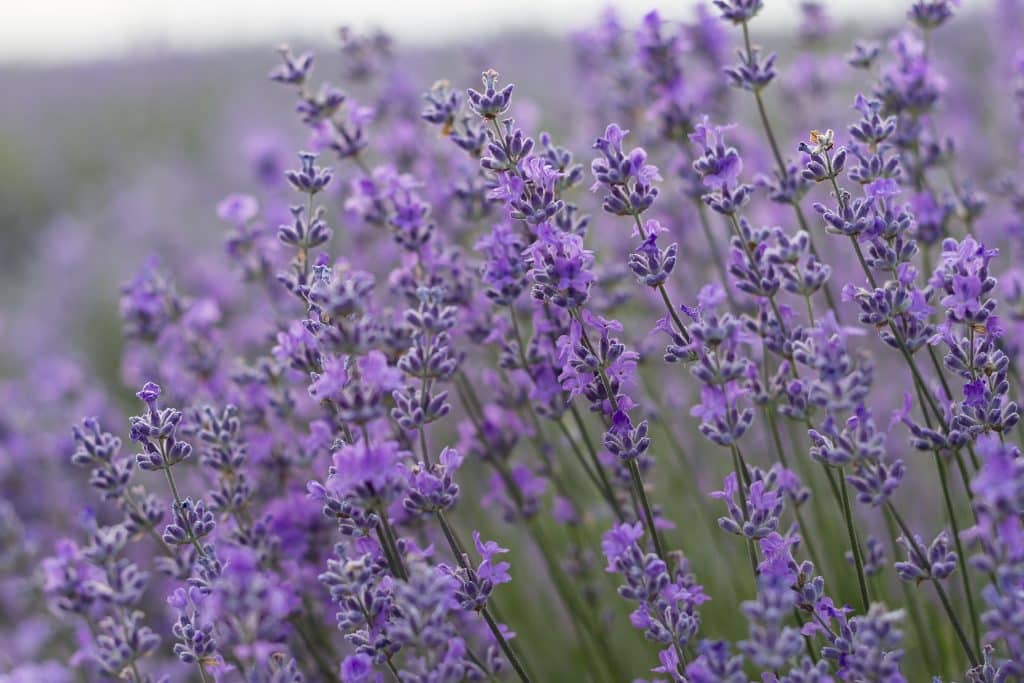
Lavender, with its soothing purple hue and calming aroma, does more than just serve as a delightful ornamental plant. Its scent, loved by many, acts as a deterrent for several bugs including moths, fleas, flies, and mosquitoes. Growing lavender in the garden or using it as a decorative indoor plant can help keep these pests at bay. Moreover, dried lavender sachets can be placed in closets or drawers, ensuring these spaces remain free from moths and their potential destruction.
For anyone looking to grow lavender, it thrives in well-drained soil and requires plenty of sunlight. The plant is fairly drought-resistant, making it suitable for various climates. Not only does it keep pests away, but it also attracts pollinators like bees, ensuring a thriving garden. As an added bonus, lavender can be used in a plethora of home remedies and recipes, offering multifaceted benefits.
Citronella

Citronella is a name many might recognize from the labels of candles or repellent sprays, particularly those designed to ward off mosquitoes. The strong, lemony scent emitted from the citronella plant is naturally unappealing to these blood-sucking pests. By cultivating this grassy plant in your garden or patio, you can enjoy outdoor activities without the constant swatting and itching.
However, there’s more to this plant than just its bug-repelling properties. Citronella is also renowned for its potential to uplift moods and alleviate stress when used in aromatherapy. For effective growth, citronella requires a sunny location with well-draining soil. It can be grown in pots, making it a flexible choice for both gardens and balconies. It’s a worthy addition for anyone seeking a natural shield against mosquitoes.
Marigolds
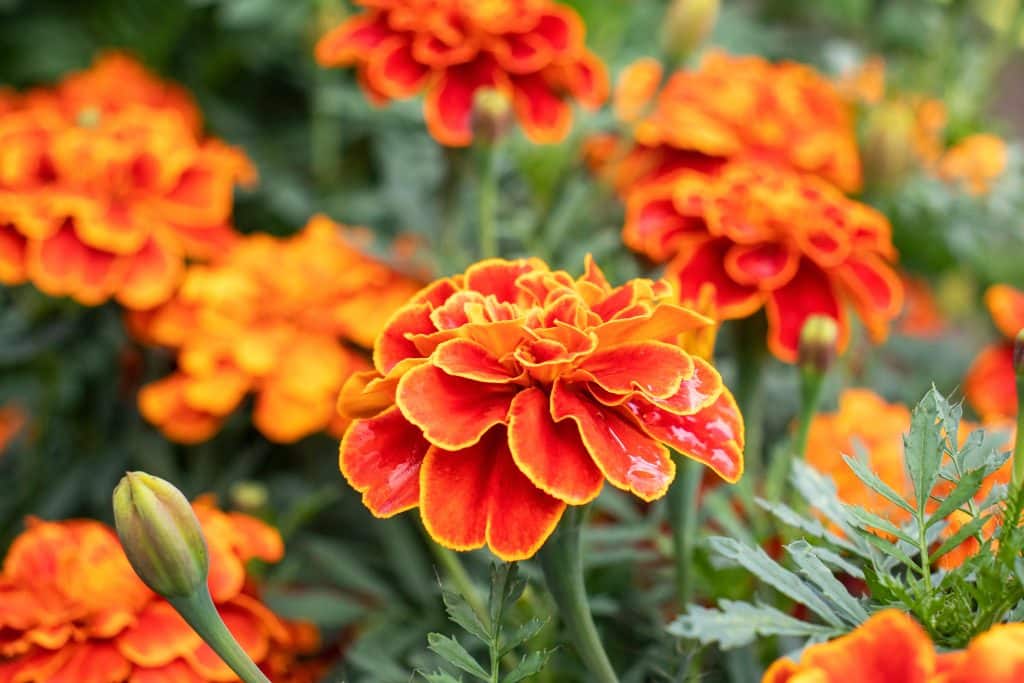
Marigolds, often hailed for their vibrant golden hues, are more than just a pretty face in the garden. These flowers contain a substance called pyrethrum, which has long been used in many insect repellents. Not only do marigolds deter mosquitoes, but they also ward off a variety of garden pests, such as aphids. Planting them among vegetables or flowers can act as a protective barrier, ensuring that other plants flourish without being preyed upon.
Besides their protective traits, marigolds have the added advantage of being easy to grow. They are adaptable to a variety of soil conditions, though they prefer sunlight. Regularly watering them and ensuring they receive at least six hours of sunlight daily can lead to a lush bloom. Not only will your garden be adorned with their radiant beauty, but it will also benefit from a reduced number of pests.