
Rosemary
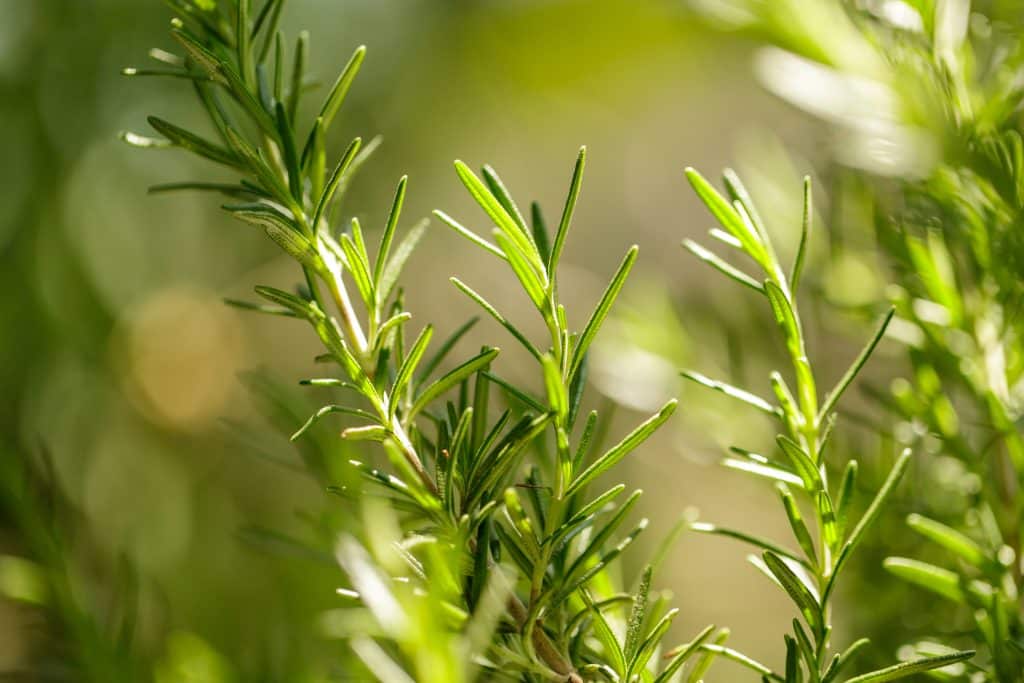
Rosemary is not only revered in culinary circles for its aromatic flavor but is also a potent bug repellent. This herb’s strong scent acts as a deterrent against mosquitoes and several insects that can harm vegetable plants. When enjoying an outdoor barbecue or evening on the patio, consider having rosemary plants around or even burning rosemary sprigs; the released aroma will ensure a bug-free experience.
For those looking to cultivate rosemary, it’s essential to know that this herb prefers full sunlight and well-draining soil. While it can tolerate drought to some extent, it’s crucial to avoid over-watering. It’s perfect for container gardening, especially in regions with colder winters. By planting rosemary, one can enjoy the dual benefits of a delightful culinary herb and a natural insect repellent.
Mint
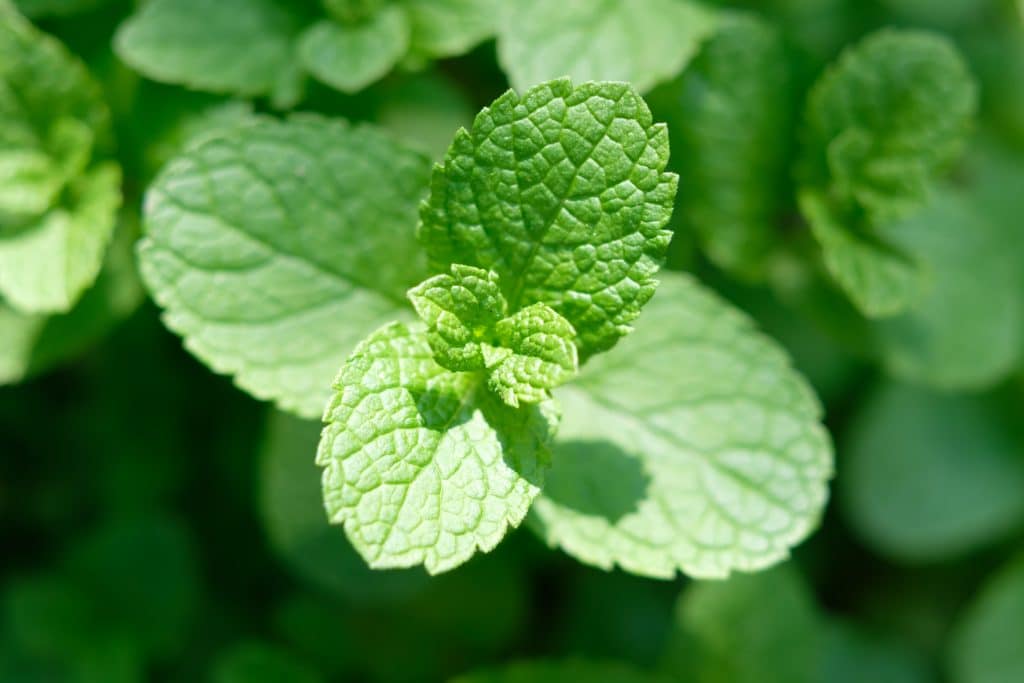
Mint’s refreshing aroma is a favorite in many households for culinary purposes, but it also serves a more defensive role in the garden. This versatile plant naturally repels an array of pests, notably spiders and ants. Its strong scent can mask the smells that attract these pests, making it a top choice for those wanting to maintain a bug-free environment both indoors and out.
However, mint is known for its vigorous growth and can quickly spread, potentially becoming invasive in a garden. It’s recommended to plant mint in containers to restrict its growth and prevent it from overshadowing other plants. Ensure it receives ample water and is placed in a location with partial to full sunlight. With mint in your arsenal, you can enjoy a fresh supply for your culinary delights and simultaneously keep unwanted pests at bay.
Chrysanthemum
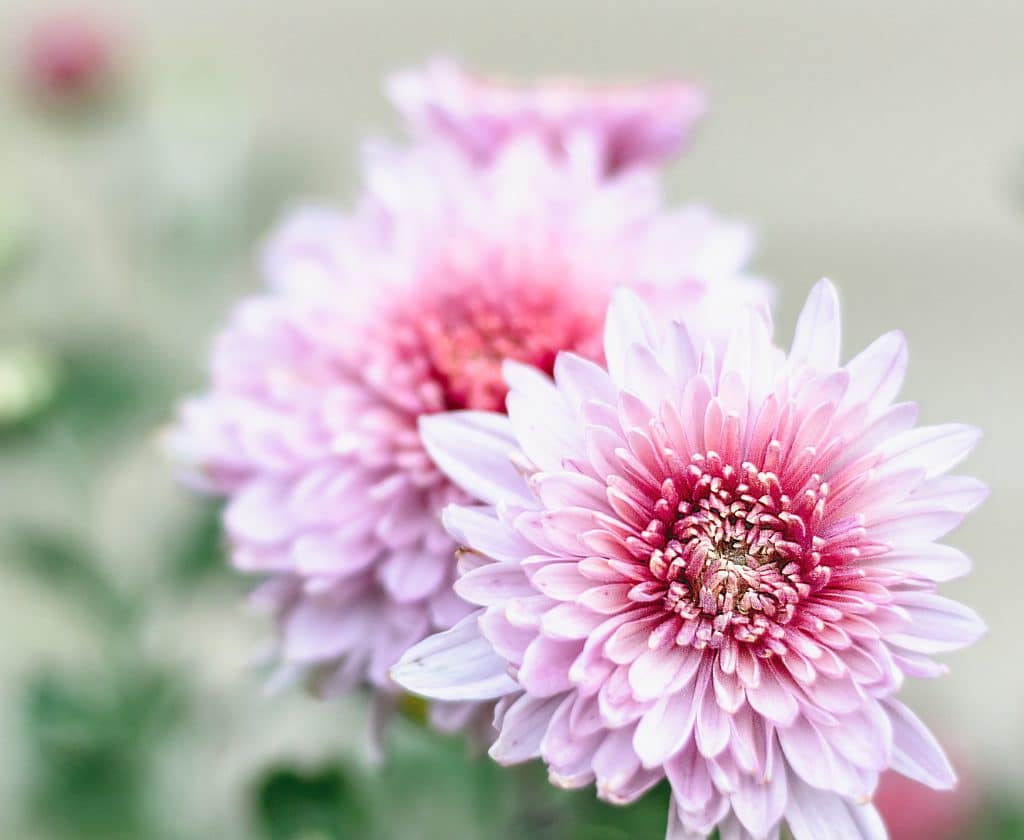
Chrysanthemums, often the centerpiece of many gardens due to their captivating colors and full blooms, pack a hidden punch against pests. These flowers are rich in pyrethrins, a natural insect repellent that’s effective against roaches, ants, ticks, fleas, and even bedbugs. Integrating chrysanthemums into landscaping or even indoor décor not only enhances beauty but also serves as a robust line of defense against several pests.
While these flowers are aesthetically pleasing, their care requires a touch of diligence. They thrive best in well-drained soil with ample sunlight. Ensuring they are watered consistently but not over-saturated is key. And while they act as a barrier against pests, they also attract beneficial pollinators, striking a perfect balance in the garden ecosystem.
Basil
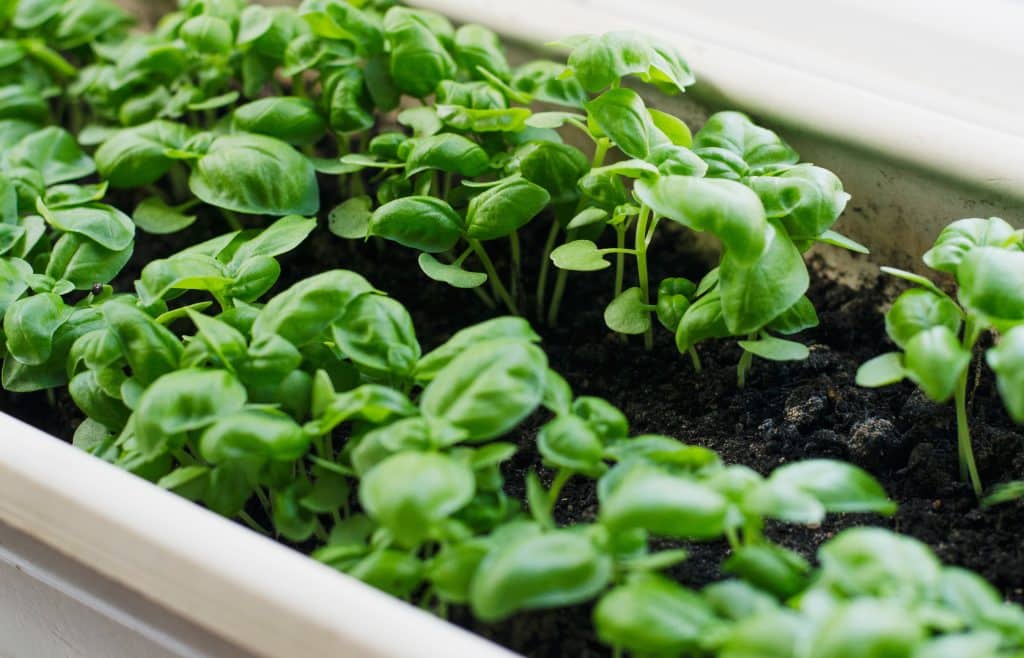
Basil, another culinary favorite, offers more than just a burst of flavor to dishes. This herb, with its unmistakable aroma, naturally repels both mosquitoes and flies. Positioning basil plants near doorways or windows can deter these flying nuisances from venturing inside, ensuring a more comfortable living space, especially during the warmer months.
For those eager to grow basil, it’s good to note that this plant adores the sun. Providing it with six to eight hours of sunlight and regular watering will result in a thriving plant. Whether grown in gardens or pots, basil offers a dual-purpose solution: a readily available kitchen herb and a trusted ally in the battle against bugs.
The Bottom Line
Incorporating specific plants into living spaces can transform them into natural fortresses against pesky bugs. Beyond their visual and aromatic appeal, these botanical choices offer tangible benefits in creating healthier, more comfortable environments. Nature always seems to have a counterbalance, and in the dance of bugs and blooms, these plants clearly lead the waltz. Choosing to surround oneself with such plants is not only an aesthetic decision but also a step toward harmonizing with nature’s intent.
