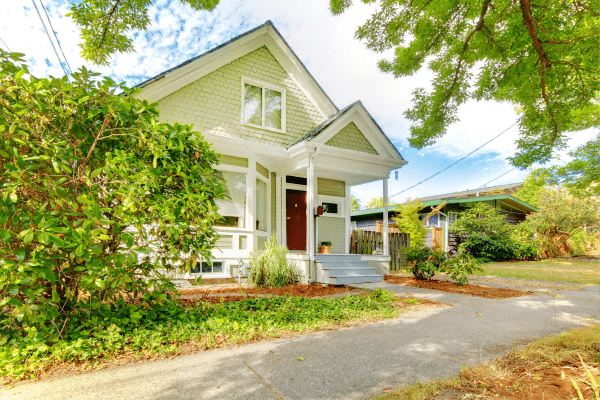
Home styles, much like fashion, change with the times. It’s easy to get comfortable with the design choices made years or even decades ago. However, these choices can inadvertently label a home as outdated, potentially affecting its market value and overall vibe. Recognizing such dated elements is key for homeowners, whether looking to sell or just aiming for a refresh. This post will shine a light on some of the unmistakable tells that a house might be stuck in a bygone era, starting with the once-beloved popcorn ceiling.
Popcorn Ceiling

During the mid-20th century, many homeowners flocked to the trend of popcorn ceilings. Its distinctive texture, resembling popcorn, became a signature of homes built between the 1950s and 1980s. Besides the aesthetic appeal, it was primarily loved for its ability to conceal imperfections and provide sound insulation. This method was a cost-effective way to cover ceiling blemishes without the need for multiple repairs.
However, as time moved forward, the charm of the popcorn ceiling started to wane. For modern homeowners, this texture often becomes a removal project. Not only can it trap dust, but these ceilings also pose potential health risks when asbestos was used in their making, especially before the 1970s. Today, smoother, more minimalistic ceiling options have replaced the popcorn style, providing cleaner lines and easier maintenance.
Shag Carpeting
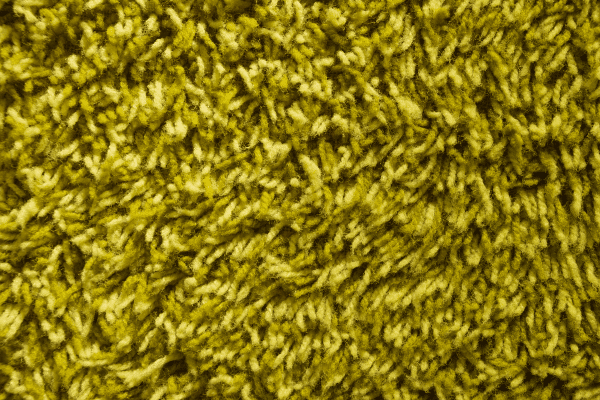
Taking a step back into the 1970s, one might vividly recall the rise of shag carpeting. These deep-pile rugs, famous for their long, soft fibers, were the epitome of luxury and comfort during this decade. Available in a wide range of colors, shag carpets offered homeowners a chance to make a bold statement. Many living rooms and bedrooms of the era were incomplete without this lush carpeting underfoot.
Yet, what was once the pinnacle of style became a maintenance challenge. Those long fibers that were once celebrated trapped more dirt, allergens, and debris, making deep cleaning essential yet cumbersome. Furthermore, the aesthetic appeal of shag carpeting faded as interior design trends shifted towards sleeker and more versatile flooring options. Contemporary homes now favor hardwood, tiles, or shorter-pile carpets that seamlessly blend with various design aesthetics and are significantly easier to maintain.
Wood Paneling
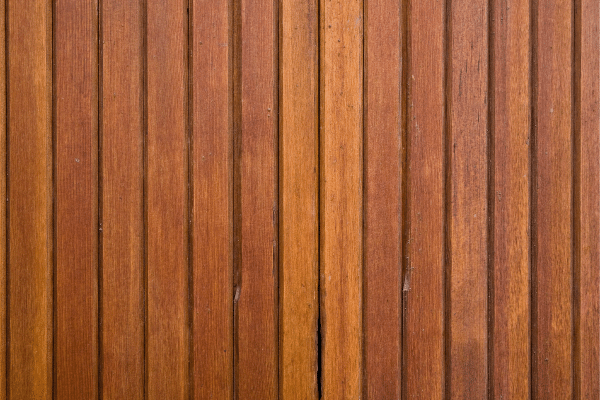
Stepping into homes built or decorated in the 60s and 70s, it wasn’t uncommon to find walls adorned with wood paneling. This design choice, often in darker shades of brown, aimed to impart warmth and a rustic charm to interiors. Homes aiming for a cozy, cabin-like ambiance readily embraced this trend, making it a staple in living rooms, basements, and even bedrooms.
However, as design preferences evolved, wood paneling became less favorable. The dark, often glossy finish started to give rooms a closed-off, dim appearance, especially when compared to the airy and bright spaces preferred today. Contemporary interior designs lean more towards neutral or light-colored walls, which can be easily customized with paint or decorative elements. As a result, wood paneling has mostly been relegated to specific thematic decors or has been painted over for a more modern appeal.