

White Appliances

In past decades, white was the undisputed champion when it came to appliance colors. Refrigerators, ovens, and washing machines sporting a pristine white hue signaled cleanliness and simplicity. These appliances seamlessly blended with a myriad of kitchen and laundry room designs, making them a safe and universally accepted choice.
Shift to the present era, and the dominance of white appliances has been challenged. Stainless steel, matte finishes, and even colors like black or navy have entered the scene, offering a more contemporary look. These new finishes not only align with the evolving aesthetics of modern kitchens and homes but also often come with advanced features and functionalities. While white appliances aren’t entirely obsolete, they are no longer the go-to choice for those seeking a modern touch to their interiors.
Patterned Wallpaper
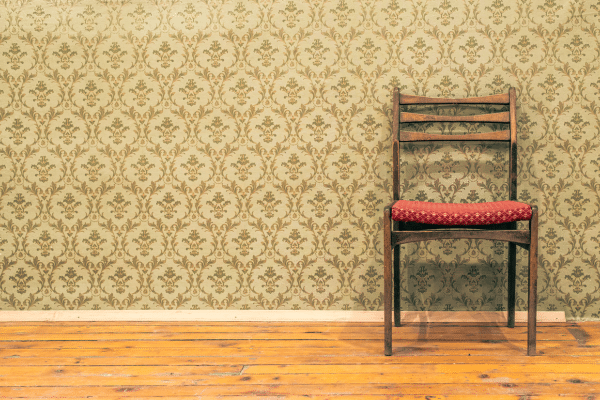
There was a time, particularly in the 80s and 90s, when walls dressed in patterned wallpaper were all the rage. Floral designs, geometric shapes, and bold stripes found their way into households, allowing homeowners to exhibit personal style and creativity. An elaborate wallpaper pattern could transform an ordinary room into a stylistic statement.
However, with the turn of the century, tastes began to change. Large and loud patterns started to be perceived as overwhelming and confining. Today’s preference leans towards more muted tones, solid colors, or subtle patterns that grant flexibility in interior decor. Paint, in particular, has become a favored choice, as it offers a vast palette of shades and is easier to update or modify, reflecting the ever-evolving tastes in home design.
Tiled Countertops

Once a popular choice for both kitchens and bathrooms, tiled countertops enjoyed a prominent position in home design for years. Their popularity stemmed from both functionality and aesthetics. Tiles were durable, resistant to heat, and available in a plethora of colors and designs. This allowed homeowners to achieve a custom look, mixing and matching tiles to suit their individual preferences.
Yet, as time progressed, the drawbacks of tiled countertops became more evident. The grout lines, which often trapped food particles and stains, required regular maintenance to prevent discoloration and bacterial growth. Additionally, the uneven surface posed challenges, especially in the kitchen where a flat workspace was crucial. As a result, solid surface countertops, such as granite, quartz, and even polished concrete, began to rise in popularity, offering both functionality and a sleek, modern aesthetic.
Linoleum Floors
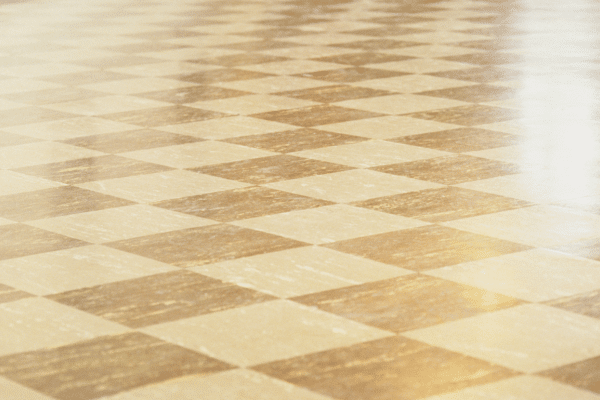
Linoleum, a blend of linseed oil, cork, and other organic materials, was once hailed as the future of flooring. During its heyday, it was favored for its affordability, durability, and the diversity of patterns it offered. Its resilience made it a preferred choice for high-traffic areas like kitchens, hallways, and even commercial spaces.
However, as the years passed, newer flooring options began to overshadow linoleum. Concerns arose about its susceptibility to discoloration, especially when exposed to sunlight. Moreover, the advent of luxury vinyl plank flooring and improved versions of laminate flooring provided a similar look and feel but with enhanced durability and design options. These alternatives, coupled with the timeless appeal of hardwood, meant that linoleum’s position in contemporary homes started to diminish.
The Bottom Line
Styles, tastes, and preferences in home design are fluid and continually evolving. What was once the height of interior design might now be viewed as a relic of the past. Recognizing outdated features in a home is essential for those aiming to sell or seeking a contemporary refresh. Yet, it’s equally vital to understand that design is subjective, and while trends come and go, the comfort and happiness a space brings to its inhabitants is paramount. After all, a home is not just a showcase of trends but a reflection of the lives lived within its walls.