
Managing cooking grease properly isn’t just about kitchen cleanliness, it’s an essential practice that affects the environment, household plumbing, and overall waste management. With a multitude of misconceptions swirling around, it’s crucial to know the optimal ways to handle this ubiquitous kitchen byproduct. By understanding the ideal methods to deal with grease, individuals can make informed decisions that benefit their homes and the environment alike.
Contents
Ways To Deal With Cooking Grease
Storing Grease For Later Use
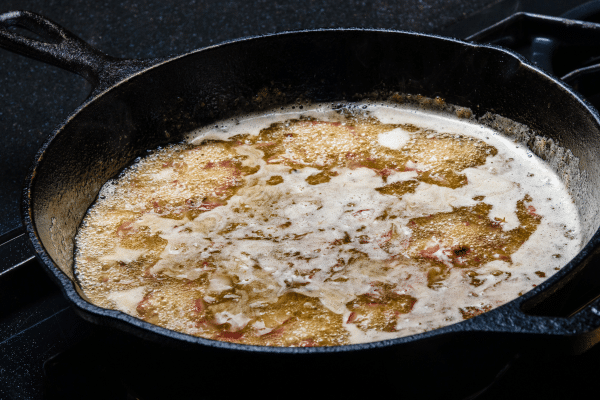
Reusing cooking grease can be both an eco-friendly and economical choice. By storing it correctly, not only does one minimize waste, but they also have a ready supply for certain dishes that might benefit from its unique flavors. Glass jars, metal cans, or special grease containers are great options for storage, ensuring the grease remains uncontaminated and fresh for reuse.
Filtering the grease before storage is key to its longevity. Any remnants of food particles or debris can cause the grease to spoil or produce unwanted flavors. A simple strainer or cheese cloth can be used to filter out these particles. Once filtered, allowing the grease to cool down before transferring to its storage container will help in preserving its quality.
Recycling Cooking Grease

Recycling cooking grease is a practice that’s gaining traction, especially in urban settings. The converted grease often finds its way into biodiesel production, offering a renewable energy source. Many municipalities and certain businesses have set up collection points, making it easier for households to drop off their used grease, turning what was once waste into a valuable resource.
In addition to the environmental benefits, recycling grease can play a significant role in community waste management. Blocked sewage systems and clogged drains are often the unfortunate result of grease being poured down sinks. By choosing to recycle, one is actively contributing to the prevention of these issues, ensuring smooth running sewage systems and reducing potential repair costs for the community.
Compost Cooking Grease

Contrary to popular belief, cooking grease can be composted, albeit with some considerations. When added to compost in small amounts, grease can provide essential fats that benefit microbial life. However, it’s essential to be cautious with the quantity because excessive grease can create a barrier that prevents moisture and air from penetrating the compost pile, hindering the decomposition process.
Grease should never be the dominant component in compost. Interspersing thin layers of grease with carbon-rich materials like leaves or shredded newspaper can help in its breakdown. Furthermore, regular turning of the compost ensures even distribution and aids in avoiding any potential odor issues. Mixing grease with other kitchen waste like vegetable peels or fruit scraps can also enhance the overall composting process.