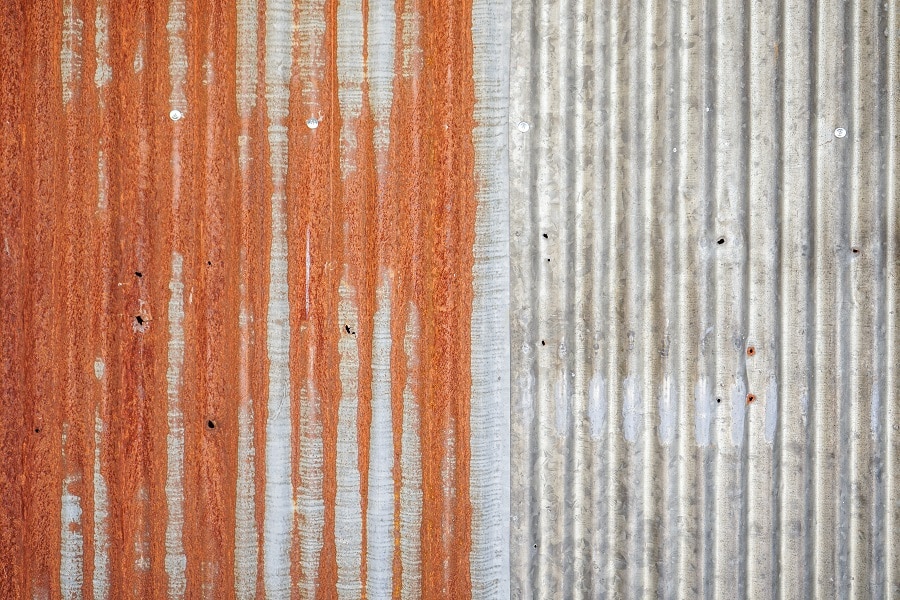
Rust, the orange-brown enemy of metals, can be a significant problem, costing both time and money for repairs and replacements. From your outdoor furniture to your prized vehicle, rust spares no one and quietly erodes the value of your possessions. With the array of rust prevention products flooding the market, making a choice can be overwhelming. This article aims to demystify rust prevention by exploring its underlying science, comparing various prevention methods, and listing some of the best products in different price ranges. Whether you’re looking for a budget-friendly solution or a premium product, this comprehensive guide will equip you with the knowledge you need to make an informed decision.
Understanding Rust

Rust occurs due to a process known as oxidation, where iron reacts with water and oxygen to form hydrated iron(III) oxide, commonly known as rust. While the chemistry might sound complicated, what’s simple is that moisture and air are the leading causes. Understanding why rust occurs can help you adopt effective prevention methods and choose the right products tailored to your needs.
Different materials and objects, such as outdoor furniture, cars, and tools, are susceptible to rust. Though many of these items often come with a certain degree of rust resistance, it’s usually not enough for long-term protection. The key to effective rust prevention lies in understanding the specific needs of each material and environment. Selecting a product that aligns with these requirements ensures you take the most effective measures possible.
Rust Prevention vs. Rust Treatment
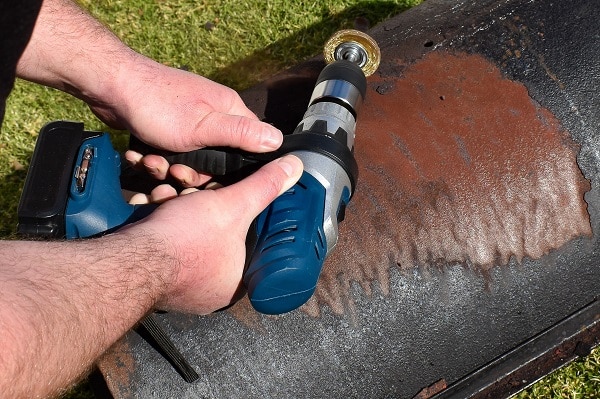
Rust prevention and rust treatment are two sides of the same coin but serve different purposes. Prevention methods aim to create a barrier between the metal and elements like moisture and oxygen. The focus here is to stop rust from forming in the first place. Products designed for rust prevention are usually long-lasting and can create a virtually impenetrable barrier for extended periods.
On the other hand, rust treatment targets already-rusted areas. It often involves using chemicals to convert rust back to stable metal or make it easier to remove. Unlike prevention products, treatment solutions can’t guarantee long-term effectiveness; they are more reactive than proactive measures. Knowing when to use prevention or treatment products can be crucial, as the wrong choice can lead to wasted time and resources.
Types of Rust Prevention Products
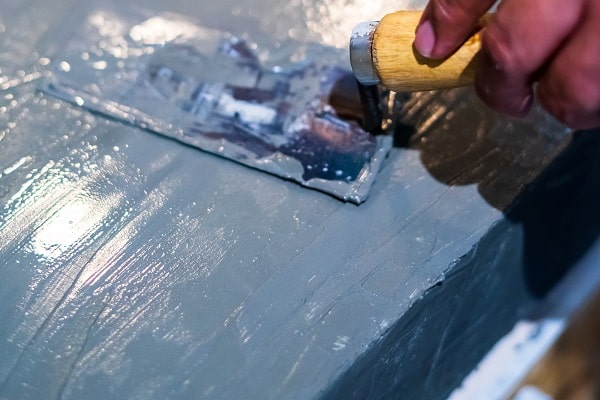
The market is saturated with various rust prevention products, each with pros and cons. Coatings and paints, for example, are highly effective for larger surfaces. They create a physical barrier that protects metal from the elements. However, they usually require more time and effort to apply, and some products may contain harmful chemicals that can harm the environment.
Sprays and oils are more convenient and easier to apply, suitable for tools and smaller objects. They can also penetrate more intricate areas, providing a better overall coating. However, sprays and oils are usually not as durable as coatings and paints and may need to be reapplied more frequently. Though less common, electronic rust protection utilizes a small electric charge to inhibit the oxidation process. While an intriguing technology, its effectiveness is still debated and may not be the ideal solution for everyone.