
Safe Storage Of Perishable Items
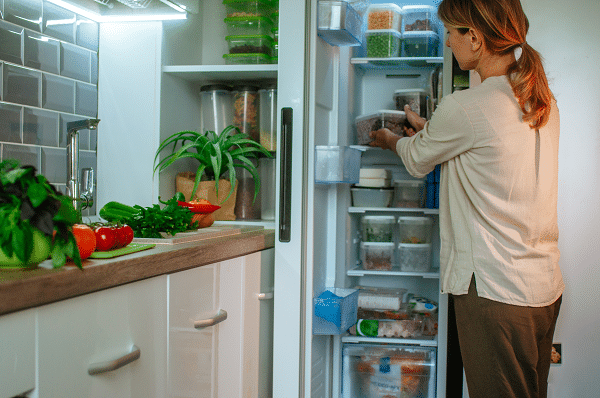
Despite their shorter shelf lives, perishable items can still play a vital role in an emergency food supply. For instance, many dairy products, meats, and select vegetables can be frozen, extending their usability far beyond their typical expiration dates. When using a freezer, it’s essential to ensure that the appliance maintains a consistent temperature and that foods are packaged securely to prevent freezer burn.
While freezing is one solution, there are other methods to prolong the life of perishables. Canning, for example, can preserve fruits, vegetables, and meats for extended periods. Pickling and fermenting also act as preservatives, transforming perishable items into longer-lasting foods. Each method has its benefits and techniques, but they all serve the primary purpose of enhancing the longevity of foods that would otherwise spoil quickly.
Water: The Overlooked Essential

Water, often taken for granted, becomes a critical resource during emergencies. A person can survive without food for several weeks, but only a few days without water. For this reason, storing ample water should be a top priority. When setting aside water for emergencies, it’s crucial to use clean, food-safe containers and to store them away from chemicals or contaminants to ensure purity.
While many focus solely on drinking water, it’s equally vital to consider water for other purposes, such as cooking or hygiene. Boiling and purifying methods can help make questionable water sources safe for consumption. Additionally, investing in water purification tablets or portable filters can be a lifesaver, especially when the primary water supply becomes compromised. It’s also worth noting the importance of routinely checking stored water and rotating it to ensure freshness and safety.
Protecting Your Food Stash

Ensuring the longevity and usability of an emergency food stash goes beyond just the initial storage. Pests, including rodents and insects, can pose significant threats to food supplies. Investing in durable, airtight containers, and keeping the storage area clean can deter these unwelcome guests. It’s also essential to check stored food routinely for any signs of contamination or infestation to handle any issues promptly.
External factors such as moisture and temperature fluctuations can also impact food quality. Silica gel packets or desiccant canisters can help maintain dryness within storage areas, especially in humid climates. Storing food in a consistent, cool environment, away from direct sunlight or heat sources, can further preserve the nutritional value and taste of stored items, ensuring they remain viable when needed most.
Planning And Practice: Making A Mock Emergency

Preparation for emergencies extends beyond merely storing items. Running a mock emergency scenario can provide invaluable insights into the actual usability and sufficiency of the stored resources. During this test run, relying solely on the stored food and water for a set duration can spotlight gaps in the food storage plan or areas for improvement.
A mock emergency can also shed light on the practicality of meal preparation with limited resources. Evaluating the ease of accessing items, the variety of meals that can be made, and the nutritional balance of those meals can lead to adjustments that ensure a smoother experience during a real crisis. It’s an opportunity to refine strategies and foster confidence in one’s preparedness efforts.
The Bottom Line
Being prepared for emergency situations provides not just physical sustenance but also peace of mind. Properly stored food and water, protected from pests and external factors, become a beacon of hope and reassurance during challenging times. Regular checks, combined with mock emergency scenarios, can fine-tune preparedness plans, making them more effective and reliable. In the end, the effort invested in preparing today can significantly mitigate the uncertainties and hardships of tomorrow.
