
Upgrade Your HVAC System
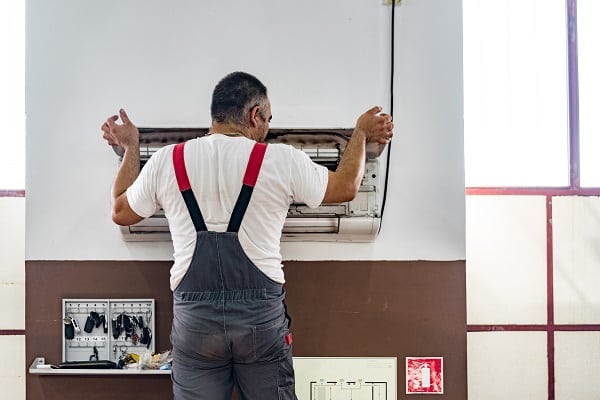
Your HVAC system can be a significant source of allergens, circulating dust, pollen, and other particles throughout your home. An efficient and well-maintained HVAC system can significantly reduce the concentration of these allergens. Regular maintenance, including cleaning and replacing filters, is crucial.
When it comes to filters, consider investing in HEPA filters for your HVAC system. These filters can trap tiny particles, reducing the number of allergens in your home. Remember, filters should ideally be replaced every three months, but it may be more frequent if you have pets or a high concentration of allergens.
Use Allergy-Proof Beddings
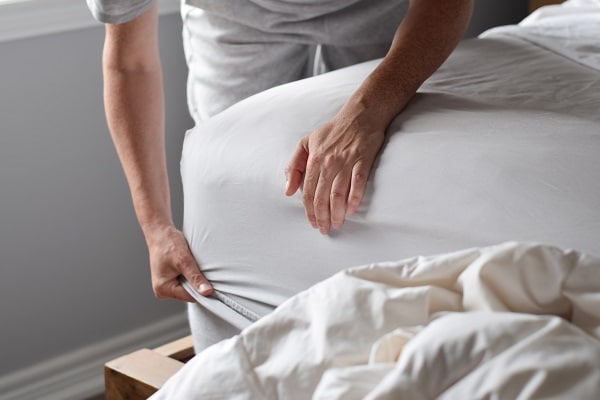
Your bed can be a hotspot for allergens, especially dust mites. They thrive in the warm and humid environment of your bed and feed on the skin cells you shed. To prevent this, consider investing in allergy-proof beddings, including mattress covers, pillowcases, and duvet covers. These materials are designed to prevent dust mites from settling in your bedding.
Additionally, make sure to wash your bedding regularly in hot water to kill any dust mites and remove allergens. It’s recommended to do this at least once a week. With allergy-proof beddings and regular washing, you can make your bed a safe haven from allergens.
Keep Pets Off Furniture And Out Of Bedrooms

If you’re allergic to pet dander, you need to take extra measures to keep your home allergy-friendly. Pet dander can easily get into your furniture and bedding, causing your allergy symptoms to flare up. Therefore, as much as you love your furry friends, it’s best to keep them off your furniture and out of your bedrooms.
Make designated areas for your pets where they can relax and play. This will help contain pet dander to certain areas of your home, making it easier to clean. Additionally, regular grooming and bathing of your pets can also significantly reduce the amount of dander they shed.
Control Humidity Levels

High humidity levels can encourage the growth of mold and dust mites, both of which are common allergens. To prevent this, it’s essential to maintain an optimal humidity level in your home, ideally between 30% and 50%.
To control humidity, consider using dehumidifiers in areas prone to dampness, such as bathrooms and basements. Additionally, ventilation is key. Make sure your home is well-ventilated, especially when cooking, showering, or doing laundry.
Use Allergy-Friendly Cleaning Products
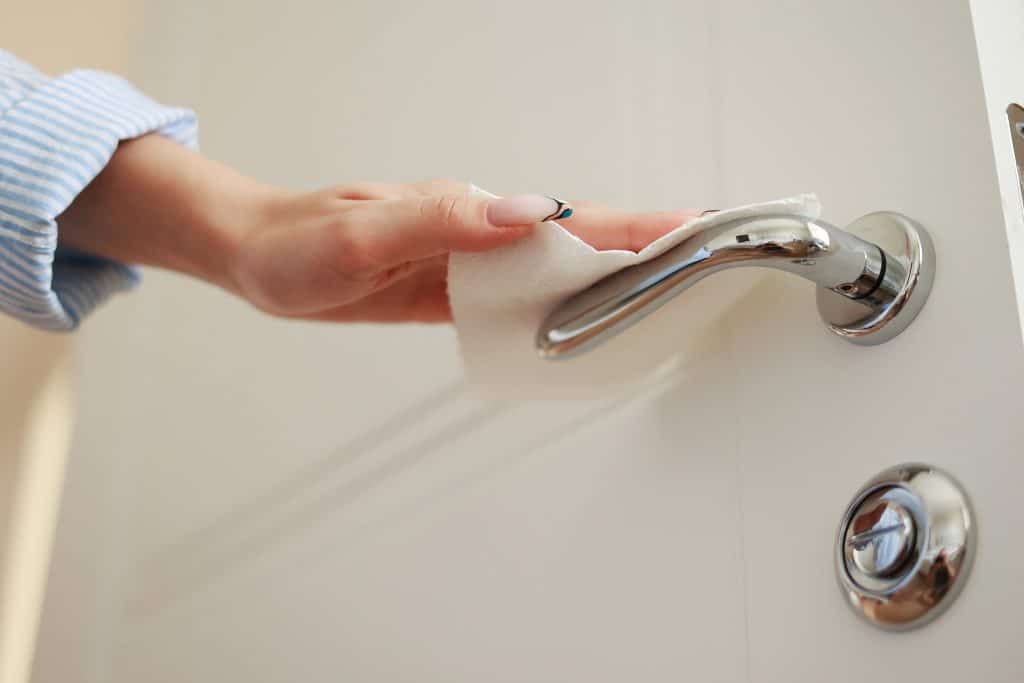
Some cleaning products contain chemicals that can irritate the respiratory system and trigger allergy symptoms. To avoid this, opt for allergy-friendly cleaning products. These products are free from harsh chemicals and are less likely to trigger allergic reactions.
When choosing cleaning products, look for those labeled as hypoallergenic or designed for sensitive skin. Additionally, consider using natural cleaning products, such as vinegar and baking soda. They’re not only good for your allergies, but they’re also good for the environment!
Create An Allergy-Friendly Home Today!
Creating an allergy-friendly home is an ongoing process, but with the steps provided in this guide, it’s an achievable goal. By identifying your allergens, maintaining cleanliness, controlling humidity, and using allergy-friendly products, you can significantly reduce allergens in your home. Remember, the goal is not just to alleviate your current allergy symptoms but to create a healthier living environment for everyone in your household.