Seal The Gaps
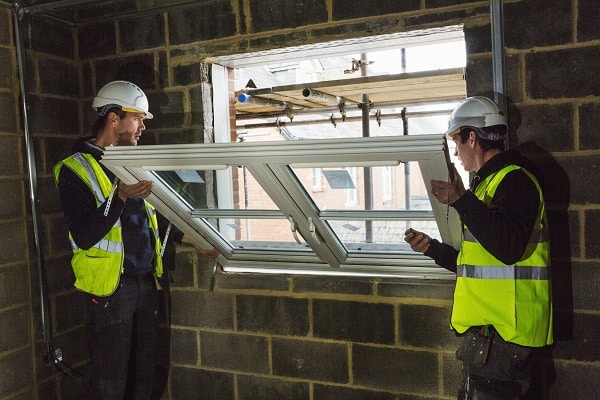
Every gap is a possible source from where the noise can come in. Filling the gaps with caulk (a noise-proof latex-based sealant) reduces the sound transmission without interfering with the purpose of the windows.
By far, this is the cheapest step you can take, as the other two listed above require a heavy investment.
Curtains To Your Rescue

You might have noticed how sound echoes in an empty house. If you fill the windows with upholsteries, the echo will die out. The furniture and curtain can absorb noise. Hanging curtains that can dampen the sound are heavy fabrics that are capable of absorbing sounds. However, the effect is not too high but is noticeable.
Insulation On Walls

Though windows owe a major contribution in letting in the noises, different types of walls have a different power to transmit sounds, for example, stones more than woods. There are panels available that muffle the sound to a large extent.
The General Effect Of Loud Sounds

The sound is bearable, but when they become noises, it results in a loss of peace of mind and body.
Exposure to excess noise levels is a primary reason for many cardiovascular diseases, hypertension, and noise-induced hearing loss. Excessive noise can also cause sleep disturbances, bringing many other health issues like constant fatigue and headaches.
The environmental noises won’t cease. With advancing technology touching greater peaks every day, the noise level is increasing. However, the alarming rates at which they are interfering with people’s lives and health are rising concerns that need to be addressed.
The Number Recommended Vs. Our Daily Life

The WHO (World Health Organization) recommends several qualitative data about the maximum permissible noise exposure, based on several experiments and data collected. For example, it limits the maximum day-time noise near housing to be 50 dB, while in hospitals, the noise should not exceed 40 dB at night.
A general conversation amounts to 60 dB, traffic amounts to 85 dB, and machines like a blow dryer, blender, vacuum, etc., can be up to 80 dB noise. Other sounds that are too loud are drills which make 95 dB, construction work which may go beyond 120 dB.
Continuous exposure to noise above 85 dB may result in the side effects of noise pollution. People who are sensitive to sounds like older adults, babies, and pets must not be exposed to loud noises.
Conclusion
Noise is one of the major contributors to air pollution. It impacts the health of the general public. Following simple steps may result in lowering the sound levels inside your homes. Though a bit costlier, it is worth more than bearing lifelong consequences of loud noises.