


Safe Removal and Abatement Options

Once asbestos is identified, homeowners face the decision of removal or management. Asbestos abatement professionals can safely remove or encapsulate asbestos-containing materials. Removal is often recommended when asbestos is in poor condition or if major renovations are planned.
However, removal is not always the best or necessary option. In some cases, encapsulation – sealing off asbestos materials – is a safer and more cost-effective method. Professionals should make this decision considering the asbestos’s condition and the homeowner’s future plans for the property.
Legal and Insurance Considerations

Dealing with asbestos in homes also involves navigating legal and insurance considerations. Laws and regulations around asbestos management vary by region but generally include safe removal and disposal requirements. Non-compliance can lead to legal liabilities and fines.
From an insurance perspective, asbestos removal or damage from asbestos may not be covered under standard home insurance policies. Homeowners need to understand their policy details and consider additional coverage if necessary. Furthermore, selling a property with known asbestos requires disclosure, impacting real estate transactions.
Preventive Measures and Ongoing Management
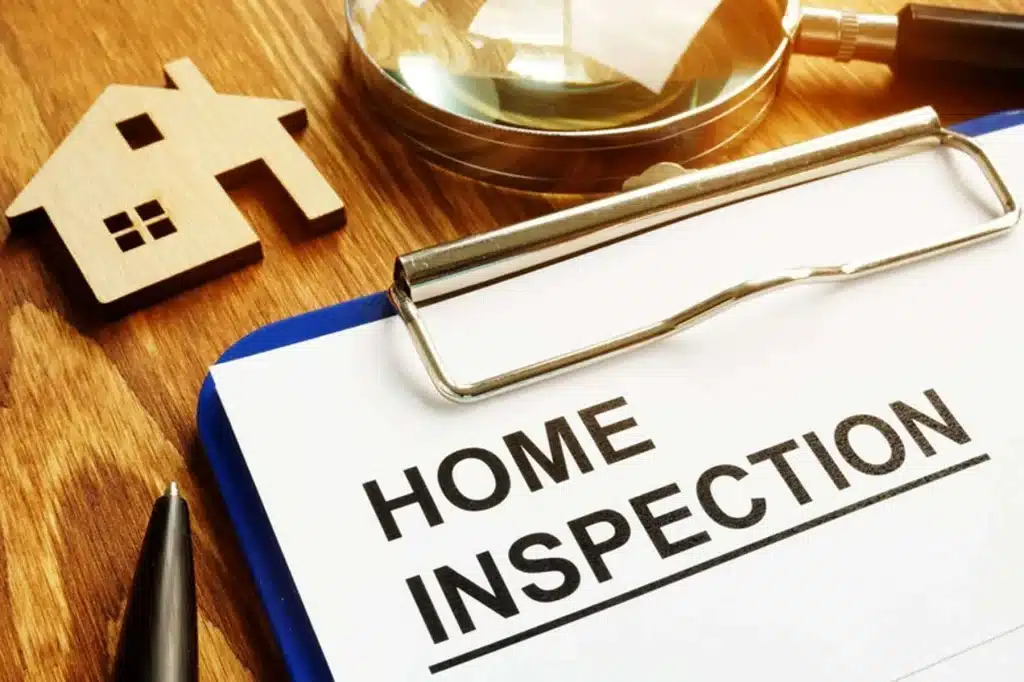
Preventing asbestos exposure in older homes is key to maintaining a safe living environment. Regular inspections, particularly in homes built before the 1980s, can identify potential asbestos hazards before they become a problem. Homeowners should be vigilant about the condition of materials likely to contain asbestos, such as old insulation, tiles, and roofing.
Ongoing management is a viable option for asbestos that is currently in good condition and does not pose an immediate risk. This includes monitoring the condition of asbestos-containing materials and ensuring they are not disturbed. Simple measures, like avoiding drilling or cutting into suspect materials and keeping an eye out for wear and tear, can significantly reduce the risk of asbestos exposure.
Community Resources and Support
Navigating asbestos issues in older homes can be overwhelming for homeowners. Fortunately, there are community resources and support networks available. Local health departments often provide information and guidance on asbestos in homes, including how to identify it and what steps to take if it’s found.
Additionally, homeowner associations and community groups can be valuable sources of support. They can offer recommendations for certified asbestos professionals and share experiences about dealing with asbestos in the neighborhood. Leveraging these resources helps homeowners make informed decisions and take appropriate action.
Innovations in Asbestos Detection and Removal
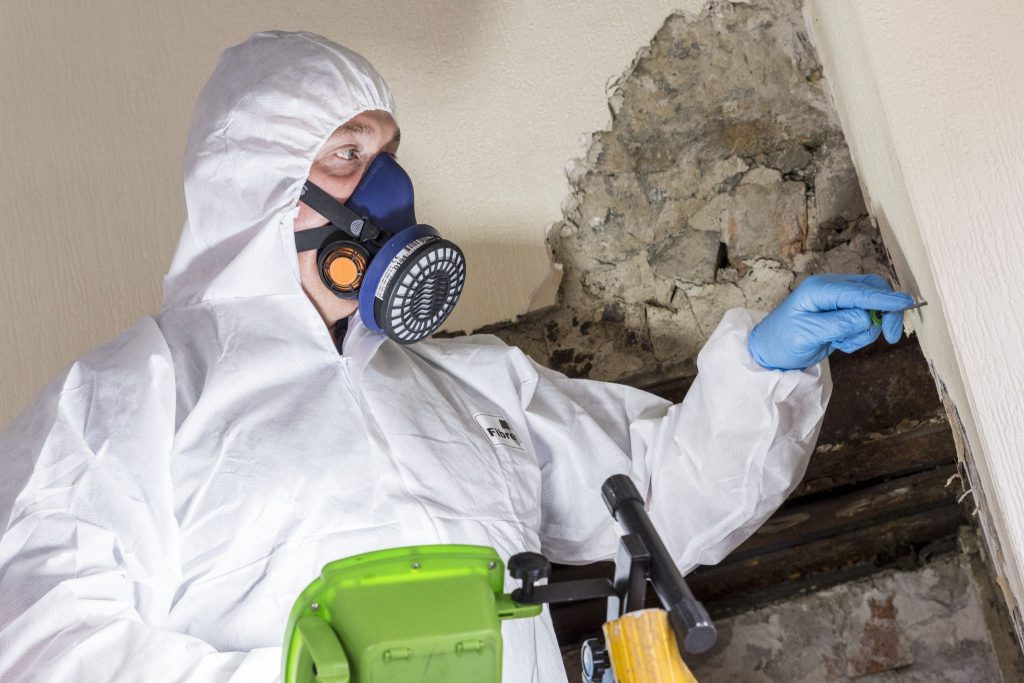
Advancements in technology have led to innovations in asbestos detection and removal, making these processes safer and more efficient. New detection methods, such as advanced imaging techniques and portable testing kits, allow for quicker and more accurate identification of asbestos in homes.
In terms of removal, modern techniques and equipment have significantly reduced the risks associated with asbestos abatement. Encapsulation materials and improved protective gear for workers exemplify how the industry has evolved. These advancements enhance safety and make the process less disruptive for homeowners.
The Bottom Line
Asbestos in older homes remains a silent but significant threat. Awareness, proper identification, and safe management are essential for protecting health and ensuring safety. The journey from detecting to effectively dealing with asbestos involves understanding its history, recognizing the health risks, and navigating legal and insurance complexities. Homeowners are encouraged to seek professional advice, leverage community resources, and stay informed about asbestos detection and removal advancements. Ultimately, the collective efforts in managing and mitigating asbestos risks pave the way towards healthier, asbestos-free living environments. This comprehensive approach is crucial in safeguarding not just individual homes but entire communities from the hidden dangers of asbestos.