
Contents
Poor Soil Quality
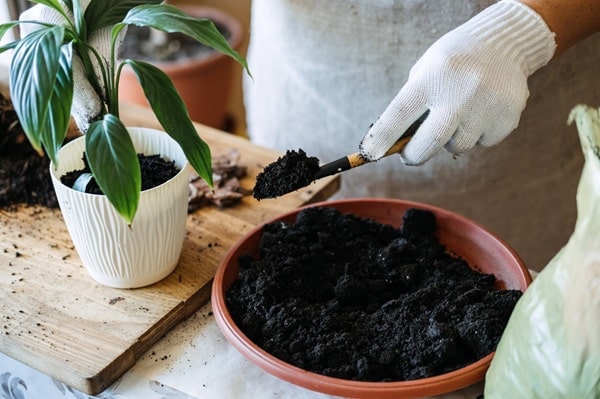
The quality of the soil is fundamental to plant health as it provides the necessary nutrients and support for root growth. Using the wrong type of soil, such as garden soil, for houseplants can lead to poor drainage and compaction, which stifles root development. Additionally, neglecting to refresh the potting mix periodically can result in nutrient depletion, affecting plant health.
To ensure your plants thrive, select the appropriate soil mix tailored to each plant’s needs. For example, cacti and succulents require a well-draining mix, while tropical plants may benefit from a richer, more moisture-retentive soil. Regularly amending the soil with organic matter like compost or perlite can improve its structure and nutrient content. Proper soil care is essential for providing a stable and nourishing environment for your houseplants.
Ignoring Pest Problems
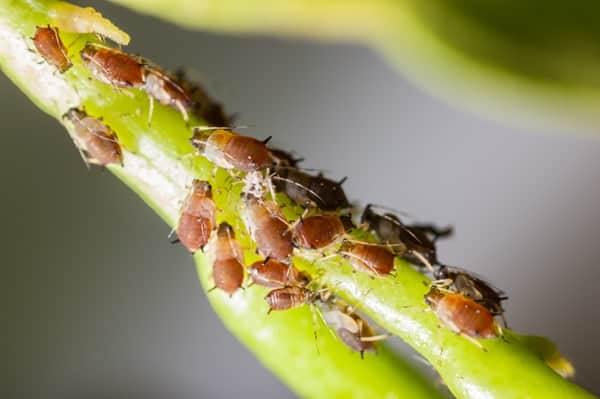
Pest infestations are a common issue that can severely damage houseplants if left unchecked. Common pests include aphids, spider mites, and mealybugs, which can cause discolored or damaged leaves, stunted growth, and even plant death. Identifying pest problems early is crucial to preventing extensive damage.
Signs of pest infestations include the presence of tiny insects, sticky residue on leaves, or webbing on plant surfaces. Regularly inspecting your plants can help you catch these issues early. Natural pest control methods, such as using insecticidal soap or introducing beneficial insects, can be effective in managing pest populations. Quarantining new plants before introducing them to your collection can also help prevent the spread of pests. Vigilance and prompt action are key to protecting your plants from pest-related harm.
Lack of Humidity
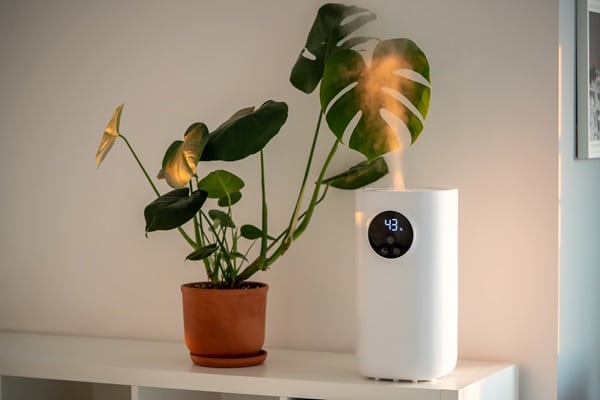
Humidity plays a crucial role in the health of many houseplants, particularly those native to tropical environments. When the air is too dry, plants can struggle to maintain hydration, leading to issues like brown leaf tips, edges, and increased leaf drop. This is especially problematic in winter when indoor heating systems can significantly reduce humidity levels.
To address low humidity, consider using pebble trays filled with water beneath your plants, which can help increase the local humidity around them. Another effective method is to use a humidifier, particularly for humidity-loving plants like ferns and orchids. Grouping plants together can also create a microenvironment with higher humidity levels. Misting plants can provide temporary relief, but it’s important to ensure this method does not promote fungal growth. By taking steps to increase humidity, you can help your plants maintain their health and vibrancy.
Ensuring Healthy Houseplants
Avoiding common mistakes is key to enjoying the beauty and benefits of healthy houseplants. By being mindful of overwatering, underwatering, light conditions, proper potting, soil quality, pest management, and humidity, you can create an optimal environment for your plants. Regularly monitoring and adjusting your care routine based on your plants’ needs will promote robust growth and vitality. With the right knowledge and practices, you can transform your indoor space into a thriving green oasis, enhancing both your home and well-being. Happy planting!