
Contents
Wasteful Energy Habits
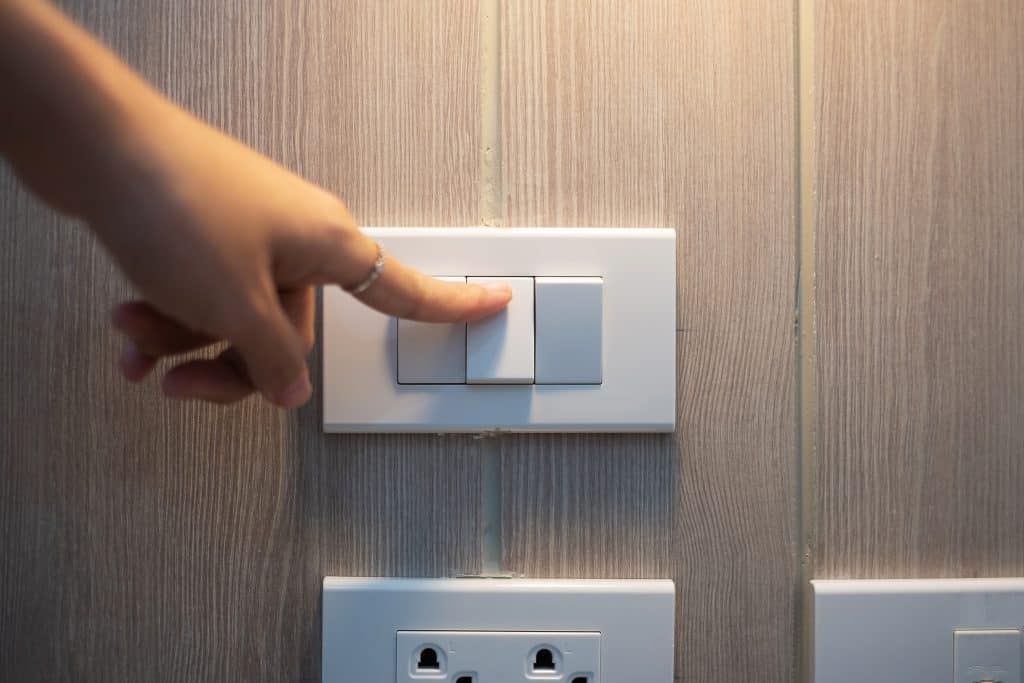
Leaving lights on in empty rooms or running appliances when they’re not needed might seem harmless, but these habits can have a significant impact over time. Not only do they contribute to skyrocketing utility bills, but they also increase your carbon footprint. The cost of convenience can be high, affecting both your wallet and the environment. Small changes, like turning off lights when leaving a room or using energy-efficient appliances, can make a big difference.
Moreover, energy wastefulness isn’t just about electricity. Wasting water by letting the tap run or taking excessively long showers also contributes to inefficiency. These habits strain natural resources and can lead to higher costs in areas where water is scarce. Being mindful of energy usage is not just good for your home; it’s a responsible choice for the planet.
Poor Food Storage
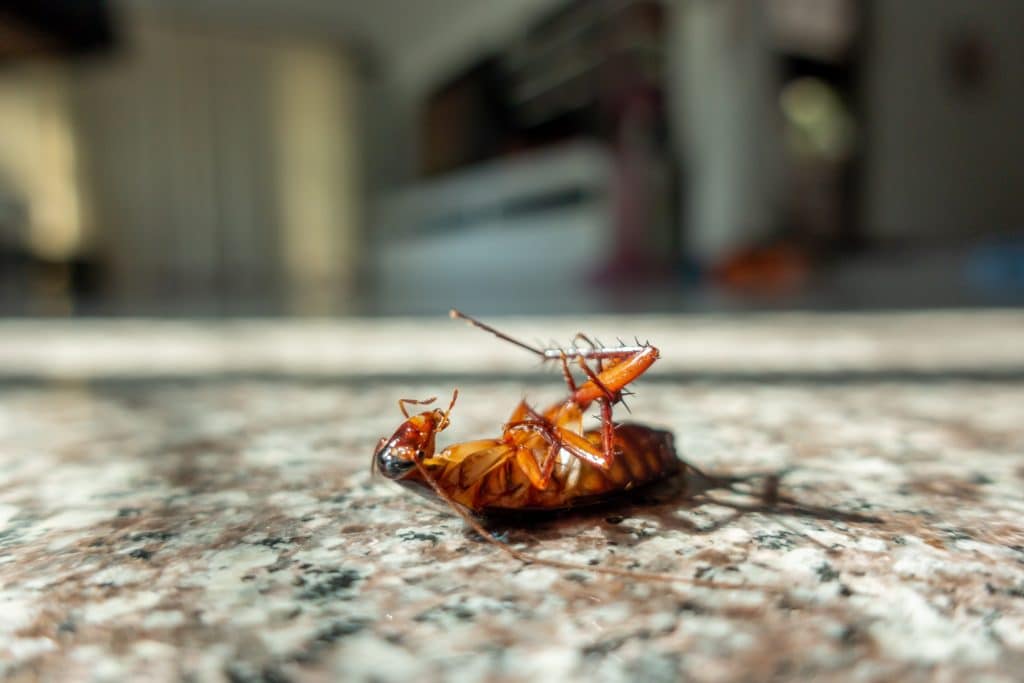
A loaf of bread on the counter or an open bag of chips might not seem like a big deal, but poor food storage can invite unwanted guests into your home. Pests like ants, roaches, and rodents are attracted to easily accessible food. Once they find a way in, getting rid of them can be a challenging and costly endeavor. Properly sealing food items and storing them in the right places can save you a lot of trouble down the line.
The consequences of poor food storage extend beyond pest control. Improperly stored food can spoil faster, leading to waste and potential health risks. The habit of leaving food out or not sealing it correctly can also attract bacteria, posing a risk to your family’s health. Therefore, it’s crucial to store food properly to maintain a clean and healthy home environment.
Neglecting Indoor Air Quality

Air quality is often overlooked because it’s not something you can easily see or touch. However, poor indoor air quality can have immediate and long-term health effects. Lack of ventilation can lead to a buildup of pollutants like dust, pet dander, and even volatile organic compounds from household products. These can exacerbate allergies and contribute to respiratory issues.
Toxic air fresheners or candles might mask odors, but they can also introduce harmful chemicals into your living space. Opting for natural alternatives and ensuring good ventilation can significantly improve indoor air quality. Investing in air purifiers or houseplants that purify the air are also excellent ways to make your home healthier and more comfortable.
Taking Action To Safeguard Your Home
Your home’s well-being is a mirror of your daily habits, and this post has spotlighted some of the most damaging ones. Awareness is the first step toward meaningful change. There’s no need to tackle all these issues at once; even minor, incremental adjustments can yield significant improvements. Start with just one or two changes, and you’ll be on your way to creating a home that’s not just a living space but a sanctuary for you and your loved ones. With each positive change, you’re building a foundation for a happier, healthier home for years to come!