Excessive Open Shelving
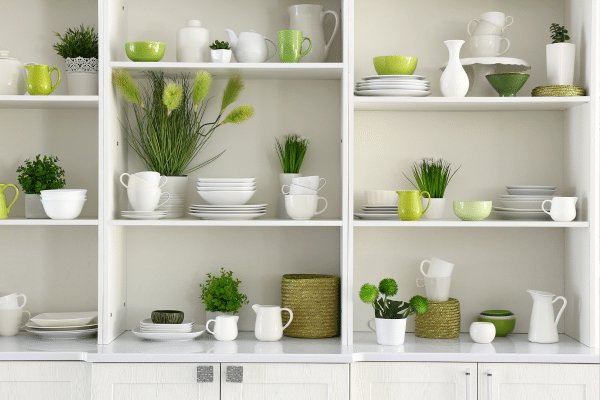
There’s no denying that open shelving has its merits. It offers easy access to everyday items and can make a room feel airy and uncluttered. However, there’s a catch. Everything is on display, which means a constant pressure to maintain an impeccable arrangement. One misplaced item or a bit of clutter can throw off the entire look, making a space feel chaotic rather than calm.
Another overlooked challenge of open shelving is dust. Items left out in the open accumulate dust faster than those stored behind closed doors. This means frequent cleaning and dusting of each individual item. In high-traffic areas, especially kitchens, the combination of dust and grease can create a layer that’s particularly challenging to clean.
Neon Colors in Large Quantities
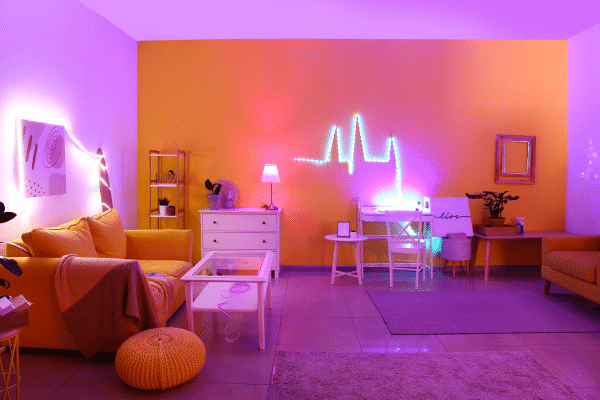
Bright, bold neon colors can infuse energy and vibrancy into a room. They can act as statement pieces, drawing attention and sparking conversation. However, when used excessively, these vivid hues can become overwhelming. Rooms drenched in neon might lead to sensory overload, making it hard to relax or focus.
Trends come and go, and while neon might be the color du jour, its appeal might wane as time goes on. Investing heavily in such a transient trend can lead to regret down the line. Moreover, neon colors can pose challenges when trying to sell or rent a property, as potential buyers or tenants might find them too jarring. It’s always advisable to use such bold hues in moderation, balancing them with neutrals for a more harmonious look.
Oversized Furniture in Small Spaces

While spacious sofas and large coffee tables can be a dream in roomy interiors, they can spell disaster in more constrained spaces. Oversized furniture in smaller rooms not only consumes physical space but also visually overwhelms, giving the illusion of even less room than there actually is. Moving around becomes a challenge, with furniture dominating walkways and obstructing flow.
Moreover, the beauty of smaller rooms often lies in their coziness and intimacy. Filling them with furniture that’s too large can rob them of this charm. Instead of feeling snug and inviting, the room might come off as cramped and poorly planned, detracting from the overall ambiance of the home.
The Bottom Line
Interior design is an art, one that requires a balance of aesthetics, functionality, and personal preference. While trends are enticing, it’s crucial to approach them with a discerning eye. What works in a magazine spread or a showroom might not always translate well into a lived-in space. As tempting as it might be to embrace every new design fad, it’s essential to remember that homes should be reflections of those who inhabit them. Avoiding common design pitfalls ensures spaces not only look good but also feel right, creating interiors that stand the test of time.
