


Indoor plants offer many benefits, from air purification to mood enhancement. During the chilly winter months, they can serve as living decor that brightens space and contributes positively to mental health. However, winter poses particular challenges for plants, such as reduced light, lower humidity, and cooler temperatures. As a result, the selection of appropriate plants that can withstand these seasonal changes becomes vital. This comprehensive guide will explore a range of indoor plants suitable for winter, focusing on their care needs and benefits. Various factors such as light requirements, ability to thrive in dry or cold conditions, and ease of care will be considered to help you make an informed decision.
The Challenges Of Winter For Plants

Winter presents several obstacles for plants, most notably lower light levels. As the days become shorter and natural light becomes scarce, many plants struggle to perform photosynthesis efficiently. Some plants may exhibit signs of stress, such as yellow leaves, while others may halt growth altogether. Understanding the decrease in light availability is crucial for modifying care routines for indoor plants during the winter months.
Dry indoor air is another challenge posed by winter. Most homes use heating systems that reduce indoor humidity, leading to drier conditions. This can be detrimental for plants that thrive in humid environments. Leaves may become crispy, and the plant may suffer from slowed growth or even death if not properly attended to. Incorporating humidifiers or misting can alleviate this issue to some extent.
The Importance Of Choosing The Right Plant

Picking the right indoor plant for winter goes beyond aesthetic appeal. A plant’s light requirements should align with the natural light conditions of the indoor environment. Some plants require bright, indirect light, while others tolerate lower light levels. Failing to match plants with the correct light conditions can result in an unhappy, unhealthy plant that may not survive the winter.
Additionally, each plant has its own watering needs, which may change during the winter. Overwatering is a common mistake, particularly when plants are already experiencing less light and potentially slower growth. Lower humidity levels in winter may trick individuals into thinking plants need more water than they do. Being mindful of these factors is essential in choosing a plant that aligns with an individual’s ability to provide adequate care.
Low-Light Loving Plants
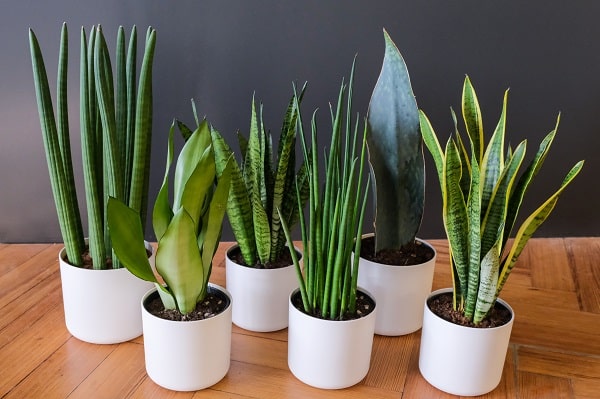
Certain plants are more forgiving for those who live in homes that don’t receive much natural light, particularly in the winter. The Snake Plant, also known as Sansevieria, is a popular choice. This plant is highly tolerant of low light conditions and can withstand irregular watering. It’s ideal for beginners or those who can’t dedicate too much time to plant care.
Another option for low-light conditions is the ZZ Plant. Officially known as Zamioculcas zamiifolia, this plant is aesthetically pleasing with its glossy leaves and is extremely resilient. It can thrive in indirect light and requires minimal watering. The ZZ Plant is particularly useful for people who travel frequently or are prone to neglecting their plants.
Nice photos! The citrus tree sounds like a lovely idea for winter!