Peppermint
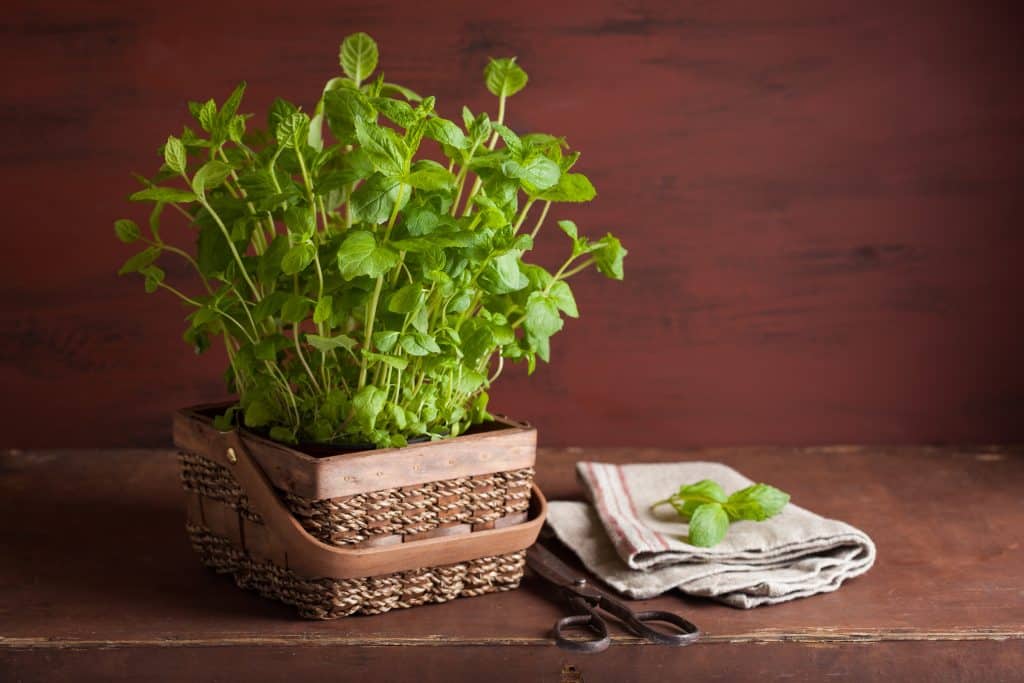
Peppermint plants are a delightful addition to any indoor garden, both for their aromatic leaves and their medicinal properties. The scent alone can invigorate your senses, but did you know that Peppermint also offers relief from headaches and digestive issues? A simple tea made from its leaves can work wonders for your well-being.
As for its care, Peppermint prefers well-drained soil and partial to full sunlight. It’s a relatively easy plant to maintain; however, it does like its soil to be kept moist. Regular harvesting of the leaves not only provides you with a constant supply of Peppermint but also encourages more robust growth.
Basil
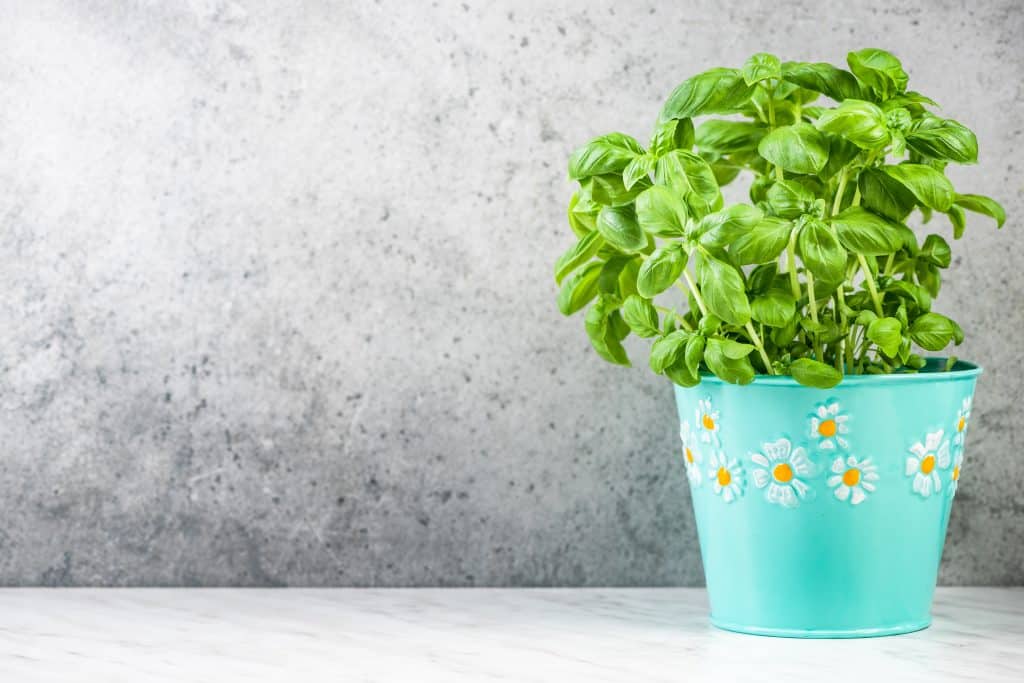
Basil is not just a staple in the kitchen; it’s also a medicinal herb with anti-inflammatory properties and a rich source of antioxidants. Whether you’re making a pasta sauce or seeking relief from minor aches, Basil serves multiple purposes. Additionally, the aromatic leaves can elevate the sensory experience of your indoor space, making it a dual-purpose plant that’s both functional and fragrant.
When it comes to growing Basil indoors, the plant requires plenty of sunlight and well-drained soil. It’s a bit more demanding in terms of care compared to other indoor plants on this list. Basil needs to be watered regularly but dislikes sitting in water, so make sure the pot has good drainage. Frequent pruning can also help the plant grow more vigorously, providing you with a bountiful harvest.
Chamomile
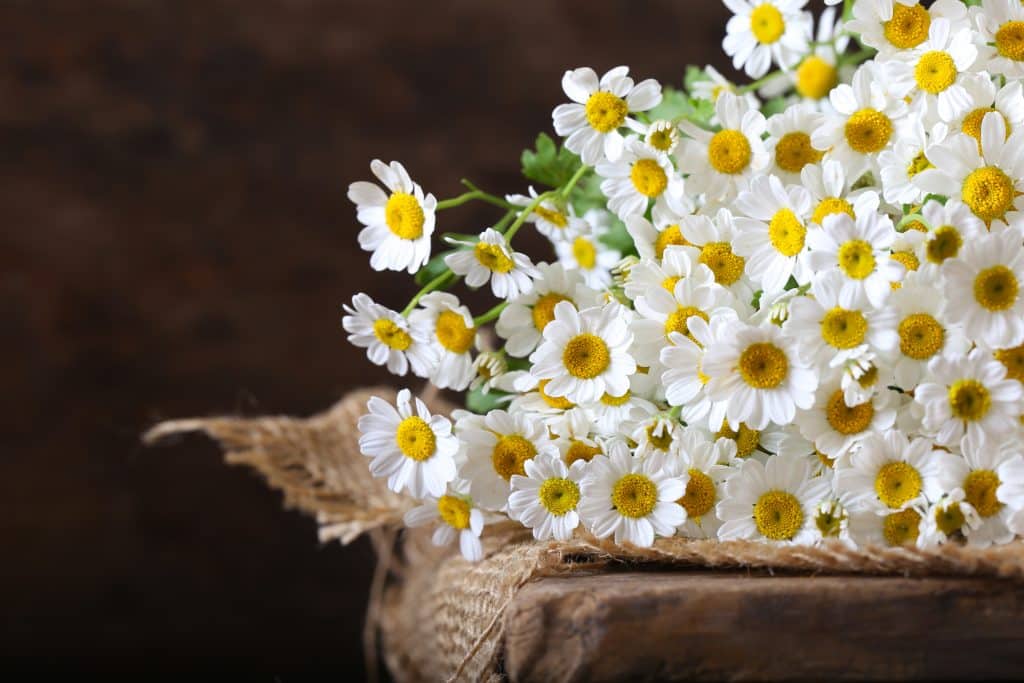
Chamomile is renowned for its calming effects. A cup of Chamomile tea before bed can significantly improve sleep quality. The plant itself, with its dainty white flowers and feathery leaves, adds a touch of serenity to your indoor space. Its gentle, apple-like scent can also serve as a natural air freshener for your home.
Caring for Chamomile is relatively straightforward. It prefers full sunlight but can tolerate partial shade. The soil should be well-drained, and the plant likes to be watered regularly. However, it’s important not to overwater, as this can lead to root rot. With consistent care, Chamomile can become a long-lasting member of your indoor garden, continually offering its soothing benefits.
Ginseng

Ginseng is a revered plant in traditional medicine, known for its ability to boost energy levels and lower blood sugar. Its gnarled root is the part that’s commonly used, but the plant itself can also be a unique addition to your indoor garden. The leaves are also edible and can be used in salads or as a garnish, adding another layer of utility to this versatile plant.
Ginseng requires a bit more attention compared to other plants on this list. It prefers indirect sunlight and well-drained, sandy soil. Overwatering should be avoided, as Ginseng is susceptible to root rot. Despite its somewhat demanding care requirements, the health benefits it offers make it well worth the effort. A well-cared-for Ginseng plant can live for many years, making it a long-term investment in your health.
Unearth Your Path To Wellness!
Transforming your living space into a sanctuary of well-being is easier than you might think. With the right selection of medicinal indoor plants, you can purify the air, alleviate stress, and find natural remedies for common ailments. These green companions are more than just decorative; they’re your allies in cultivating a healthier, happier life. Take the first step toward a more holistic lifestyle today and enrich your home with these remarkable plants.