

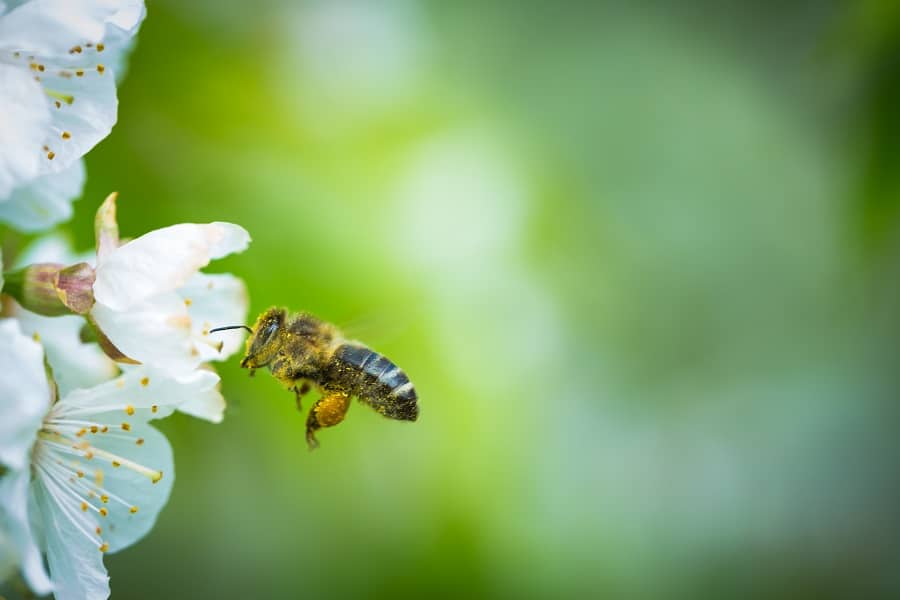
Pollinators are important for our environment and play a crucial role in the life cycle of many plants. Creating a pollinator garden can help support these important creatures and help keep the ecosystem healthy. If you’re looking to create a pollinator garden, you’ll want to include some of the best plants for the job! From flowers to trees, many different types of plants can serve as good homes for pollinators. This article will look at some of the best plants for a pollinator garden. Pollinators play an important role in the ecosystem by helping transfer pollen from one plant to another, allowing for the fertilization of plants and the creation of fruits and vegetables. A pollinator garden is a type of garden that is designed to attract and support pollinators, such as bees, butterflies, and hummingbirds. A pollinator garden typically contains various flowers that bloom at different times throughout the growing season. This ensures that there is always a food source available for pollinators. Furthermore, a pollinator garden typically has a water source, such as a birdbath or pond, which provides essential hydration for these creatures. By creating a pollinator-friendly habitat, you can help support these important creatures and positively impact the environment.
The Best Plants For A Pollinator Garden
Many different types of plants can be used in a pollinator garden. Some of the best plants for a pollinator garden include:
Nasturtium
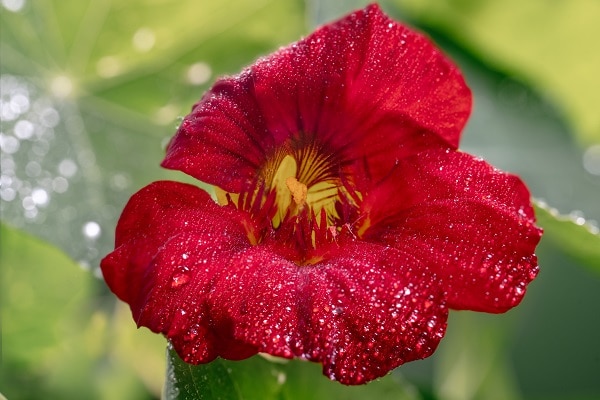
Nasturtiums are annual flowering plants popular for their bright, showy flowers. But nasturtiums are more than just pretty plants – they’re also great additions to pollinator gardens. Nasturtiums attract bees, butterflies, and other pollinators with their sweet nectar. And since they’re easy to grow and don’t require much care, they’re perfect for gardeners of all experience levels. In addition to being a valuable food source for pollinators, nasturtiums also help to protect other plants from pests. Their strong scent repels aphids and other harmful insects, making them an excellent addition to any garden. So if you’re looking to attract pollinators and deter pests, add some nasturtiums to your garden!
Borage
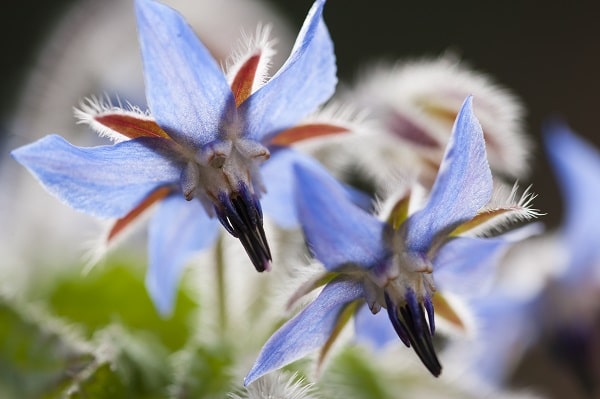
Borage is an annual herb that is native to the Mediterranean region. It grows to about two feet and has blue or purple flowers. The leaves and flowers are edible and have a cucumber-like flavor. Borage is often used in salads, soups, and sauces. The plant is also a source of borage oil used in cosmetics and other products. Borage is a member of the Boraginaceae family, which includes other common garden plants such as forget-me-nots and comfrey. Borage is popular for gardens designed to attract pollinators such as bees and butterflies. The flowers are rich in nectar and provide an important food source for these insects. In addition, borage leaves contain compounds known to be attractive to bees. As a result, planting borage in your garden can help boost the pollinators’ population. In turn, this can improve the health of your plants and the overall environment.