Spiders, with their intricate webs and sudden movements, can be unsettling guests in a household. While many species are harmless and even beneficial by preying on other pests, the mere presence of these eight-legged creatures can be disconcerting for many homeowners. Besides, certain venomous species pose potential health risks. Hence, finding effective methods to manage and reduce their presence becomes a priority. This article delves into practical ways to make your home less inviting to spiders, ensuring a more comfortable living space.
Keep Your Home Clean
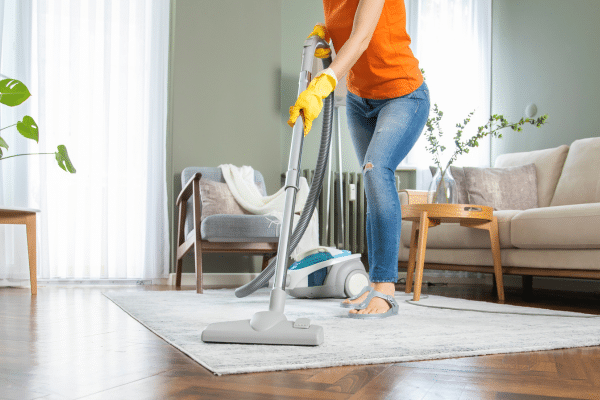
A tidy home is not just aesthetically pleasing; it serves as a formidable barrier against spiders. Spiders thrive in areas where they can find food, and a cluttered home offers plenty of hiding spots for insects, which are prime spider prey. Regular cleaning, such as vacuuming and dusting, not only removes spider webs but also reduces the insects that attract them. By maintaining a routine cleaning schedule, the chances of a spider making its home in corners, under furniture, or among stored items significantly decrease.
Another effective strategy is to be mindful of storage practices. Unused items and cardboard boxes can easily become a sanctuary for spiders if left undisturbed for extended periods. Opt for plastic storage containers with tight-sealing lids, and regularly check and clean storage areas. By minimizing the spaces where spiders can hide and breed, their presence will noticeably diminish.
Essential Oils

The aromatic world of essential oils offers more than just pleasant scents; many of these oils are potent deterrents for pests, including spiders. Peppermint oil, in particular, has gained popularity as a spider repellent. Its strong menthol smell is refreshing to humans but is quite off-putting for spiders. By strategically placing drops or diffusing this oil in areas where spiders frequent, homeowners can reduce their unwelcome appearances.
In addition to peppermint, several other essential oils, such as lavender, tea tree, and eucalyptus, have shown to be effective against spiders. These oils can be used in a spray form, diluted with water, or even mixed to create a potent spider repellent blend. However, it’s vital to ensure that the chosen oils are not harmful or irritating to other household members, especially pets or children. By embracing the natural power of essential oils, homes can remain spider-free without resorting to harsh chemicals.
Seal Gaps And Cracks
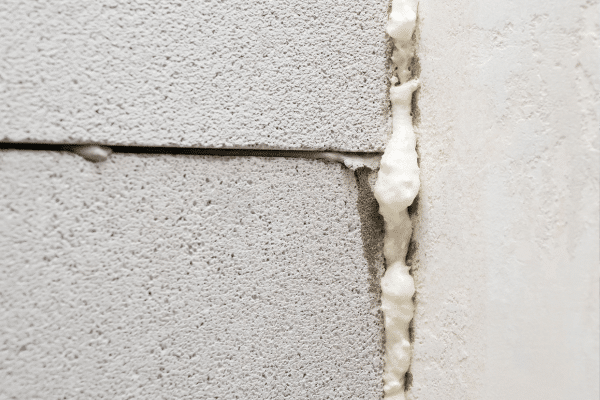
Every home, regardless of its age, has potential entry points for spiders and other pests. Small gaps in window frames, doors, and foundational cracks can serve as convenient pathways for spiders searching for shelter. Inspecting the home’s exterior and interior for these potential entryways and sealing them can make a considerable difference in spider control. Silicone or acrylic caulking is an excellent choice for most gaps, providing a durable and flexible seal that keeps spiders out.
Aside from windows and doors, it’s essential to inspect areas where utilities and pipes enter the home. Even the smallest openings can be a gateway for spiders. Mesh screens, weather stripping, and door sweeps are additional tools in the arsenal against these eight-legged invaders. By thoroughly sealing potential entry points, homeowners take a proactive step in ensuring their living spaces remain spider-free.