Contents
Mechanical Methods: Hand-Pulling And Tools

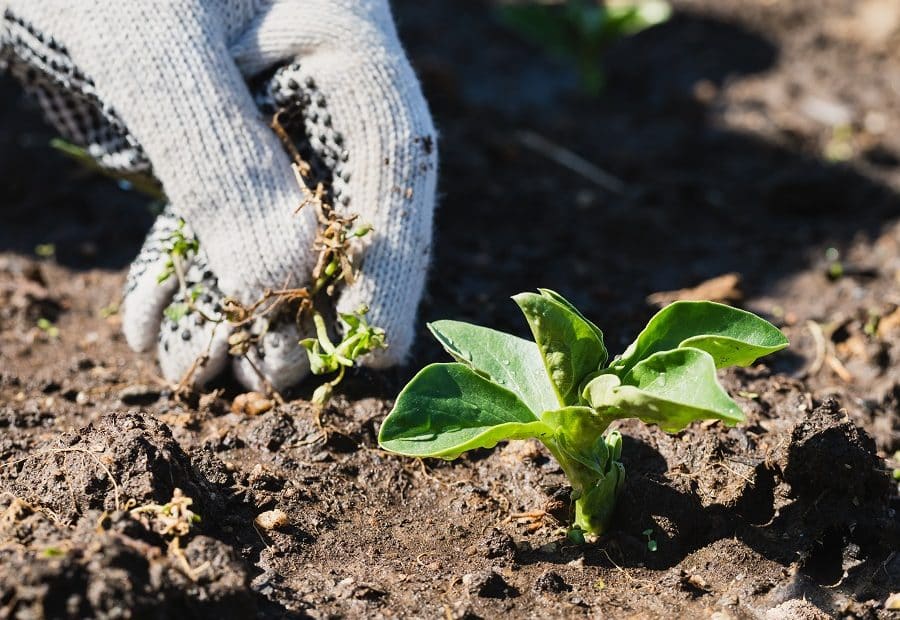
Hand-pulling is one of the oldest and most straightforward methods of weed control. It’s especially effective for weeds with shallow root systems. The key to successful hand-pulling is to remove the entire root to prevent regrowth. Timing is also crucial; it’s easier to pull weeds when the soil is moist, such as after a rain or watering. Tools like weed pullers and hoes can also assist in this method, making it easier to tackle weeds with deeper roots.
While hand-pulling is labor-intensive, it offers the advantage of precision, ensuring that only the unwanted plants are removed. For larger areas or more stubborn weeds, specialized weeding tools can make the job easier. Hoes, for example, can cut off weeds at the soil level, while weed pullers are designed to extract the entire root. When used correctly, mechanical methods can be highly effective, especially when combined with other weed control strategies.
Mulching: A Preventative Measure
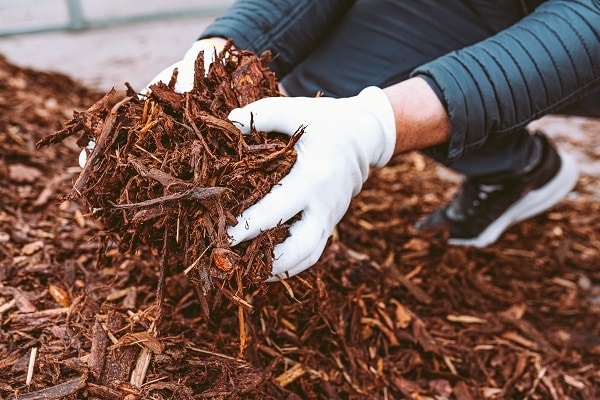
Mulching serves as a preventative measure against weed growth by creating a physical barrier that makes it difficult for weeds to emerge. Organic mulches like wood chips or straw decompose over time, enriching the soil. Inorganic mulches like plastic sheets or gravel are more durable but don’t offer the same soil-enhancing benefits. Regardless of the type, a well-laid mulch can significantly reduce the number of weeds in your garden.
The effectiveness of mulching depends on proper application. A layer too thin won’t effectively suppress weeds, while a layer too thick can cause water drainage issues. The ideal thickness is around 2 to 4 inches. It’s also important to keep the mulch away from the base of your plants to prevent rot. When done correctly, mulching not only keeps weeds at bay but also improves soil quality and moisture retention.
Landscape Fabric And Barriers

Landscape fabric serves as a long-term solution to weed control. This permeable fabric allows water and nutrients to pass through while blocking sunlight, thus preventing weed growth. It’s often used in conjunction with mulch for added effectiveness. Installing landscape fabric involves clearing the area of existing weeds, laying down the fabric, and then securing it with stakes or by covering it with mulch.
While landscape fabric can be highly effective, it’s not suitable for all garden types. For instance, it’s best used in perennial beds or under hardscapes like pathways and patios. It’s less ideal for vegetable gardens or annual flower beds where the soil needs to be turned regularly. Also, over time, the fabric can degrade and may need to be replaced. Therefore, consider the long-term maintenance before opting for this method.
Maintenance: Keeping The Weeds At Bay
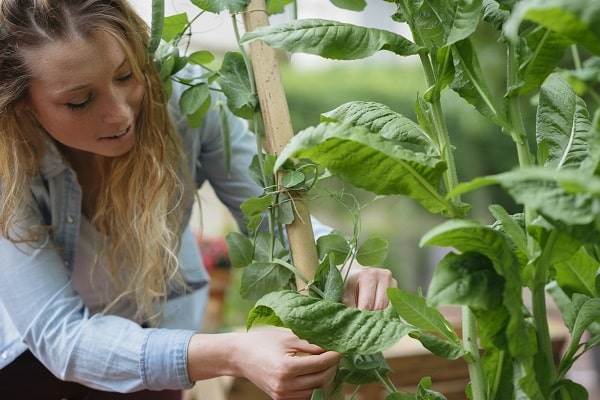
Consistency is key when it comes to weed control. Regular garden inspections can help you spot new weed growth before it becomes a larger problem. Seasonal care, such as applying pre-emergent herbicides in the spring or mulching in the fall, can also help maintain a weed-free garden. The goal is to create an environment where weeds find it difficult to establish a foothold.
A well-maintained garden is not just aesthetically pleasing but also healthier and more productive. By keeping a regular schedule for tasks like mulching, soil testing, and herbicide application, you can significantly reduce the time and effort needed for weed control. Remember, the best defense is a good offense; proactive maintenance can save you from reactive weeding later on.
Rid Yourself Of Your Pesky Weed Problem!
Ready to transform your garden into a weed-free sanctuary? You’ve journeyed through a comprehensive guide that covers everything from identifying weeds to employing various control methods. The path to a lush, beautiful garden is paved with consistent care and the proper techniques. By integrating these methods into your gardening routine, achieving a garden devoid of unwanted weeds becomes not just feasible but highly attainable. Don’t let weeds hold you back; seize control of your garden today and watch it flourish like never before.