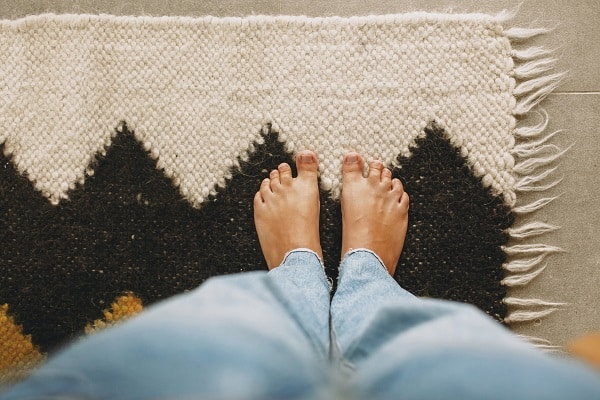
Rugs and mats not only elevate a home’s aesthetic but also serve functional purposes such as warmth and comfort. Despite being integral to home decor, they are often overlooked in maintenance. Unlike hardwood floors or tiles, rugs and mats accumulate dirt, allergens, and grime, making it crucial to clean them regularly. However, the cleaning method varies depending on the material and type of rug or mat you own. This article aims to provide a comprehensive guide on the best ways to clean different types of rugs and mats, from traditional methods to DIY solutions and eco-friendly options. Let’s dive in.
Contents
Understanding The Material Of Your Rug

Before reaching for a cleaning solution, it’s crucial to identify the material of your rug. Knowing whether your rug is made from synthetic or natural fibers will drastically affect the cleaning methods and solutions you should use. For instance, wool rugs require gentle cleaning agents, whereas synthetic rugs can withstand stronger chemicals. Failing to recognize this can result in damage, color fading, and a shortened lifespan for your rug.
Reading the care label on your rug is another step that shouldn’t be skipped. These labels usually provide specific cleaning instructions tailored to the material. If the care label is missing, you might consider doing a spot test on a small, hidden part of the rug with your chosen cleaning solution. This way, you can ascertain whether the solution will harm the rug before proceeding with a full clean.
Pre-cleaning Steps You Should Never Skip
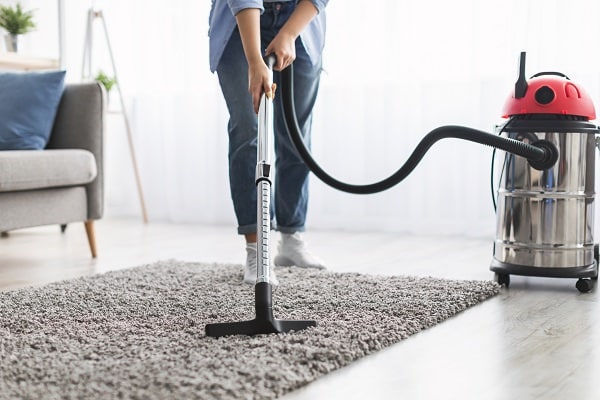
Vacuuming should be the first step in any rug cleaning routine. A proper vacuuming session lifts dirt, pet hair, and other debris from the rug’s fibers, making the subsequent cleaning more effective. While vacuuming, use the appropriate setting for your rug’s thickness and material. Not only does this remove surface-level dirt, but it also allows you to examine the rug closely for stains that need targeted treatment.
Spot testing comes into play after vacuuming, especially if you plan to use a new cleaning agent. Dab a small amount of the solution on a hidden rug section, such as a corner. Wait at least 30 minutes to see any color bleeding or texture change. If the rug remains unaltered, it’s safe to proceed with cleaning. Skipping this step could risk permanent damage, so it’s better to be safe than sorry.
Traditional Cleaning Methods
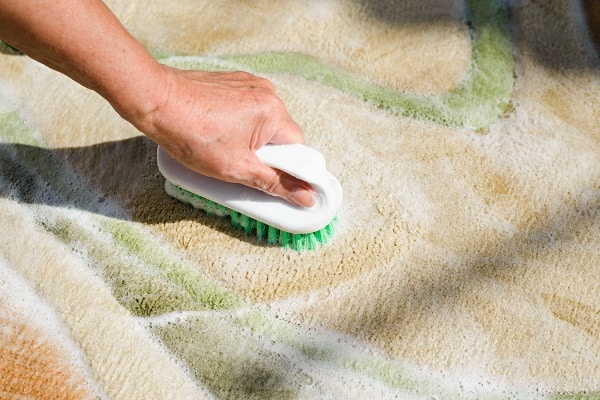
Shampooing is one of the oldest methods for deep-cleaning rugs. It involves applying a special carpet shampoo and a brush or machine to work the solution into the fibers. After allowing time for the shampoo to do its job, the rug is rinsed, and the dirty water is extracted. However, this method can leave a soapy residue if not properly rinsed. On the upside, shampooing is highly effective in removing stubborn dirt and stains, making it a popular choice for many homeowners.
Another well-established method is steam cleaning, which uses hot water extraction to deep clean rugs. In this technique, a machine sprays hot water mixed with a cleaning solution onto the rug and, almost simultaneously, vacuums it up. This not only lifts dirt but also kills bacteria and dust mites. However, the main drawback is that steam cleaning tends to saturate the rug with water, making it essential to dry the rug thoroughly to prevent mold growth.
DIY Cleaning Solutions

Regarding rug cleaning, you don’t always have to resort to store-bought products. A simple vinegar and water solution can work wonders on most rug materials. Mixing equal parts of white vinegar and warm water can create a versatile cleaning solution. This mixture is especially effective for treating stains, neutralizing odors, and killing bacteria. However, it’s essential to do a spot test before applying it on the entire rug to ensure it won’t cause discoloration or damage.
Another popular DIY cleaning agent is baking soda, a household staple. Known for its deodorizing properties, baking soda can also help lift stains when used properly. To use baking soda for cleaning, lightly sprinkle it over the rug, let it sit for a few minutes to absorb odors and dirt, and then vacuum it up. For deeper stains, you can make a paste of baking soda and water and apply it directly to the affected area, then rinse thoroughly after letting it sit.