


The Ice Cube Trick

A lesser-known yet highly effective technique for cleaning garbage disposals involves using ice cubes. The hard, solid nature of ice cubes provides an abrasive action, which helps in dislodging stuck food particles and sharpening the disposal’s blades. By simply grinding a handful of ice cubes, one can remove stubborn gunk that may be clinging to the walls of the disposal and dulling its blades.
To enhance this method, consider freezing a mixture of vinegar and water in ice cube trays. The resulting ice cubes combine the abrasive quality of ice with the cleaning properties of vinegar. As the disposal grinds these cubes, the vinegar melts and helps dissolve any remaining residues, ensuring a thorough cleaning.
The Importance Of Running Cold Water
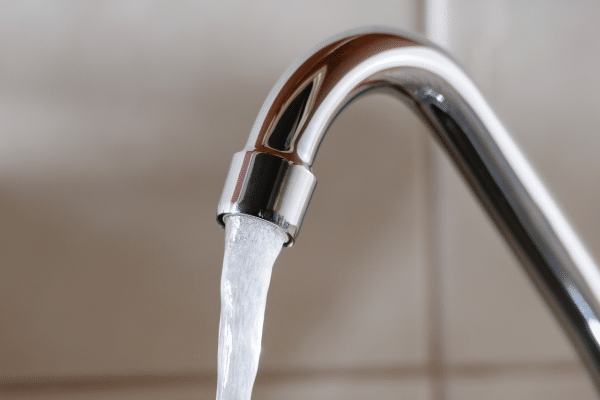
Cold water plays a pivotal role in the efficient operation and maintenance of garbage disposals. When the disposal is in use, running cold water helps solidify any grease or oils, making them easier to be ground and flushed away. This prevents the accumulation of fatty residues that can clog the system and reduce its efficiency.
Furthermore, it’s advisable to let cold water run for a few seconds after turning off the disposal. This ensures that all food particles have been washed away, minimizing the chances of any residue getting left behind. Regularly using cold water during and after the disposal’s operation can greatly reduce maintenance needs and ensure a smooth-running system.
Combating And Preventing Odors
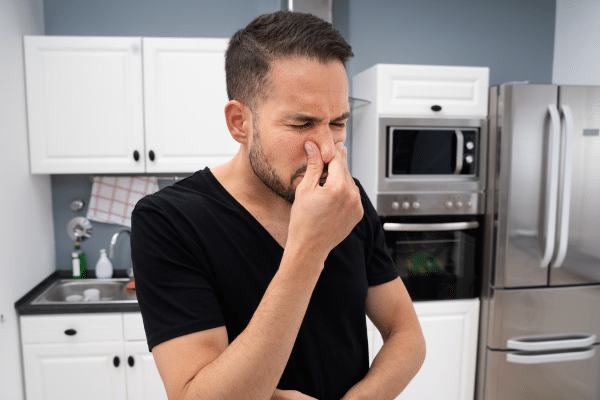
Over time, residues and tiny food particles can start decomposing in the disposal, leading to unpleasant odors wafting from the sink. Regular cleaning is the first line of defense against such smells. Flushing the disposal with a mixture of baking soda and vinegar, followed by boiling water, can help neutralize these odors and break down the offending particles.
Another effective strategy is to use citrus fruits like lemons or oranges. Grinding these fruits not only helps clean the blades but also leaves behind a pleasant, refreshing aroma. Ensuring the drain remains free from clogs, allowing for swift water flow, can also minimize the chances of odor-causing residues accumulating.
What NOT To Put Down Your Garbage Disposal

While garbage disposals are designed to handle a variety of food scraps, certain items can prove detrimental to their operation. Items like fibrous vegetables, eggshells, and bones are notoriously difficult for disposals to break down. Such materials can wrap around the blades, leading to jams, or settle at the bottom, causing potential blockages.
Another common misconception is that garbage disposals can handle non-food items. Materials like plastic wrappers, glass, or metal can damage the blades or motor. Not only does this reduce the efficiency of the disposal, but it also poses risks of more severe mechanical failures. Hence, being discerning about what goes into the disposal can prolong its lifespan and reduce maintenance headaches.
The Bottom Line
A well-maintained garbage disposal is an asset to any kitchen, offering efficiency and hygiene in waste management. By adopting the right cleaning techniques and being mindful of its usage, one can ensure that this invaluable appliance serves reliably for years. From natural cleaning solutions to understanding what shouldn’t be discarded, these guidelines aim to provide comprehensive care for your disposal, ensuring a pleasant kitchen environment and smooth operations.
Cleaning the disposal. How To Clean The Disposal With Ice And Vinegar/ Rock Salt
The next lime mentions “TALK” salt. I assume you mean “ROCK” salt. Please correct if I am correct.