Contents
Steps For Planting Indoor Bulbs
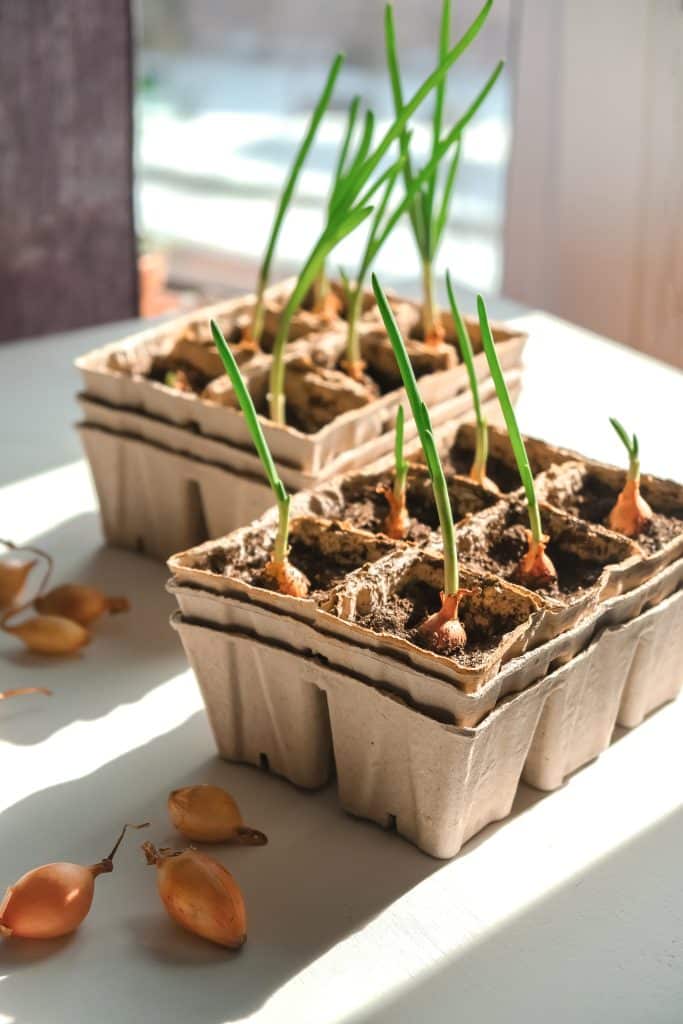
- Pot selection is an important step in the growth of indoor flowering bulbs. Choose a pot slightly larger than the bulb, with drainage holes to allow excess water to drain.
- Soil preparation is another critical step in the growth of indoor flowering bulbs. Fill the pot with a well-draining soil mix, such as peat moss, sand, and perlite.
- Planting depth is crucial for the success of indoor flowering bulbs. The bulbs should be planted at a depth of two to three times their height. Make sure that the top of the bulb is not buried too deep, as this can cause it to rot.
- Proper watering and care are essential for the growth of indoor flowering bulbs. Water the bulbs immediately after planting, and keep the soil evenly moist but not soaking wet. Fertilize the soil regularly to provide the necessary nutrients for growth.
Nutrients Needed
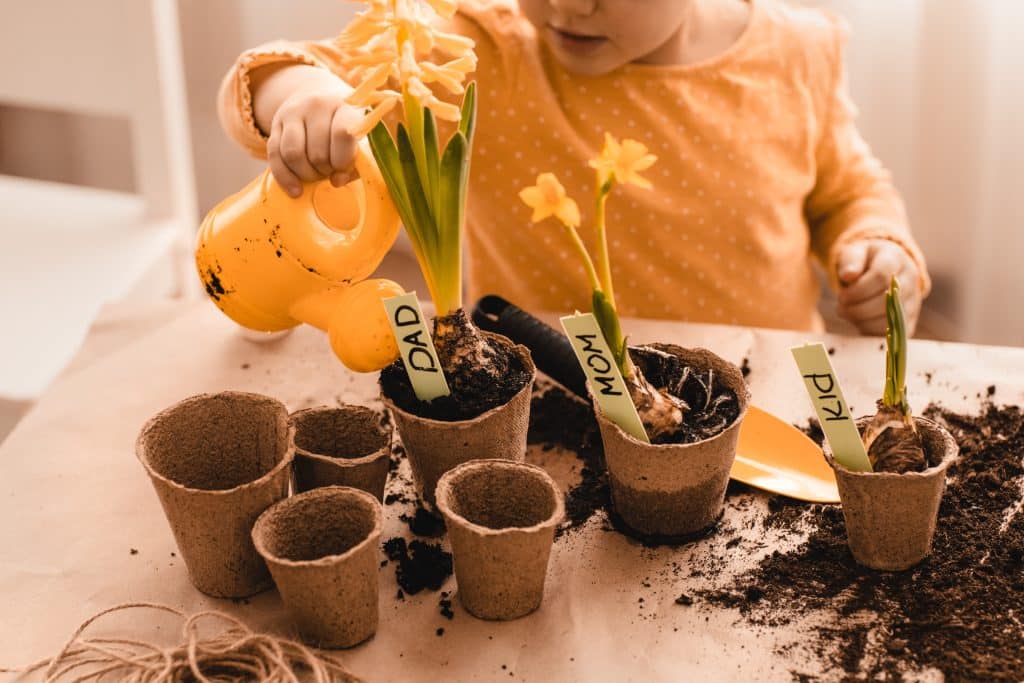
- Nitrogen (N): Nitrogen is an essential component of chlorophyll, which is the molecule that allows plants to perform photosynthesis and produce energy.
- Phosphorus (P): Phosphorus is vital for root growth, flower and fruit production, and energy storage.
- Potassium (K): Potassium helps regulate water balance and is important for developing strong stems and disease resistance.
- Calcium (Ca): Calcium is essential for cell division and developing strong cell walls.
- Magnesium (Mg): Magnesium is an essential component of chlorophyll and is vital for photosynthesis.
- Sulfur (S): Sulfur is essential for the production of proteins and enzymes
It is important to provide indoor flowering bulbs with a balanced supply of these essential nutrients through regular fertilization and proper soil management. Additionally, proper pH balance in the soil is important for nutrient uptake by the plant, with a slightly acidic soil (pH 6.0 to 6.5) ideal for most indoor flowering bulbs.
Additional Tips For Successful Blooming
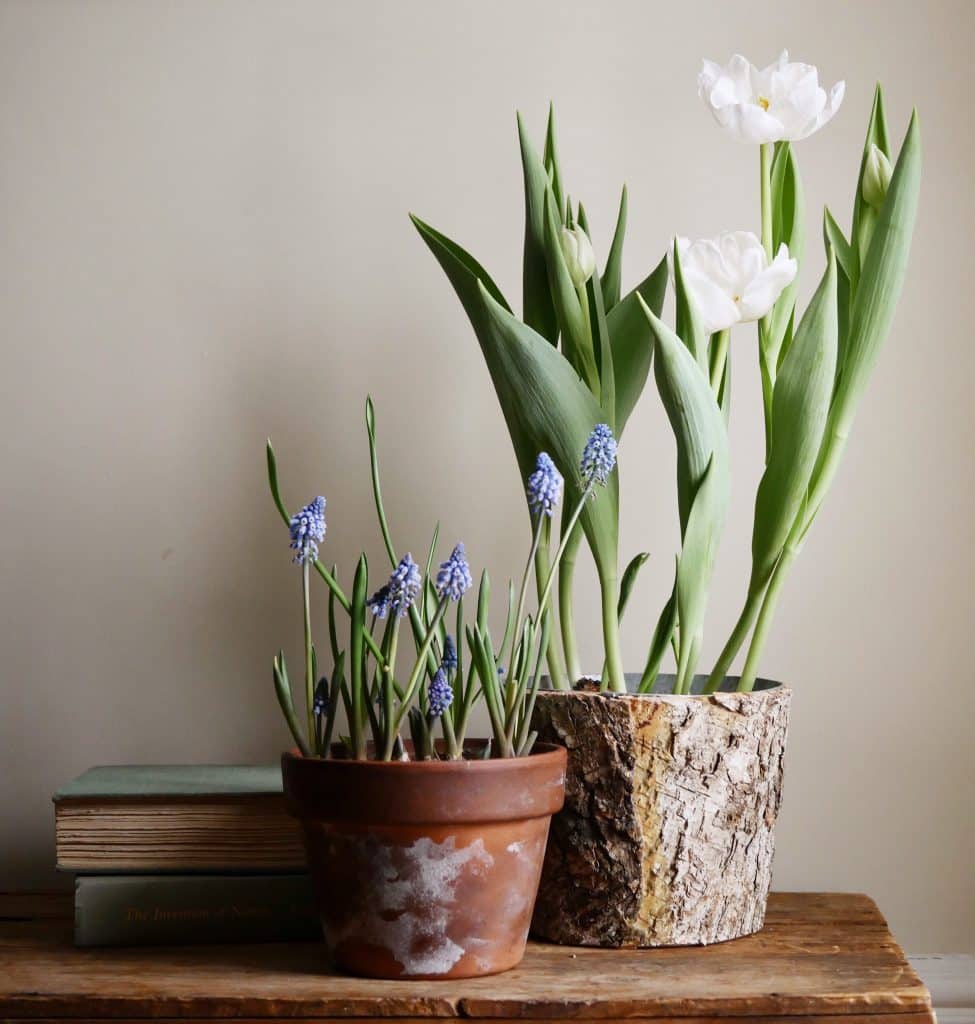
- Proper ventilation is essential for the growth of indoor flowering bulbs. Ensure that the room where the bulbs are growing is well-ventilated to prevent mold and mildew from forming.
- Deadheading, or removing spent blooms, is important for the continued growth of indoor flowering bulbs. Deadheading will encourage the bulb to produce more blooms and help maintain the plant’s overall health.
- Rotating pots for even light exposure is crucial for indoor flowering bulbs’ growth. Rotating the pots every few days will ensure that all sides of the plant receive an equal amount of light, which will promote healthy growth and blooming.
Help Your Bulbs Bloom Indoors With These Tips!
In conclusion, indoor flowering bulbs are a great way to add life and color to your indoor spaces. Proper care and attention, including proper light, temperature, watering, soil, and ventilation, are important for the success of indoor bulb growth. With a little effort, you can enjoy the beauty of indoor blooms all year round. From the sweet fragrance of Hyacinth to the classic elegance of Tulips, there is a bulb for every taste and style. So, go ahead and bring some indoor flowering bulbs into your home today and enjoy the joys of indoor bulb gardening.