
In today’s modern homes, a myriad of products promise convenience, longevity, and aesthetic appeal. Yet, beneath the surface of these everyday items, a cocktail of chemicals and additives often lurks, some of which can be detrimental to your health. As you strive for a healthier living environment, understanding the substances you bring into your home becomes paramount. This article aims to shed light on specific chemicals and additives to be wary of, offering insights into creating a safer and more informed living space.
Navigating The World Of Household Chemicals

Household products, from the cleaners you use to the paints that adorn your walls, are often riddled with chemicals. While many of these are harmless or even beneficial, others can pose significant health risks. Over time, exposure to these harmful chemicals, even in minute amounts, can accumulate, leading to potential health issues. It’s essential to be aware of these substances, not to induce fear, but to make informed choices about the products you use daily.
The health implications of these chemicals can range from mild allergic reactions to more severe conditions like respiratory issues or hormonal imbalances. For instance, some cleaning products release volatile organic compounds (VOCs) that can cause headaches, dizziness, and even damage to the liver and kidneys over prolonged exposure. By being aware of these potential dangers, consumers can seek out alternatives, such as eco-friendly cleaners or low-VOC paints, to ensure a healthier living environment.
The Hidden Dangers In Cleaning Products

When you think of cleaning products, people often associate them with cleanliness and safety. However, many of these products contain chemicals that, while effective at removing dirt and grime, can also be harmful to your health. Phthalates, commonly used to add fragrance to household cleaners, have been linked to endocrine disruption and reproductive issues. Similarly, triclosan, an antimicrobial agent found in some soaps and detergents, can interfere with thyroid function and contribute to antibiotic resistance.
Ammonia, another prevalent ingredient in cleaning solutions, can irritate the eyes, skin, throat, and lungs, especially when used in poorly ventilated areas. While these chemicals undoubtedly serve a purpose in the cleaning industry, it’s crucial to handle them with care, ensuring adequate ventilation and considering natural alternatives when possible. For instance, simple ingredients like vinegar, baking soda, and essential oils can often provide effective cleaning solutions without the associated health risks.
Beauty And Personal Care Items To Watch Out For
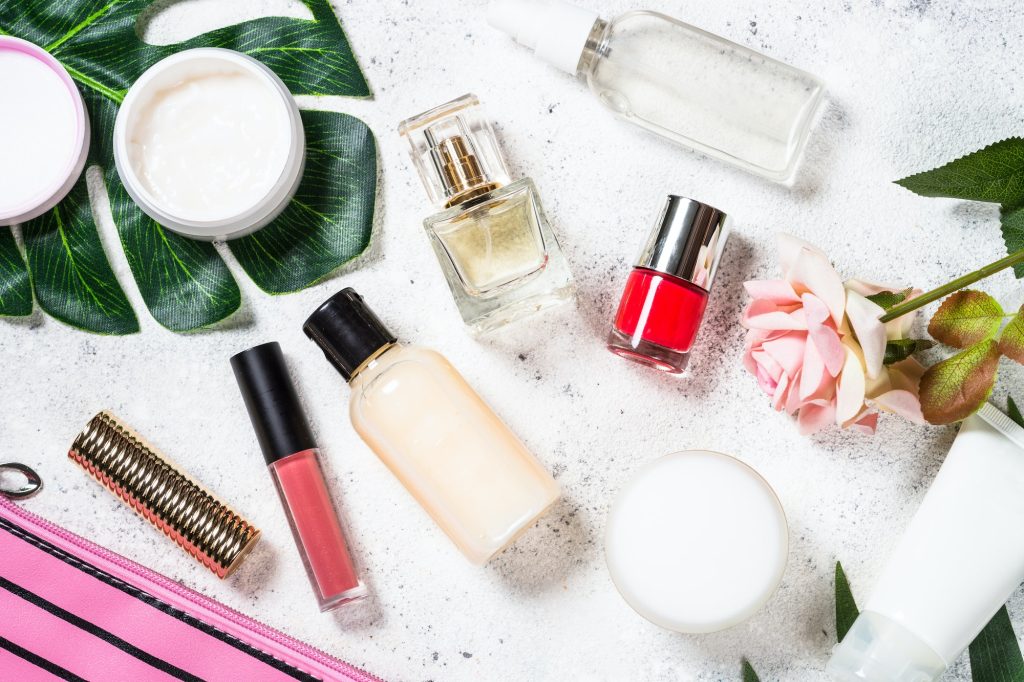
The beauty and personal care industry is vast, offering products that promise to enhance your appearance, hygiene, and overall well-being. However, lurking within some of these products are chemicals that might do more harm than good. Parabens, often used as preservatives in cosmetics and skincare, have been linked to hormonal imbalances due to their estrogen-mimicking properties. Sodium lauryl sulfate (SLS), a common ingredient in shampoos and soaps, can cause skin irritation and may even be linked to more severe health concerns.
Furthermore, synthetic fragrances, which give many beauty products their appealing scents, can contain numerous undisclosed chemicals, some of which may lead to allergic reactions or respiratory issues. As consumers, it’s essential to read product labels diligently and opt for products with transparent ingredient lists. Choosing organic and natural beauty products can also be a step towards ensuring that what you put on your skin is as safe as it is effective.
The Unseen Threats In Air Fresheners And Candles
Air fresheners and candles have become staples in many households, offering a quick solution to mask odors and create a pleasant ambiance. However, the very ingredients that produce those inviting scents can sometimes introduce harmful chemicals into your living spaces. Formaldehyde, a common component in some air fresheners, is a known carcinogen that can also cause respiratory irritations. Similarly, benzene and toluene, often found in scented candles, can affect the central nervous system and lead to blood disorders.
While the allure of a fragrant home is undeniable, it’s essential to be discerning about the products you use. Many candles, especially those made from paraffin wax, release soot and harmful chemicals when burned. Opting for candles made from soy or beeswax, which burn cleaner, can be a healthier choice. Similarly, considering natural alternatives like essential oils in diffusers or potpourri can offer delightful fragrances without the associated risks.
