


Food Additives And Preservatives To Avoid

The modern food industry relies heavily on additives and preservatives to extend shelf life and enhance flavor and appearance. While many of these additives are safe for consumption, others have raised health concerns. High fructose corn syrup, a common sweetener in sodas and processed foods, has been linked to obesity and diabetes. Artificial food dyes, often used to make foods more visually appealing, have been associated with behavioral issues in children and potential carcinogenic effects.
Being an informed consumer involves more than just checking calorie counts. Reading ingredient labels can provide insights into the additives and preservatives present in your food. Sodium nitrate, for instance, used in processed meats like bacon and hot dogs, has been linked to certain types of cancer. By opting for fresh, whole foods and being wary of products with long ingredient lists filled with unfamiliar names, you can make healthier dietary choices and reduce your exposure to potentially harmful additives.
Harmful Chemicals In Cookware And Kitchenware
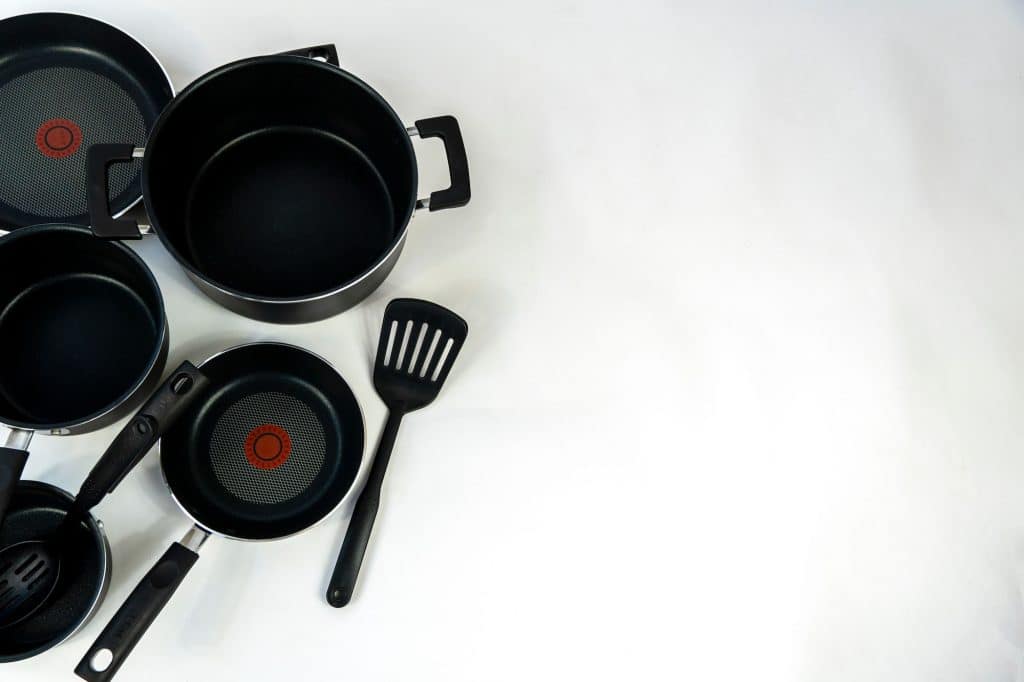
The tools you use to prepare your meals can be as crucial to your health as the ingredients you cook. Non-stick cookware, while convenient, often contains chemicals like perfluorooctanoic acid (PFOA) and polytetrafluoroethylene (PTFE). When overheated, these chemicals can release toxic fumes, leading to flu-like symptoms in humans, and can be fatal to pet birds.
It’s essential to be aware of the materials from which your kitchen tools are made. Stainless steel, cast iron, and glass cookware, for instance, offer safer alternatives to non-stick variants. Similarly, plastic containers, especially older ones, might leach bisphenol A (BPA) into food, especially when heated. Opting for BPA-free plastics or glass containers can reduce the risk of chemical exposure. By making informed choices in your kitchenware, you can ensure that your cooking processes are as healthy as the meals you prepare.
Toxic Elements In Furniture And Home Decor

Furniture and home decor play a significant role in making your living spaces comfortable and aesthetically pleasing. However, some of these items come with hidden chemical threats. Flame retardants, often used in sofas and mattresses, can release toxic chemicals into the air, which can then be inhaled or ingested through dust. These chemicals have been linked to hormonal disruptions, fertility issues, and even certain cancers.
Volatile organic compounds (VOCs), commonly found in paints, varnishes, and certain types of pressed wood furniture, can off-gas into your home, leading to indoor air pollution. Prolonged exposure to high levels of VOCs can result in respiratory problems, headaches, and dizziness. When purchasing furniture or undertaking home improvement projects, it’s beneficial to seek out low-VOC or VOC-free products and to ensure adequate ventilation. Additionally, opting for natural materials like solid wood or organic fabrics can help reduce the chemical footprint in your home.
The Risks Of Garden And Pest Control Products

A lush garden and a home free from pests are desires many homeowners share. However, the products people often use to achieve these goals can introduce a slew of chemicals into their environment. Glyphosate, a widely-used herbicide, has been at the center of debates regarding its potential links to cancer. Organophosphates, commonly found in insecticides, can affect the nervous system and have been associated with developmental issues in children.
While the quest for a perfect garden and a pest-free home is understandable, it’s essential to approach it with caution. Natural pest control methods, such as introducing beneficial insects or using diatomaceous earth, can be effective without the harmful side effects. Similarly, organic gardening practices, which avoid synthetic pesticides and fertilizers, can yield bountiful results while ensuring the safety of the environment and those who enjoy it.
Children’s Toys And Products: What Parents Should Know
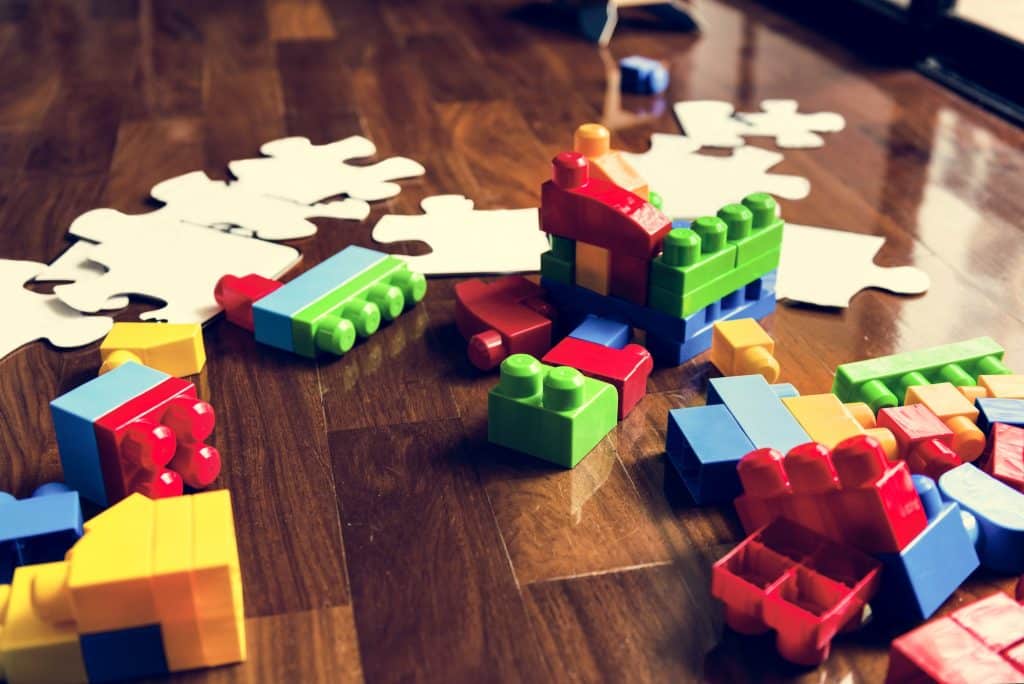
Children, with their developing systems and frequent hand-to-mouth behaviors, are particularly vulnerable to harmful chemicals. It’s alarming to consider that some toys and children’s products might contain substances that could be detrimental to their health. Lead, once commonly used in toys and still found in some imported products, can affect cognitive development and cause behavioral issues. Phthalates, used to make plastics more flexible, and Bisphenol A (BPA), found in certain plastic bottles and containers, have both been linked to endocrine disruption.
As a guardian of your children’s well-being, it’s crucial to be vigilant about the products they interact with daily. Opting for toys made from natural materials, such as wood or organic cotton, can reduce exposure to harmful chemicals. Reading labels, researching product safety standards, and staying updated on product recalls can further ensure that your children’s play environment is as safe as they are stimulating.
Beware Of These Chemicals And Additives In Your Home!
In the quest for convenience, aesthetics, and modern comforts, it’s easy to overlook the hidden chemical landscape that permeates our homes. However, with awareness comes empowerment. By understanding the potential risks associated with everyday products and making informed choices, you can create living spaces that nurture your well-being and safeguard your health. As a consumer, your decisions have power. By prioritizing safety and sustainability, you not only protect yourself and your loved ones but also contribute to a broader movement towards a healthier, more conscious world.