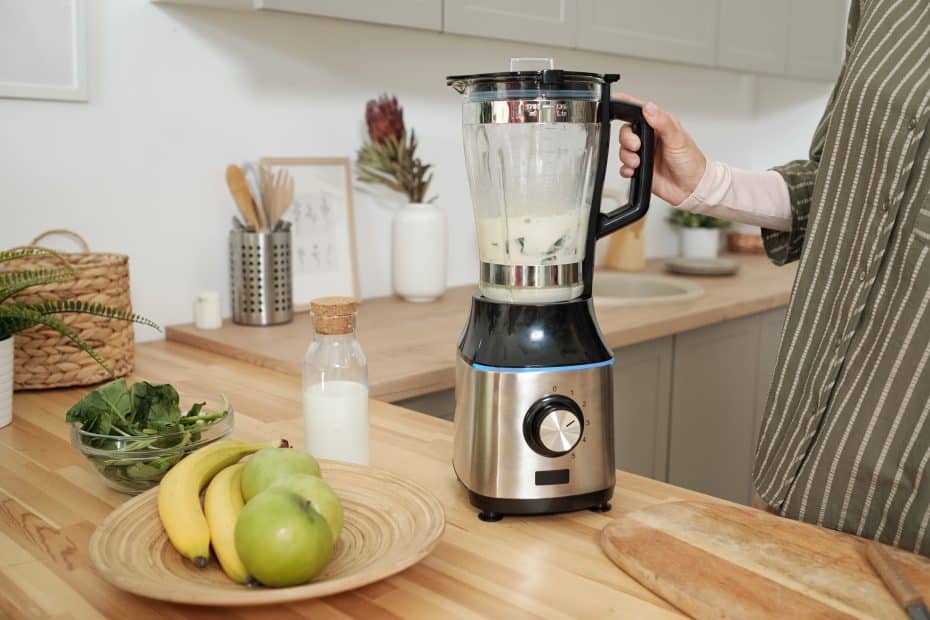
A blender is an essential kitchen appliance that makes food preparation easier and faster. However, cleaning a blender can be daunting, especially if you don’t know the best ways to do it. Leftover food particles and stains can accumulate in the blender, causing it to smell bad and even affect the taste of your next smoothie or recipe. In this article, we will discuss the best ways to clean a blender, including tips and tricks to make the process quick and efficient. Whether you use your blender daily or occasionally, following these cleaning techniques will keep it in top condition and help prolong its lifespan.
Contents
Why Deep Cleaning Your Blender Is Essential
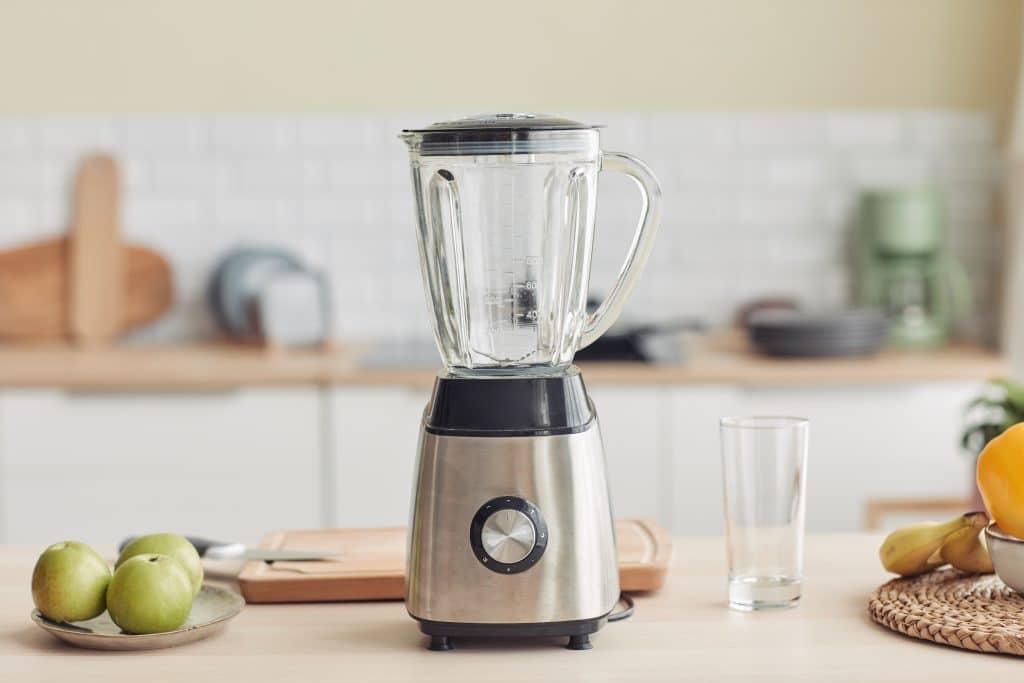
Keeping your blender clean is not only important for maintaining its longevity, but it is also essential to your health. When you deep clean your blender, you ensure it is free of any contaminants, such as germs or food particles that have been ground up in the blades. This will help to ensure that anything that goes into your blender is healthy and clean and will not cause any unpleasant side effects from hazardous substances or bacteria. Furthermore, cleaning and properly caring for your blender ensures it works efficiently and lasts longer.
Different Methods To Clean A Blender
Depending on how often you use your blender and the type of ingredients you blend, several methods exist for cleaning your appliance. Here is a quick guide to some of the different ways to clean a blender to ensure it stays in perfect working order:
Soap and Water
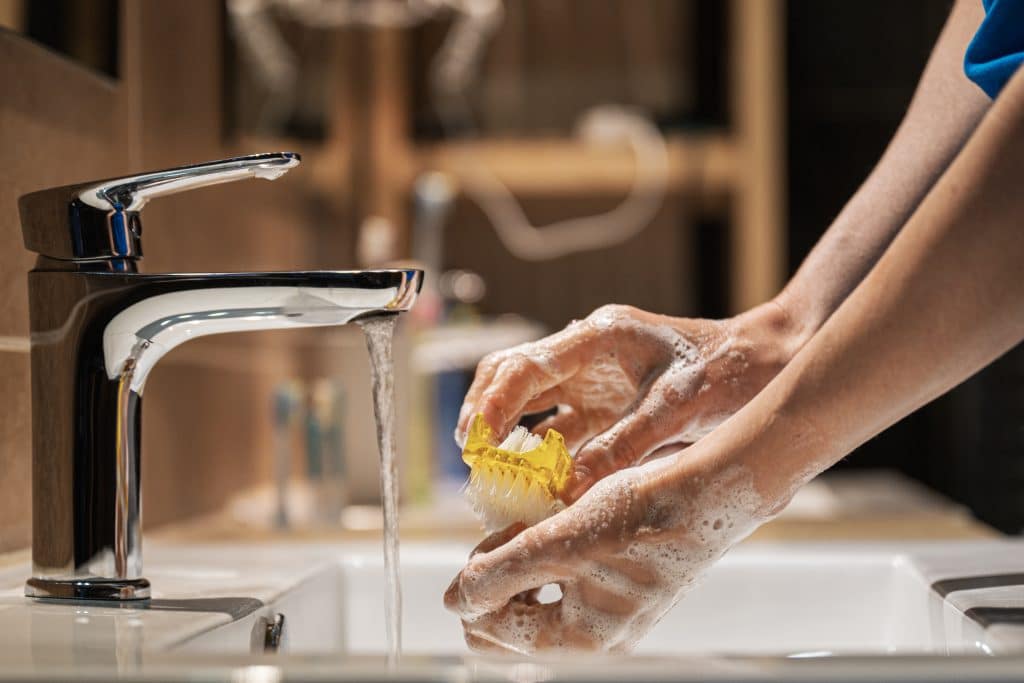
Cleaning a blender with soap and water eliminates stuck-on food, residue, and other debris. While it may seem simple, taking the time to properly wash a blender is a small but important step in maintaining good kitchen hygiene. To begin cleaning with soap and warm water, always unplug the appliance from its power source. Then, fill the blender jar with warm, sudsy water and tightly place the lid back on.
Gently shake or swish around the liquid for 30 seconds before pouring out the contents and rinsing all parts in clean running water until no soapy bubbles are left behind. Taking this extra care prevents you from scrubbing chunks of cooked food away later – making cleanup much easier!
Vinegar And Baking Soda
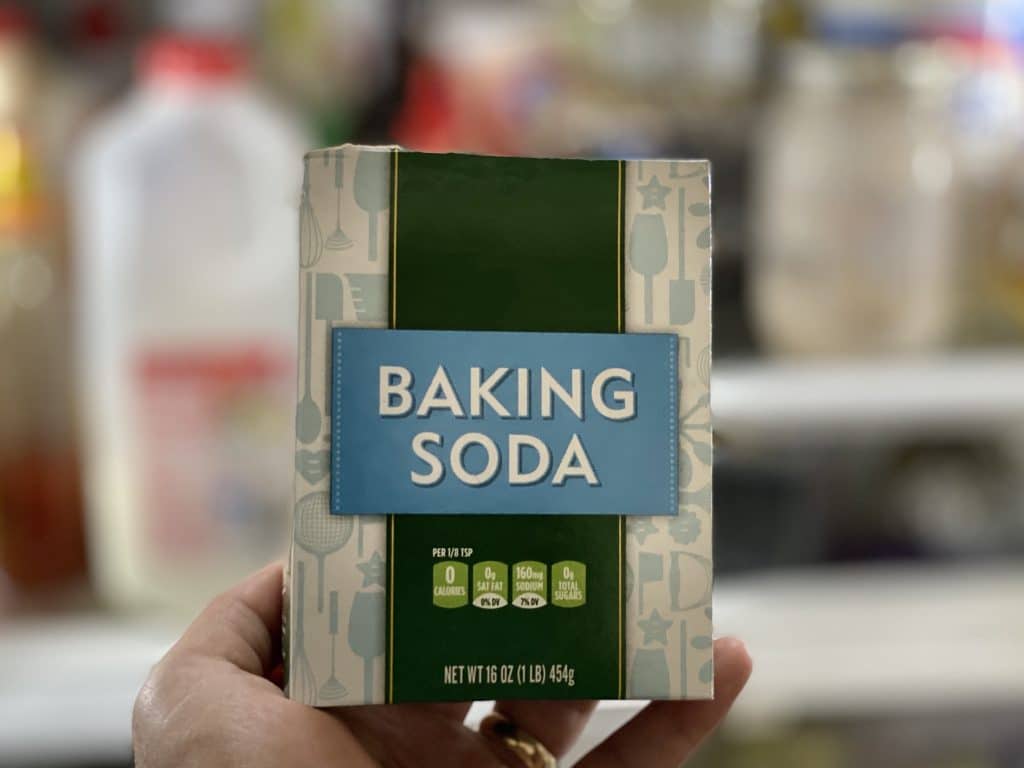
Using baking soda and vinegar to clean your blender is not just about getting rid of stuck-on residue with simple kitchen ingredients — it’s also about ensuring you keep your kitchen appliances eco-friendly. By combining different types of vinegar (e.gapple cider vinegar, white distilled vinegar) and baking soda, you can easily remove the thick layer of grime on the blades and base of a blender without relying on harsh chemical cleaners.
This process is beneficial for achieving flawless kitchen hygiene and keeps harmful toxins off your counter and away from children. With some knowledge and equipment, you can keep your blenders sparkling clean while keeping the environment safe.
Dishwasher
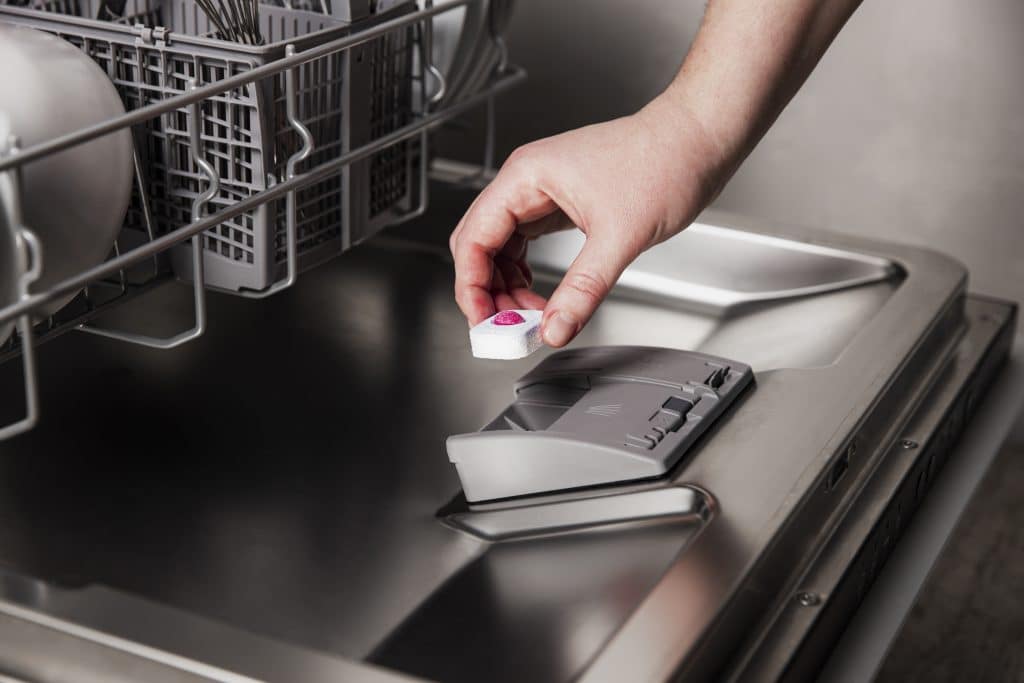
Unless warned by the manufacturer, most blenders are safe to place in a modern dishwasher with other dishes. The best way to ensure all nooks and crannies are reached is to take the blender apart and lay it on its side on the top rack. Additionally, rinsing it before loading it into the dishwasher prevents soap residue from settling onto blades and other surfaces.
You should also avoid using dishwasher-safe detergent or cleaning products that contain bleach, as this could cause permanent damage to the blender. And don’t forget to switch off the dishwasher and wait for it to cool before handling it, as some parts of the blender can become very hot after a cycle.