


Aloe Vera

Aloe Vera is renowned for its medicinal properties, particularly in skin care and wound healing. This succulent plant is a common feature in many households, appreciated for its easy care and the soothing gel within its leaves. However, while beneficial for humans, Aloe Vera can be harmful to pets. The plant contains anthraquinone glycosides, which are known to be toxic to dogs and cats. Ingestion of Aloe Vera can lead to symptoms such as vomiting, diarrhea, lethargy, and changes in urine color in pets.
The most at-risk parts of the Aloe Vera plant for pets are the leaves. When pets chew on or ingest the leaves, the toxic compounds can cause gastrointestinal upset and other health issues. It is advisable for pet owners to either avoid having Aloe Vera in their homes or place it in an area that is completely inaccessible to their pets. If a pet is suspected of ingesting Aloe Vera, it is essential to consult a veterinarian immediately, as timely medical intervention can prevent more severe health complications.
Jade Plant
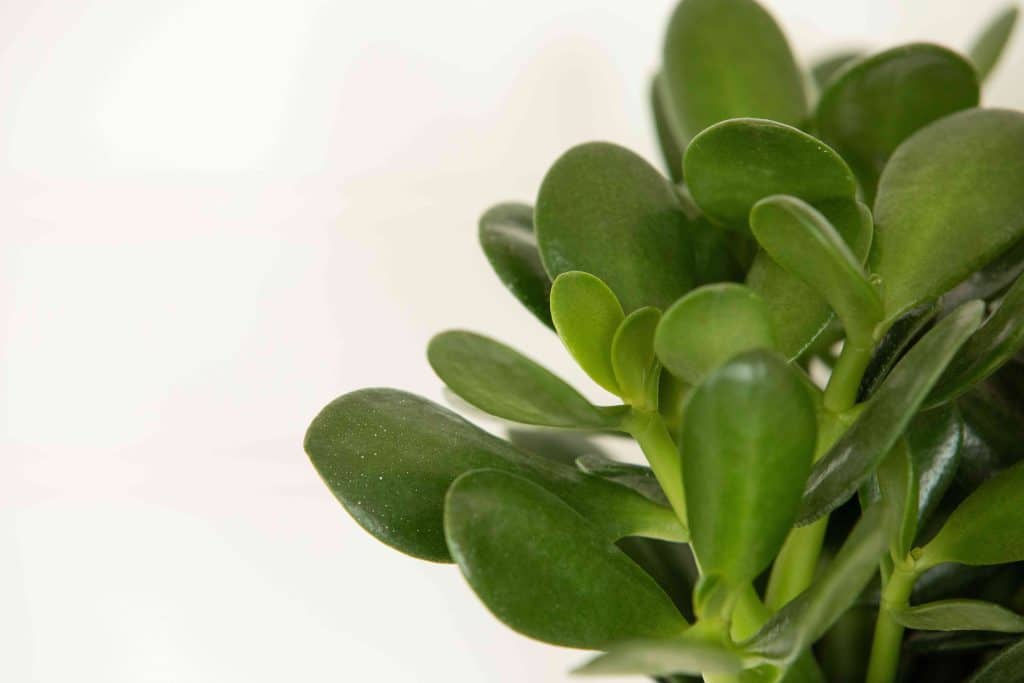
The Jade Plant, also known as the Crassula ovata, is popular in homes for its attractive, thick, jade-green leaves and easy maintenance. This succulent is often chosen for its aesthetic appeal and supposed luck-bringing properties. However, it poses a risk to pets. The specific toxins in the Jade Plant are not well identified, but they have been known to cause vomiting, lethargy, and incoordination in pets who ingest it. The severity of the symptoms can vary based on the amount ingested and the size of the pet.
It is crucial for pet owners to be aware of the potential danger posed by the Jade Plant. Keeping it out of reach of pets or choosing a different plant altogether can prevent accidental ingestion. If a pet owner suspects that their pet has eaten any part of a Jade Plant, it is important to seek veterinary care promptly. Symptoms can progress, and early treatment can be crucial in managing the toxic effects and ensuring the pet’s recovery.
Asparagus Fern

The Asparagus Fern is another common houseplant that adds a touch of greenery to indoor spaces. It is often chosen for its feathery, light foliage and ease of care. However, this plant is not as benign as it appears. It contains sapogenin, a toxic compound that can cause skin irritation in pets. Ingestion can lead to more serious symptoms such as vomiting, diarrhea, and abdominal pain. Pets, particularly cats and dogs, are prone to nibbling on the soft fronds, putting them at risk.
Pet owners should be cautious when bringing an Asparagus Fern into a home with pets. Placing the plant in a high, unreachable location or opting for a different, non-toxic plant can ensure the safety of pets. If ingestion of the Asparagus Fern occurs, contacting a veterinarian is crucial. Early treatment can mitigate the toxic effects and help prevent more serious complications.
Sago Palm

The Sago Palm, a popular choice for its unique, palm-like appearance, is often used as an ornamental plant in gardens and homes. Despite its popularity, it is extremely toxic to pets. The entire plant, especially the seeds, contains cycasin, a toxin that can cause liver failure and other serious health issues in pets. The ingestion of even a small part of the Sago Palm can be life-threatening, making it one of the most dangerous plants for pets.
Symptoms of Sago Palm poisoning in pets include vomiting, diarrhea, weakness, seizures, and liver failure. Due to the high toxicity level, it is strongly recommended that pet owners avoid this plant entirely if they have pets. In cases where a pet ingests any part of the Sago Palm, emergency veterinary care is necessary. The prognosis for pets that ingest Sago Palm is guarded, and immediate medical attention is critical for their survival.
The Bottom Line
Houseplants bring beauty and numerous benefits to a home, but the safety of pets should always be a top priority. Many common plants, though appealing, can pose serious health risks to pets. It is essential for pet owners to research and understand the potential hazards of plants before bringing them into their homes. Alternatives to toxic plants are available, offering the same aesthetic appeal without the risk to furry family members. Creating a pet-safe environment means choosing houseplants carefully, ensuring both the beauty of the home and the well-being of its animal inhabitants.