


Throw rugs serve as more than just floor coverings; they are pieces of art that can dramatically transform a living room. With a plethora of materials, sizes, colors, and patterns available, the right throw rug can elevate the aesthetics of a space, making it more inviting and comfortable. Whether you’re aiming to add a pop of color, a touch of luxury, or simply a cozy feel, a throw rug can do it all. This post delves into various cool and unique throw rug ideas for the living room, offering insights into everything from material selection to maintenance. So, let’s unravel the world of throw rugs and find the perfect fit for any living room.
Exploring Rug Materials

When it comes to throw rugs, the material is often the first thing to consider. Wool, cotton, and synthetic fibers are among the most common choices, each with its own set of advantages and disadvantages. Wool rugs, for example, are durable and naturally stain-resistant, making them a long-lasting option. However, they can be on the pricier side and may require professional cleaning.
Cotton rugs offer a more affordable alternative and are generally easier to clean, often being machine-washable. On the downside, cotton rugs may not be as durable as their wool counterparts and can show wear and tear more quickly. Synthetic rugs, usually made of polyester or nylon, are also budget-friendly and offer high stain resistance, but they may lack the natural feel and luxury that wool or cotton provides.
Size And Placement
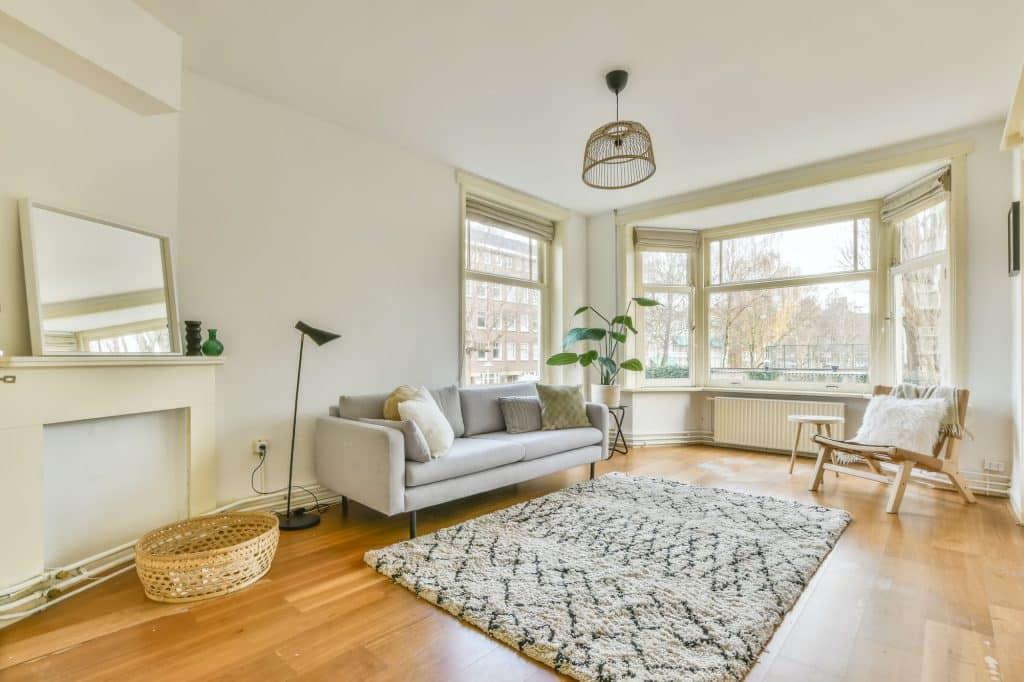
Choosing the right size for a throw rug is crucial for achieving a balanced look in the living room. A rug that’s too small can make the room appear disjointed, while an oversized rug may overwhelm the space. As a general rule, the rug should be large enough to at least accommodate the front legs of all the furniture in the seating area. This creates a sense of cohesion and makes the room look well put together.
Placement also plays a significant role in how a rug impacts the room’s aesthetics. In a rectangular living room, aligning the rug with the longer walls can make the space appear larger. For square rooms, placing the rug at an angle can add an interesting dynamic. The key is to experiment with different placements to find what visually pleases the eye and complements the room’s layout.
Color Coordination
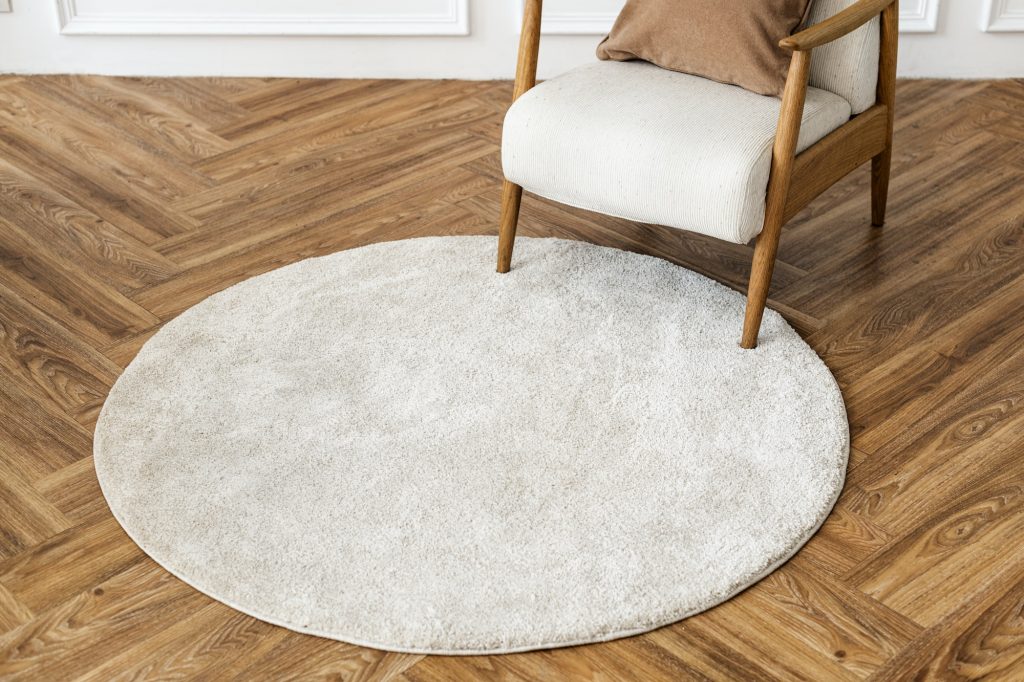
Color is another vital aspect when selecting a throw rug. The right color can either complement the existing décor or serve as a contrasting element that adds vibrancy to the room. Neutral colors like beige, gray, or white are versatile and can easily blend with most color schemes. They are excellent choices for those who prefer a minimalist or subdued look.
For those who wish to make a bold statement, vibrant colors like red, blue, or yellow can add a pop of color and energize the room. However, it’s essential to ensure that the rug’s color doesn’t clash with the existing furniture or wall colors. A good approach is to pick a rug that has at least one color in common with other elements in the room, ensuring a harmonious look.
Pattern Play

Patterns in throw rugs offer an excellent opportunity to inject personality and flair into a living room. From geometric shapes to floral designs and abstract art, the choices are endless. Geometric patterns, for example, can add a modern touch and are often well-suited for contemporary living spaces. Floral designs, on the other hand, can bring a sense of natural beauty and are often associated with traditional or country-style homes.
Abstract patterns offer a middle ground, being versatile enough to fit into various design schemes. These patterns can serve as the focal point of a room or act as a complementary element to existing décor. When choosing a pattern, it’s crucial to consider the overall theme and style of the living room to ensure that the rug enhances rather than clashes with the space.