

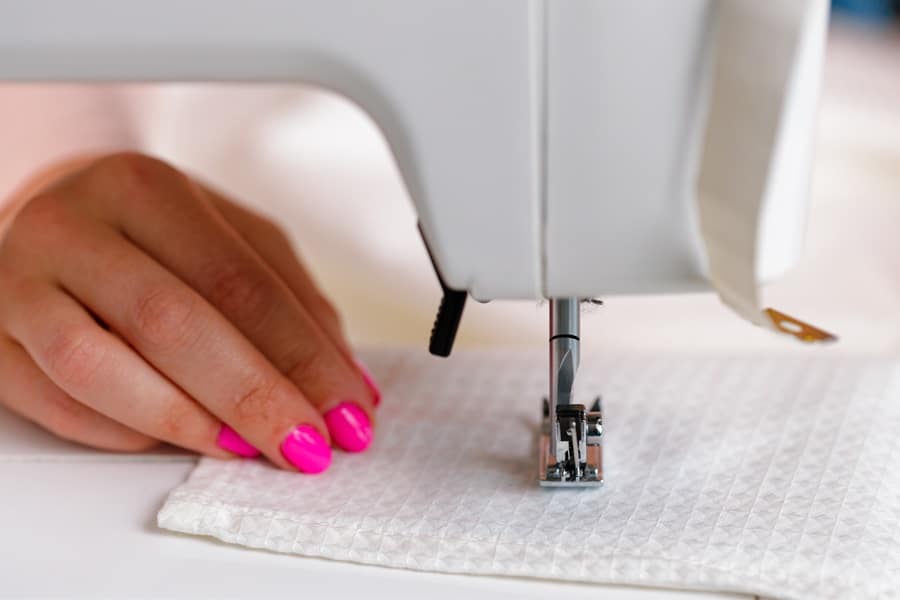
Garden and Garage Utility Uses
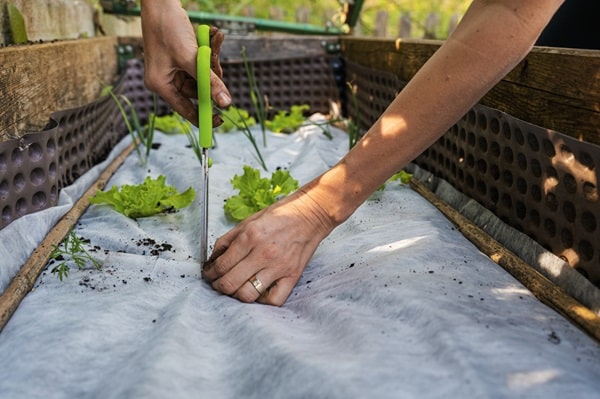
Old towels and linens can be invaluable in the garden or garage, where durability and functionality are essential. These textiles are perfect for wiping off greasy tools, handling hot items, or even polishing car exteriors. Their absorbent nature makes them excellent for soaking up spills or for use as makeshift gloves when dealing with hot or rough materials. This repurposing extends the life of old fabrics and provides practical solutions for everyday tasks in more rugged environments.
Moreover, old towels and linens can protect plants during frosty nights or be used as kneelers to make gardening more comfortable. Their versatility is unmatched, especially in settings where utility is paramount. By transforming these old textiles into tools for the garden and garage, one can significantly reduce waste while ensuring that the fabrics continue to serve useful purposes. This approach saves money and supports sustainable living practices by minimizing the demand for new products.
Seasonal Wrappings and Decorations
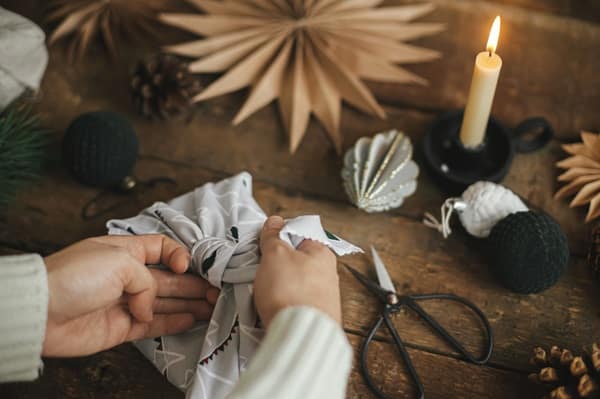
Repurposing old linens as wrapping paper or seasonal decorations is a creative way to reduce waste during festive seasons. Fabric wraps can be reused year after year, offering an eco-friendly alternative to traditional wrapping paper, which often contains non-recyclable materials. Using linens for this purpose adds a personal touch to gift-giving and aligns with sustainable practices. It’s an elegant solution that impresses recipients and promotes environmental consciousness.
Old towels and linens can be transformed into table runners, Christmas stockings, or even festive banners for holiday decorations. With some creativity, these textiles can be decorated with seasonal motifs and colors, enhancing the festive atmosphere in any home. This approach recycles old materials and creates a cozy, personalized holiday setting. It’s a practical way to celebrate while keeping environmental sustainability at the forefront.
DIY Spa Day Essentials
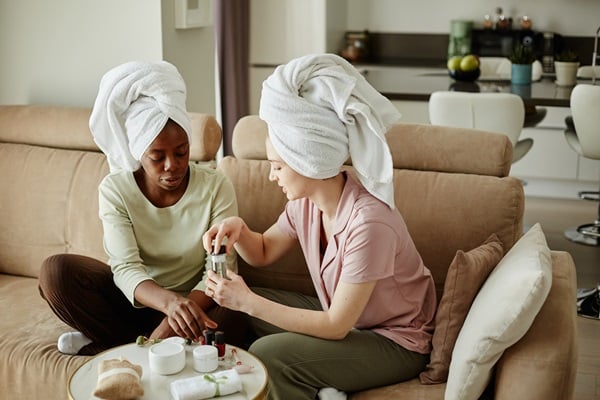
Old towels can be easily converted into various spa essentials, creating a luxurious and relaxing experience at home. By sewing and repurposing towels, one can make hair wraps, face pads, or bath mats that bring the spa ambiance into the bathroom. These items are soft, absorbent, and perfect for a day of pampering. This provides an economical way to enjoy spa-like treatments at home and recycles materials that might otherwise be thrown away.
Crafting these items requires basic sewing skills and can be a delightful project for those interested in DIY activities. Making spa essentials can also be therapeutic, resulting in products that enhance relaxation and self-care. Using old towels not only saves money but also promotes a lifestyle that values sustainability and personal well-being, making it a rewarding endeavor in multiple ways.
Workout Gear Reinventions

Repurposing old towels into workout gear is an innovative way to enhance fitness routines while being environmentally conscious. Towels can be transformed into gym towels, sweatbands, or protective mats for yoga and other exercises. Their absorbent qualities make them ideal for managing sweat during workouts, providing comfort and functionality. This is a practical solution for those looking to make their fitness routine more sustainable.
The transformation process can be customized to fit personal fitness needs. For instance, smaller towels can be turned into hand towels for the gym, while larger ones can serve as mats or protective covers for workout equipment. This approach extends the life of old towels and promotes an environmentally friendly approach to fitness, reducing the need for new products and encouraging the reuse of existing materials.
Crafting A Sustainable Future
In conclusion, repurposing old towels and linens is a testament to creativity and a significant step towards sustainability. Each idea presented in this article demonstrates how easily old textiles can be transformed into useful, stylish, and environmentally friendly items. The possibilities are endless, from enhancing home decor to creating functional items for everyday use. By adopting these practices, individuals can positively impact the environment while adding a personal touch to their homes and lifestyles. Encouraging this kind of creativity and resourcefulness is crucial for building a sustainable future.