
In every modern kitchen, a dishwasher stands as a beacon of convenience and efficiency. This wondrous appliance often seems straightforward, but understanding the proper practices (the do’s) and the missteps to avoid (the don’ts) can significantly increase its effectiveness and lifespan. This article will provide readers with the essential tips for using their dishwasher to ensure spotless dishes.
Contents
Dishwasher Do’s
Here are a few of the essential practices for getting the most out of your dishwasher:
Load Correctly

Proper loading of a dishwasher might seem trivial but it’s a critical aspect that contributes to the optimal cleaning of dishes. Utensils, plates, and glasses should be placed thoughtfully to allow water and detergent to circulate freely. Silverware should be mixed up in the cutlery basket, with some handles facing up and others down, to avoid nesting. Plates are best loaded in the bottom rack, leaning forward, to enable water to slide off.
Large pots, pans, and bowls belong on the lower rack, positioned at an angle for better water reach. Glasses and cups should be placed on the top rack, between the tines, not over them to avoid cracking. For plastic items, the top rack is best as the heating element located beneath the bottom rack can warp them.
Regular Maintenance And Cleaning
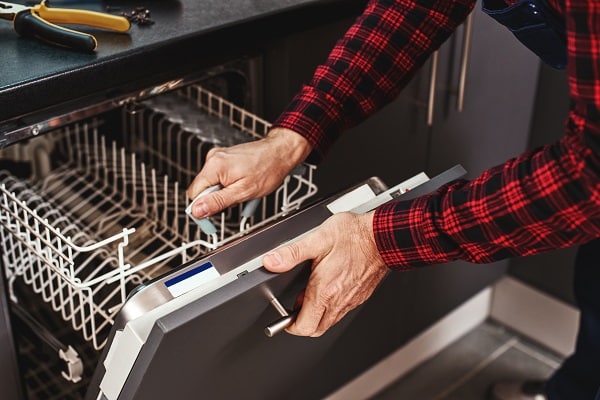
Beyond loading, a dishwasher demands regular maintenance and cleaning to continue its stellar performance. Buildup of food particles, hard water deposits, or grease can hinder the appliance’s efficiency. Running an empty cycle with a dishwasher cleaner every month can help keep the machine spotless and smelling fresh.
In addition, checking and cleaning the filter and spray arms routinely can prevent clogs that reduce cleaning efficiency. Hard water can leave mineral deposits, which can be mitigated by using a water softener. Regular maintenance also helps identify potential issues before they become significant problems.
Use The Correct Detergent

The choice of detergent plays an instrumental role in achieving sparkling clean dishes. It’s essential to choose a detergent specifically designed for dishwashers. Regular dish soap or hand soap can produce too many suds, causing the dishwasher to overflow.
Furthermore, each dishwasher might perform best with a particular type of detergent – tablet, powder, or gel. It’s advisable to check the manufacturer’s recommendation. For hard water, detergents with water softeners can give better results. Remember, too much detergent can leave a residue on dishes, and too little might not clean effectively.
Rinse Cycle Selection

Selecting the appropriate rinse cycle contributes to the efficiency of a dishwasher. Most modern dishwashers offer various cycles to suit different dish loads. A heavy cycle is ideal for pots and pans, while a light cycle works best for glasses and less soiled dishes. Auto or sensor wash can adjust the cycle based on the load’s soil level.
Moreover, some dishwashers offer an eco or energy-saving cycle, which uses less water and energy. It’s perfect for lightly soiled dishes and environmental enthusiasts. Understanding and utilizing these settings can enhance cleaning results and save energy and water.
Dishwasher Don’ts
Here are some tips to keep in mind while using a dishwasher: