
Contents
Running Half Loads

Operating a dishwasher half-loaded is a common pitfall leading to excessive water and energy waste. This appliance consumes the same amount of water and energy, irrespective of a full or half load. Therefore, to optimise resource usage, waiting for a full load before running a cycle is ideal. This practice is not only environmentally friendly but also kind on the pocket, reducing the overall energy and water bills over time.
However, if the situation arises where only a few dishes need to be cleaned immediately, utilising the rinse and hold cycle can be an effective strategy. This specific cycle can prevent food residues from hardening on dishes, without the resource-intensive nature of a complete wash cycle. Hence, in the world of dishwashers, patience often proves to be a virtue, saving both resources and money, while promoting sustainable use of the appliance.
Don’t Ignore Signs Of Malfunction

Keeping an eye out for unusual dishwasher behaviour is key to the appliance’s longevity and effectiveness. Unusual sounds, half-clean dishes, or water failing to drain are all indications of potential issues within the machine. Ignoring these signs can exacerbate the problem, leading to costly repairs or, in severe cases, a need for complete replacement.
Instead of turning a blind eye, addressing the issue promptly can save money and prolong the dishwasher’s life. Professional repair services or manufacturer’s support can be crucial in resolving these issues. A dishwasher in peak running condition not only ensures cleaner dishes but also operates more efficiently, promoting longer-term savings.
Loading Items That Aren’t Dishwasher Safe
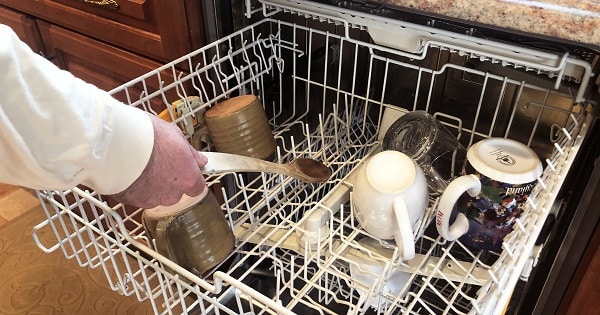
Not all kitchen items are suitable for dishwasher cleaning. Certain items can cause damage to the dishwasher, to themselves, or to both if loaded improperly. Items such as wooden utensils, non-stick pots and pans, crystal glassware, and many plastic items can get damaged in the intensive environment of a dishwasher.
Before loading the dishwasher indiscriminately, it’s prudent to verify whether the items are dishwasher safe. This information is typically found on the bottom of the item or in the product manual. Proper consideration prevents damage and maintains the integrity of both the dishwasher and the dishes.
However, it’s important to note that dishwashers are designed to simplify cleaning, but they are not suitable for every type of kitchenware. Keeping this in mind, checking the dishwasher compatibility of an item before loading can save a lot of heartache down the line.
Pre-Rinsing

Contrary to popular belief, dishes do not necessarily need to be pre-rinsed before loading them into the dishwasher. Pre-rinsing often leads to unnecessary water waste and may even reduce the cleaning effectiveness of the dishwasher. Modern dishwashers are designed to handle food residues, making this pre-rinsing practice redundant.
Instead of indulging in this unnecessary step, a simple scrape-off of large food pieces from the dishes before loading them would suffice. Modern dishwashers are equipped to handle the rest, breaking down and washing away residual food particles with ease. So, let the appliance do the job it was designed to do, and save both water and time in the process. This change in routine might seem minor but can have a significant impact in terms of water conservation and efficiency of the dish cleaning process.
Conclusion
In conclusion, understanding the do’s and don’ts of dishwasher usage can enhance the performance and lifespan of this valuable appliance. Proper practices contribute to cleaner dishes, efficient operation, and long-term cost savings. Avoiding missteps helps to avert damage, inefficiency, and unnecessary repairs. Treating the dishwasher right allows it to return the favor with years of clean, sparkling dishes.