


How To Make A Basic DIY Fly Trap

Creating a simple, effective fly trap can be achieved in a few steps. The first step is to cut the top of the plastic bottle off and invert it into the bottom half, creating a funnel-like structure. Next, you need to prepare your bait. A mixture of vinegar, sugar, and pieces of fruit can be used for a fruit fly trap. For common houseflies, meat or fish scraps can be more effective.
Once your bait is prepared, pour it into the bottom half of your bottle. Finally, tape the inverted top half into the bottom to complete the trap. Place the trap in an area where flies frequently gather. It should be checked and replaced regularly to maximize the trap’s effectiveness. Over time, the bait will lose potency, or the trap may become filled with flies.
Upgrading Your DIY Fly Trap
After you’ve mastered the basic fly trap, there are a number of ways you can upgrade. One of the most effective upgrades is the addition of dish soap to your bait mixture. The soap reduces the water’s surface tension, causing flies to sink and drown when they come to investigate the bait. Furthermore, consider the placement of your trap. Sometimes, a simple upgrade can be as easy as moving your trap to a high-fly-traffic area.
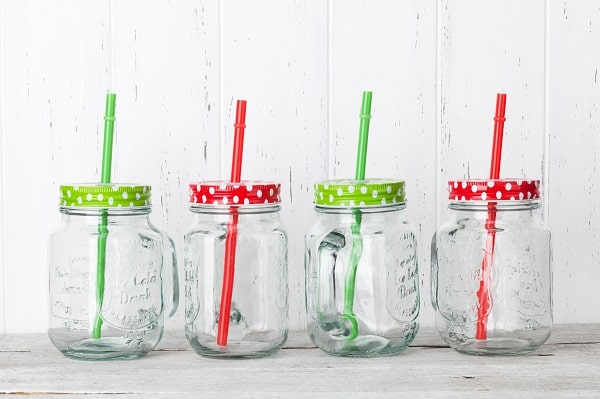
DIY fly traps don’t have to be eyesores in your home or backyard. There are countless creative ideas for blending your traps with your home decor. For example, use a decorative mason jar instead of a plastic bottle or paint your trap to match your home color scheme. A simple internet search can provide numerous aesthetic yet effective fly trap designs.
Maintaining Your DIY Fly Trap

Maintaining your fly trap involves regularly checking, cleaning, and replacing the bait. A neglected fly trap can become a source of foul odor and potentially attract more flies rather than trapping them. If your trap is filling up quickly, replacing the bait more frequently or even setting up additional traps might be a good idea.
Don’t be discouraged if your DIY fly trap isn’t catching as many flies as you’d like. It could be a simple matter of adjusting the bait type, the trap’s placement, or even the trap’s design. Persistence and experimentation are key to finding the most effective solution.
Risks And Precautions When Using DIY Fly Traps

While DIY fly traps are generally safe, certain precautions must be taken. The bait used in fly traps, particularly when using food scraps or other organic materials, can spoil and cause unpleasant odors if not properly managed. Additionally, the trap should be placed out of reach of children and pets to avoid any accidental ingestion or contact with the bait.
Dispose of used traps and bait responsibly, preferably in a sealed bag in your garbage bin. It’s also advisable to wash your hands thoroughly after handling the traps. Safety always comes first, even when dealing with something as small and seemingly insignificant as flies.
The Bottom Line
Fly traps don’t need to be costly or complicated. Anyone can create an effective DIY fly trap with a little creativity, some household items, and an understanding of what attracts these pests. It’s a cost-saving and environmentally friendly solution and a fulfilling task. It encourages us to actively participate in problem-solving, leading to a fly-free home. Why not make your traps and share your experiences? Your story might be the fly-fighting inspiration someone else needs.