Contents
Preparing The Solution
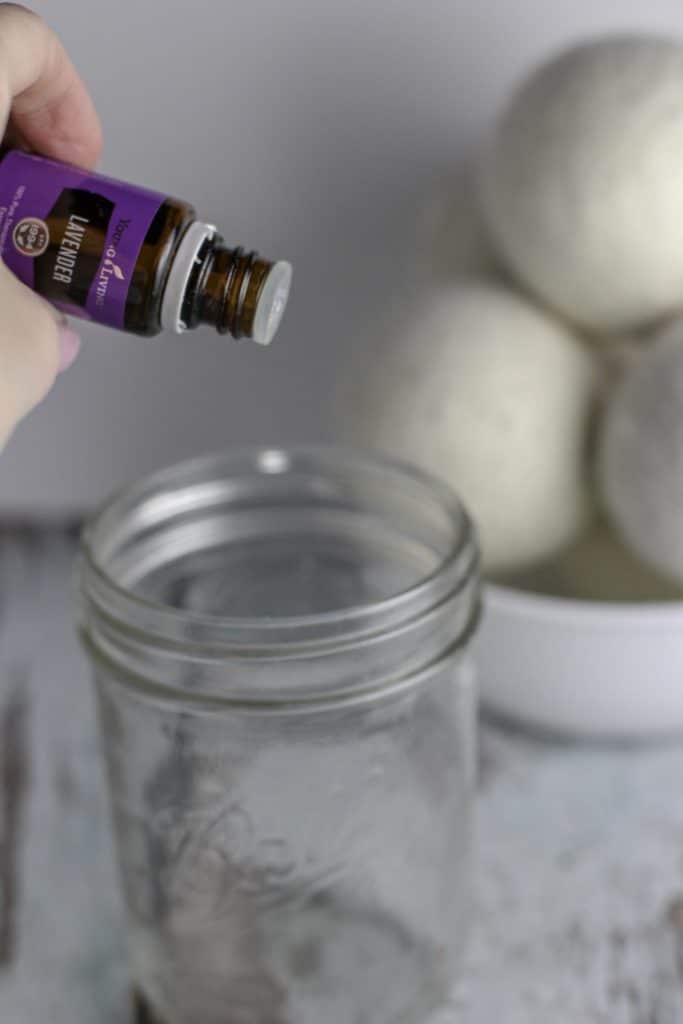
Once you’ve gathered all your materials, it’s time to prepare the solution. In a large bowl, combine equal parts water and vinegar, then add 10-20 drops of your chosen essential oils. Remember, the vinegar smell will evaporate during the drying process, leaving behind only the fragrance of the essential oils.
Mix the solution well to ensure the essential oils are thoroughly dispersed. Handle the solution carefully, as vinegar can be strong and essential oils potent. Avoid direct contact with eyes or skin. If you have a leftover solution, store it in an airtight container in a cool, dark place.
Soaking the Fabric

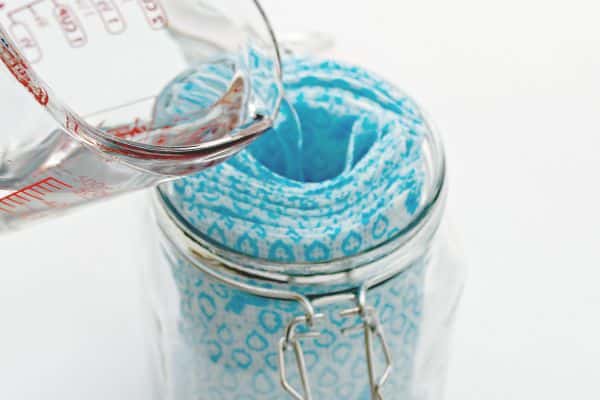
The next step is to soak the fabric in the solution. Ensure each piece is fully saturated, then squeeze out the excess so the fabric is damp but not dripping. Be gentle to avoid damaging the fabric.
Once all the fabric pieces are soaked and squeezed out, it’s time to dry them. You can either air dry them or put them in the dryer. If you air dry them, ensure they are fully dry before use or storage to prevent mildew growth.
Storing Your Dryer Sheets
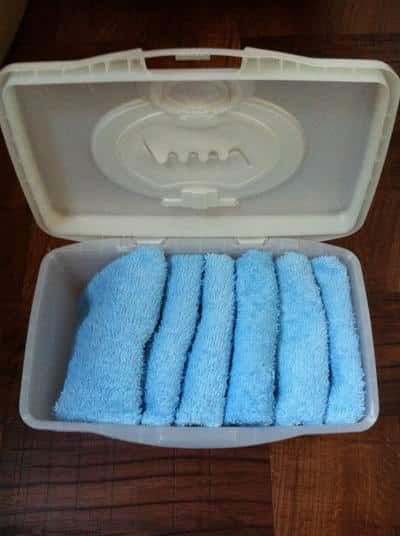
Storing your homemade dryer sheets is simple. Once they’re fully dried, place them in an airtight container. You can use any container, but glass or plastic with a good seal works best. Ensure your dryer sheets are completely dry before storing them to prevent mold and mildew.
If you want your sheets to have a strong scent, add a few extra drops of essential oil to the container. Be aware that the scent may fade over time, so you might need to refresh the oils occasionally.
Using Your Dryer Sheets

Using your homemade dryer sheets is just like using store-bought ones. Simply toss one or two into your dryer with your wet laundry and run the dryer as usual. The number of sheets you use depends on the load size and your scent preference.
After drying, your clothes should come out soft, static-free, and smell great! As for the used sheets, you can either discard them or, better yet, wash them and reuse them for the next batch of solution.
Troubleshooting Common Issues
Even with the best instructions, you might encounter a few issues with your homemade dryer sheets. For example, if your clothes don’t smell as you’d like, you might need to add essential oil to the solution. If static is a problem, try increasing the vinegar ratio.
Sometimes, your dryer sheets might not be soaking up enough solution. Try a different fabric or cut your sheets into smaller pieces if this happens. Remember, homemade dryer sheets may not behave exactly like store-bought ones, but with a little trial and error, you’ll find what works best.
Customizing Your Dryer Sheets

One of the best parts about homemade dryer sheets is the ability to customize them to your liking. For instance, you can experiment with different scent combinations for various seasons or moods. Imagine a refreshing citrus blend for summer or a cozy cinnamon-vanilla combo for fall!
Aside from personal use, these custom dryer sheets make excellent gifts. For a thoughtful, eco-friendly present, package up a set of sheets in a reusable glass jar with instructions. This is a great way to share your DIY project and inspire others to try it themselves.
The Bottom Line
Creating homemade dryer sheets is fun, cost-effective, and eco-friendly. Not only do you get to control what goes into your product, but you also have the freedom to customize it to your preferences. Plus, by reusing fabric and choosing natural ingredients, you’re making a choice that’s good for your skin, pocket, and the planet. So why not give it a try? Don’t forget to share your experiences and creations with us. Happy DIY-ing!