
Household appliances play a crucial role in everyday comfort and convenience, yet they often malfunction at the most inopportune times. While some issues may appear daunting, many can be resolved with simple, do-it-yourself solutions. This post explores easy fixes for the most common appliance problems, helping you save money and avoid the hassle of professional repairs. From leaky dishwashers to clogged washing machine drains, you’ll learn how to tackle these problems quickly and efficiently, ensuring your home appliances run smoothly with minimal effort.
Contents
Fixing a Leaky Dishwasher

If you find your dishwasher leaking, the first step is to check the connections. Ensure the hose connections are tight and secure; sometimes, a simple tightening can solve the problem. Look at the inlet and drain hoses—loose or worn-out hoses are often culprits of leaks. If everything seems tight, the issue might lie with the washers within the connections, which can degrade over time and may need replacement.
Another common cause of dishwasher leaks is a damaged door seal. Over time, the rubber seal around the door can wear out or become brittle, breaking the watertight seal necessary to keep water inside. Inspect the seal for any signs of damage, such as cracks or gaps. If you notice any deterioration, replacing the door seal is straightforward and can usually be done without professional help, restoring the leak-proof integrity of your dishwasher.
Unclogging a Washing Machine Drain
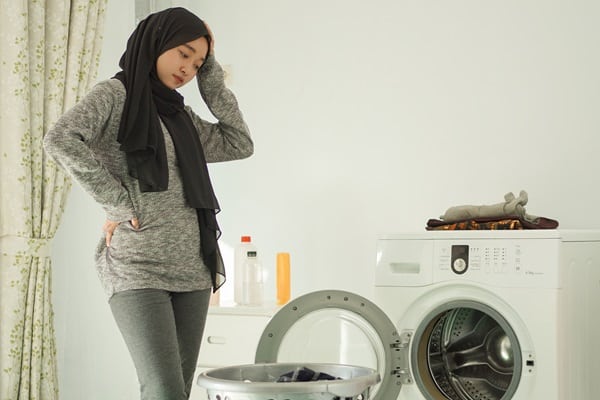
A clogged washing machine drain can cause water to back up, potentially leading to a messy overflow. Before calling a plumber, try using a plumber’s snake to gently remove any obstructions in the drain pipe. Insert the snake into the drain and rotate it to catch and pull out debris like lint or small clothing items that could be causing the blockage. This simple tool is inexpensive and can be a first line of defense against drain issues.
For preventive maintenance, regularly check the drain for buildup and clear out debris before it becomes a problem. Additionally, using less detergent can help prevent soap buildup in the pipes. If the clog persists after you’ve tried snaking the drain, the blockage might be deeper in the plumbing system, and a deeper cleaning solution or professional might be required. However, regular care can keep major clogs at bay.
Solving Refrigerator Cooling Issues
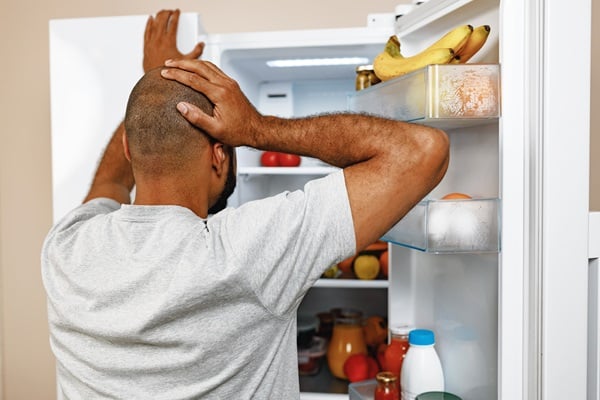
When your refrigerator isn’t cooling properly, it’s essential to check the most straightforward solutions first. Begin by ensuring that the temperature settings haven’t been accidentally changed. Sometimes, the dials can be bumped, setting the temperature higher than ideal. Next, check to see if the refrigerator is overly packed; poor air circulation can hinder cooling efficiency, so rearrange items to allow for better airflow.
Condenser coils, crucial for dissipating heat, can also impede your refrigerator’s performance if they become covered in dust and pet hair. Located at the back or beneath the appliance, these coils should be cleaned every six months using a vacuum or a special brush. Regular cleaning not only improves efficiency but also extends the life of your refrigerator by ensuring it doesn’t have to work harder than necessary to keep your food cold.
Clearing Microwave Oven Errors
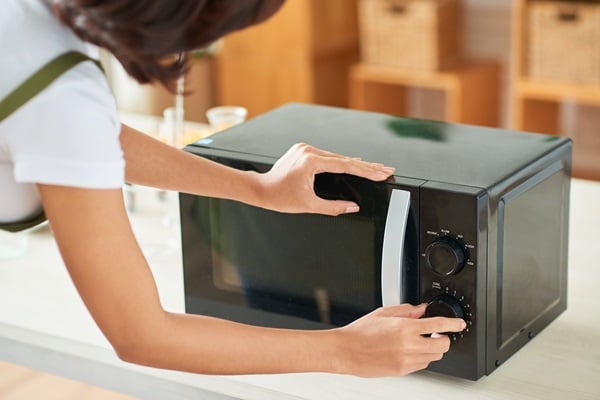
Microwave ovens can display error codes or simply stop working efficiently when they need a bit of attention. First, try unplugging the microwave for about a minute and then plugging it back in. This can reset the appliance’s system and clear any temporary glitches that might be affecting its performance. Often, this simple step is all that’s needed to restore function.
If errors persist, the problem could be related to cleanliness. Food splatters and built-up grease inside your microwave can absorb energy, reducing its efficiency and leading to mechanical problems. Regular cleaning with a damp cloth and mild detergent will not only keep your microwave hygienic but also ensure it operates at peak efficiency. For persistent issues, check the door seal and hinges for any damage that could prevent the microwave from operating safely and effectively.